Category: Heritage

  • Places to Visit in Chittorgarh — Top Attractions & Travel Guide

    Places to Visit in Chittorgarh — Top Attractions & Travel Guide

    Chittorgarh, the land of valor and sacrifice, stands as one of Rajasthan’s most iconic destinations. Known for its mighty fortresses, heroic tales of Rajputana pride, and architectural grandeur, Chittorgarh is a living museum of Indian history.
    If you’re planning a trip, this detailed guide by India Darpan lists the must-visit places in Chittorgarh, complete with travel tips, timings, and hidden gems to help you make the most of your journey.

    Chittorgarh Fort — The Pride of Rajasthan

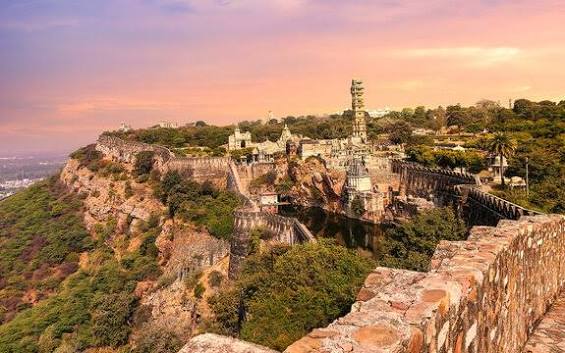
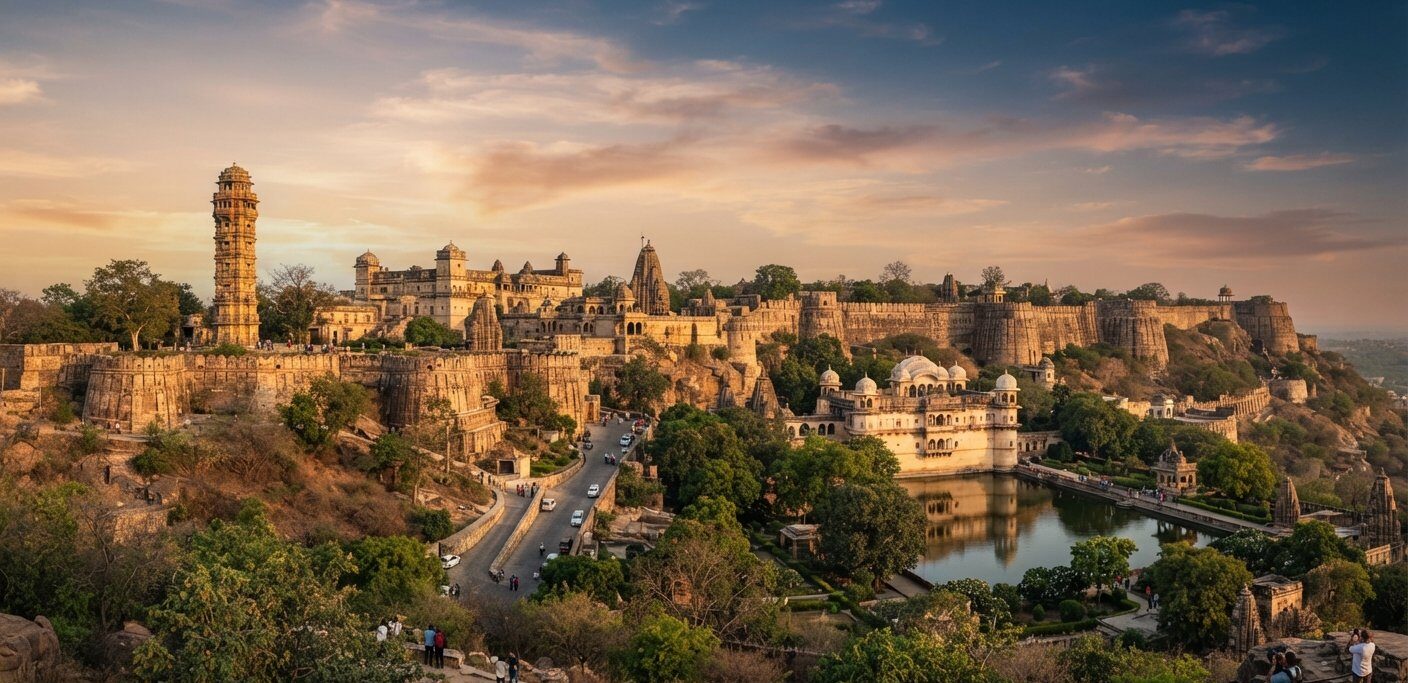
    Perched majestically atop a 590-foot hill and spread across 700 acres, Chittorgarh Fort is the largest fort in India and a UNESCO World Heritage Site. This colossal fortress narrates stories of courage, devotion, and sacrifice from the Rajput era.

    Main Attractions within the Fort:

    • Vijay Stambh (Tower of Victory)
    • Kirti Stambh (Tower of Fame)
    • Rana Kumbha Palace
    • Padmini Palace
    • Meera Temple
    • Kalika Mata Temple
    • Gau Mukh Kund

    Timings: 9:00 AM – 6:00 PM
    Entry Fee: ₹50 (Indian nationals), ₹200 (foreigners)
    Tip: Visit early morning or around sunset for breathtaking panoramic views

    Vijay Stambh — The Tower of Victory
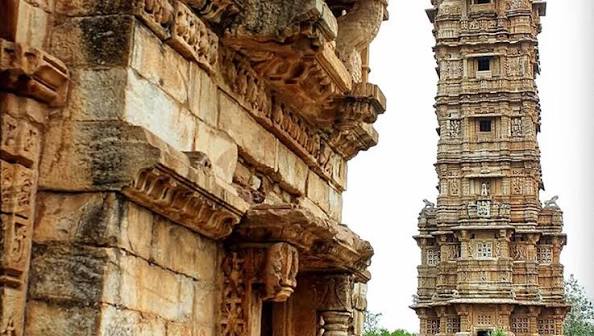
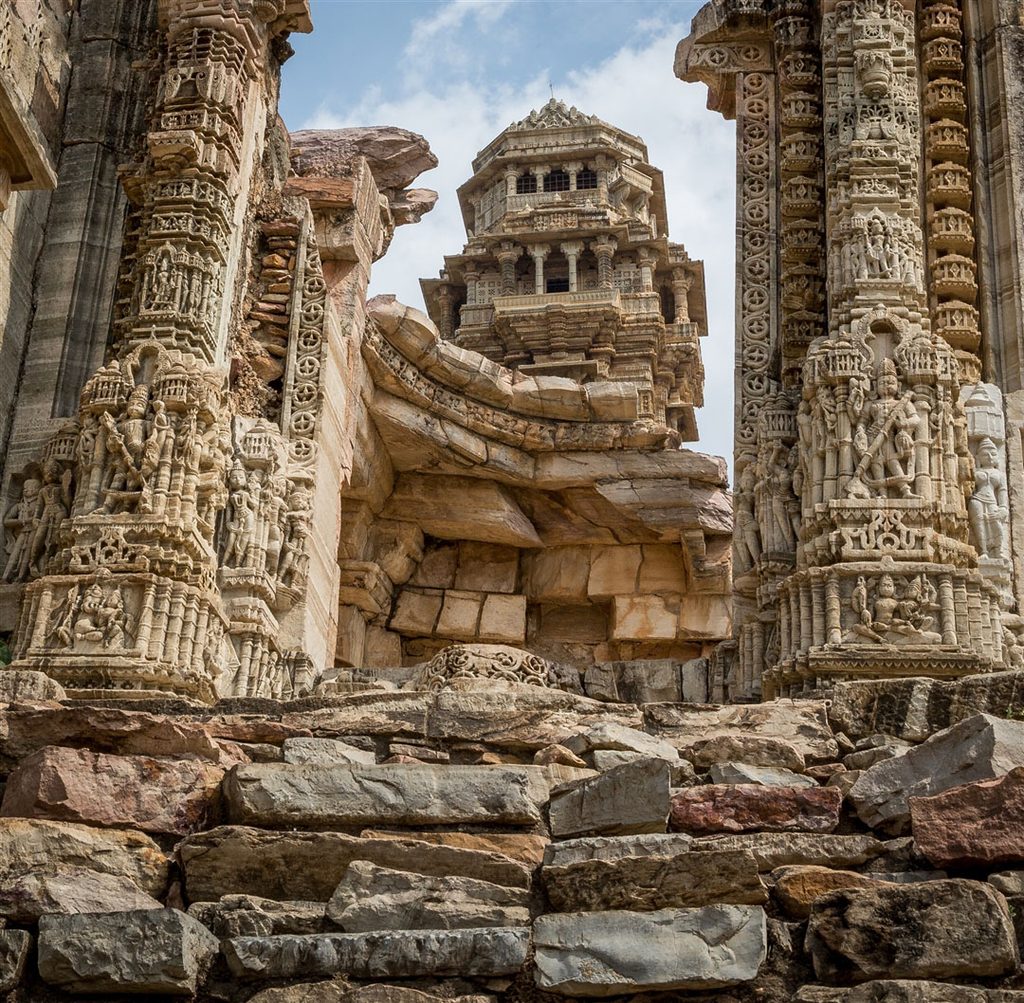
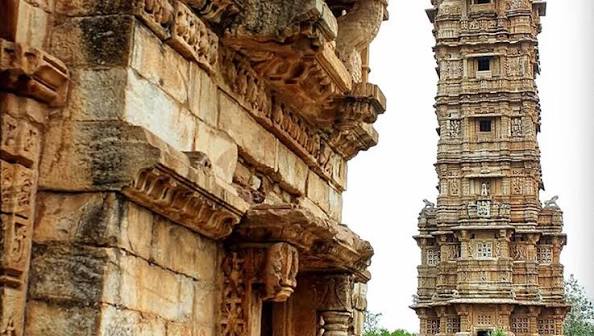
    Built by Maharana Kumbha in the 15th century to commemorate his victory over Mahmud Khilji, Vijay Stambh stands as a proud symbol of Chittorgarh’s heroism. The intricately carved nine-story tower offers an incredible bird’s-eye view of the fort and city.

    Highlights: Carvings depict Hindu deities and battle scenes.
    Tip: Climb up just before sunset for the best photography light.

    157 feet tall, with 157 steps leading to the top.Vijay Stambha

    Kirti Stambh — Tower of Fame
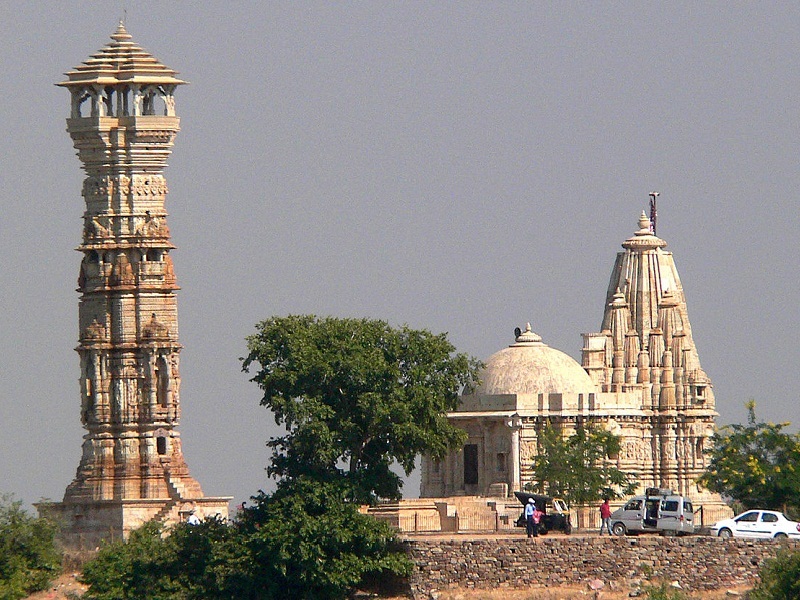
    Smaller but older than Vijay Stambh, the Kirti Stambh was built by a Jain merchant in honor of Adinath, the first Tirthankara. Its Jain-style carvings and peaceful surroundings make it a favorite among spiritual travelers.

    Timings: 9:00 AM – 6:00 PM
    Entry: Included with fort ticket
    Best for: Jain pilgrims and lovers of ancient architecture.

    Rana Kumbha Palace — The Royal Residence
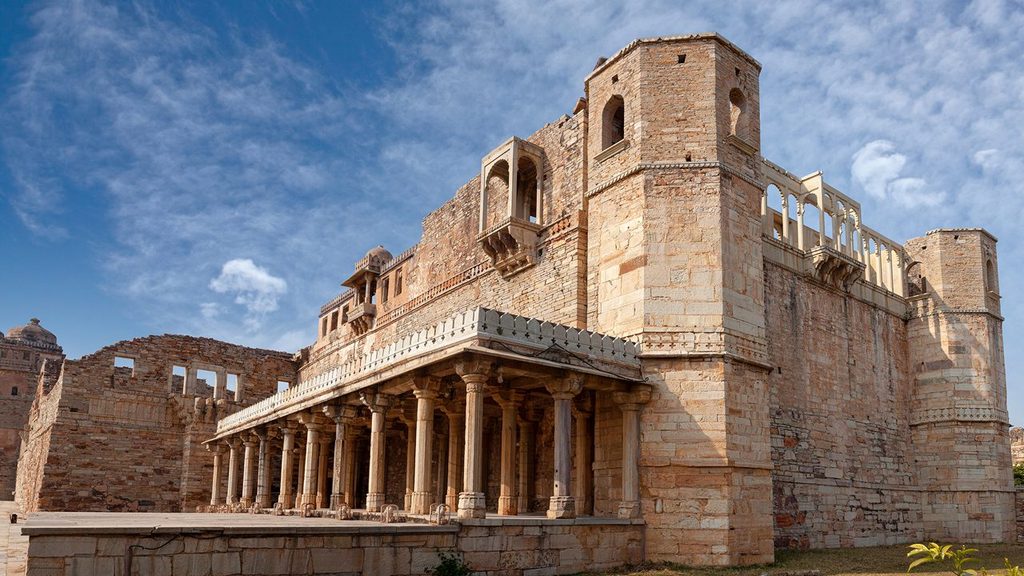
    Once the grand residence of Mewar’s rulers, Rana Kumbha Palace now stands as an evocative ruin whispering tales of royal glory and tragedy. It was here that Rani Padmini and hundreds of Rajput women performed Jauhar to protect their honor.

    Don’t Miss: The ruins’ golden hue during sunrise — a photographer’s delight.

    Secret chambers and underground passages.

    Padmini Palace — The Legend of Rani Padmini
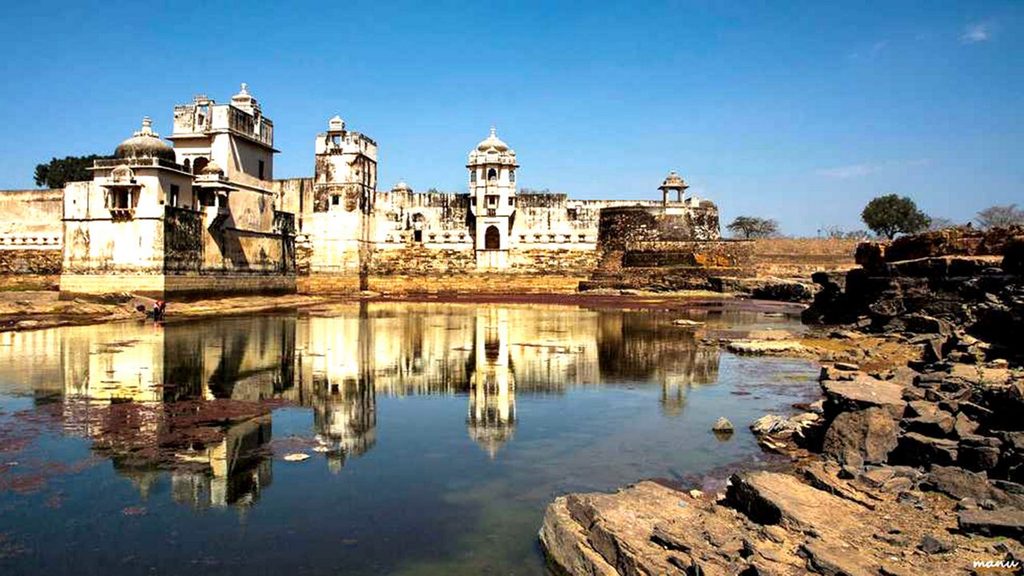
    Located inside the fort, Padmini Palace is surrounded by a tranquil lotus pool that beautifully reflects its structure. This was once the royal residence of Queen Padmini, whose courage and sacrifice are etched into Chittorgarh’s legacy.

    Legend says: Alauddin Khilji’s desire to see Rani Padmini led to one of the most tragic battles in Indian history.

    Tip: The palace looks stunning in the early morning light when reflections shimmer on the water.

    Meera Temple — The Symbol of Devotion
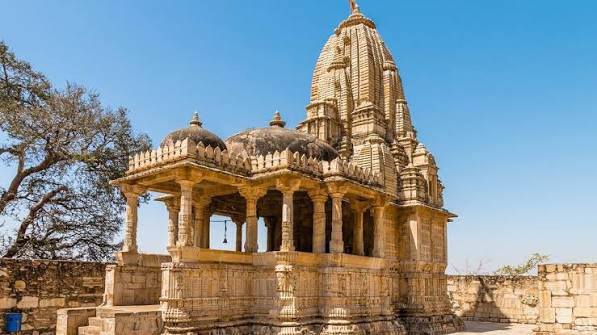
    Dedicated to the poet-saint Meera Bai, the Meera Temple is an essential stop for devotees and lovers of bhakti poetry. The temple’s intricate carvings and calm ambiance provide a serene experience within the fort.

    Don’t Miss:
    The statue of Meera Bai worshipping Lord Krishna and her beautifully inscribed verses.


    Kalika Mata Temple — The Goddess of Power
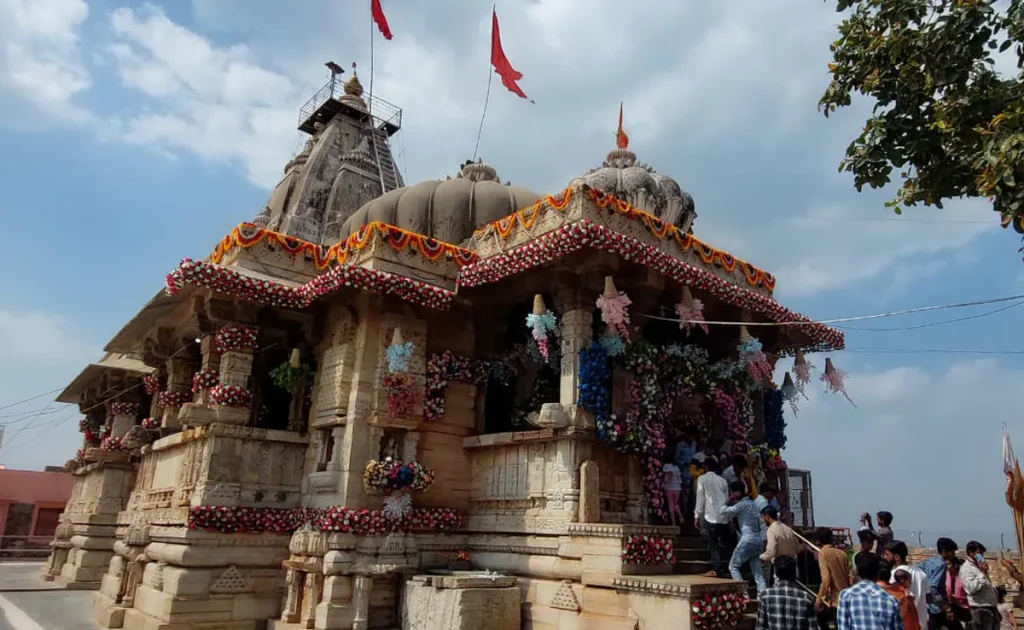
    Originally built as a Sun Temple in the 8th century and later converted into a shrine for Goddess Kali, Kalika Mata Temple is one of Chittorgarh’s oldest structures. The temple is especially vibrant during Navratri festivals.

    Tip: Visit during evening aarti for a spiritual experience and scenic sunset backdrop.

    Gau Mukh Kund — The Sacred Reservoir
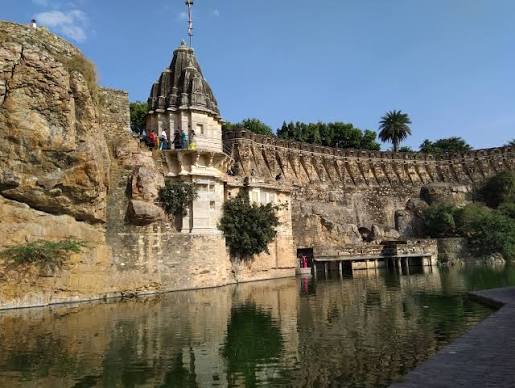
    The Gau Mukh Kund, or “Cow’s Mouth Spring,” is a natural water reservoir inside the fort complex. Legend says the water flows eternally from a stone cow’s mouth, symbolizing purity and faith. Pilgrims often feed fish here as an offering.

    Photography Tip: Capture reflections of the fort walls in the calm waters of the kund.

    Other Nearby Attractions

    Apart from the main fort complex, don’t miss these nearby gems:

    • Sitamata Wildlife Sanctuary (60 km): Great for nature lovers.
    • Menal Waterfalls (90 km): Ideal for a day trip.
    • Nagari: An ancient archaeological site near Chittorgarh.

    Best Time to Visit Chittorgarh

    October to February is the best season — the weather is cool, and the fort can be explored comfortably.
    Avoid May–July due to high heat.

    Special Event: The annual Jauhar Mela held at Chittorgarh Fort celebrates Rajput bravery and attracts thousands of visitors.

    How to Reach Chittorgarh

    • By Air: The nearest airport is Maharana Pratap Airport (Udaipur), about 90 km away.
    • By Train: Chittorgarh Junction is well-connected to Jaipur, Delhi, and Udaipur.
    • By Road: Regular buses and taxis connect Chittorgarh to all major Rajasthan cities.

    Tip: A 2-day trip is ideal to explore the fort and nearby temples comfortably.

    FAQs About Visiting Chittorgarh

    Q1. What are the top places to visit in Chittorgarh?
    Chittorgarh Fort, Vijay Stambh, Padmini Palace, Meera Temple, Kalika Mata Temple, and Gau Mukh Kund.

    Q2. What are Chittorgarh Fort timings and entry fees?
    Open daily from 9 AM to 6 PM; ₹50 for Indian visitors, ₹200 for foreigners.

    Q3. How much time do you need to explore Chittorgarh Fort?
    At least 3–4 hours for major attractions; 1 full day for detailed exploration.

    Q4. When is the best time to visit Chittorgarh?
    October to February, during the cool winter season.

    Q5. Is there a light and sound show at the fort?
    Yes, every evening at the Kumbha Palace complex (timings vary by season).

    Final Thoughts

    Chittorgarh is not just a historical site — it’s an emotion. Every stone, every tower, and every palace here tells a tale of bravery, love, and sacrifice. Whether you’re a history buff, a photographer, or a spiritual traveler, Chittorgarh promises an unforgettable journey into India’s royal past.

    Plan your trip with India Darpan — your trusted travel guide to Rajasthan’s living heritage.
  • What is Chittorgarh Famous For ?

    What is Chittorgarh Famous For ?

    Introduction

    Chittorgarh, a city located in the northwestern state of Rajasthan, India, is a place of immense historical significance and cultural heritage. Often referred to as the “City of Victory” Chittorgarh has left an indelible mark on the pages of Indian history, with its rich tapestry of legends, valor, and architectural marvels. In this article, we will delve into the myriad aspects that make Chittorgarh famous, from its majestic fort to tales of bravery, its remarkable temples, and the vibrant Rajasthani culture that thrives within its walls.

    Chittorgarh Fort: The Jewel of Chittorgarh

    Chittorgarh’s claim to fame begins with its crowning jewel, the Chittorgarh Fort. This massive hill fort is the largest in India and one of the grandest in Asia. Spanning over 700 acres, the fort is a UNESCO World Heritage Site, celebrated for its architectural brilliance and historical importance. It’s a testament to the military prowess and strategic significance of Chittorgarh in the annals of Rajputana history.

    The fort is encircled by a 13-kilometer-long wall that envelopes the hilly terrain, and it is replete with palaces, temples, reservoirs, and intricate architecture. The various structures within the fort, including the Rana Kumbha Palace, Padmini Palace, and the Vijay Stambh (Tower of Victory), showcase the artistic and engineering marvels of the bygone era.

    chittorgarh fort

    Tales of Valor: Chittorgarh’s Glorious History

    Chittorgarh has witnessed some of the most iconic tales of bravery in Indian history. The fort’s history is closely intertwined with the valor and sacrifices of the Rajputs, particularly the Sisodia dynasty. Chittorgarh has endured numerous sieges, with the most famous being the siege by Alauddin Khilji in 1303 and the siege by Emperor Akbar in 1567-1568.

    The Siege of Chittorgarh by Alauddin Khilji is particularly renowned for the Jauhar, a mass self-immolation of the Rajput women to protect their honor from the invading army. This poignant event remains etched in the collective memory of India, symbolizing the unyielding courage and pride of the Rajputs.

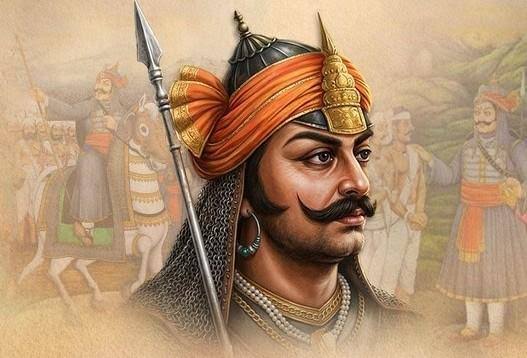
    Chittorgarh’s history also saw the heroic deeds of Rana Pratap Singh, the Mewar king who defied Mughal rule and fought relentlessly to retain his kingdom’s independence. His unwavering spirit is celebrated through various monuments and memorials in Chittorgarh.

    Remarkable Temples of Chittorgarh

    Chittorgarh is not just about its grand fort and historical narratives; it is also known for its splendid temples that hold religious and architectural significance. The city boasts a plethora of temples, each with its unique charm and allure.

    One of the most revered temples in Chittorgarh is the Meera Temple, dedicated to the legendary Rajput princess and saint, Meera Bai. Her devotion to Lord Krishna is celebrated through devotional songs and folklore in this temple.

    meera temple

    The Kalika Mata Temple, dedicated to the Goddess Kalika, is another prominent religious site in Chittorgarh. Its distinct architecture, intricate carvings, and religious fervor make it a must-visit for tourists and pilgrims alike.

    The Kumbha Shyam Temple, built during the reign of Maharana Kumbha, is a marvel of Rajput architecture, characterized by its intricate stone carvings and finely crafted pillars.

    kalika mata temple chittorgarh

    The Iconic Vijay Stambh: Tower of Victory

    Standing tall within the Chittorgarh Fort, the Vijay Stambh, or Tower of Victory, is an architectural masterpiece that commemorates the victory of Rana Kumbha over Mahmud Khilji. This 37.19-meter-high tower is adorned with intricate sculptures and inscriptions, showcasing the rich artistic heritage of the Rajput dynasty.

    The Vijay Stambh is a symbol of Chittorgarh’s resilience and triumph over adversity, making it one of the most photographed and cherished landmarks in Chittorgarh.

    vijay stambh, victory tower

    Festivals and Cultural Vibrancy

    Chittorgarh is not just a city of historical relics; it is also a place where culture thrives. The city comes alive during festivals, with vibrant celebrations that offer a glimpse into the rich Rajasthani heritage.

    One of the most celebrated festivals in Chittorgarh is the Meera Mahotsav, a five-day event dedicated to Meera Bai, where devotees and artists from across the country gather to pay tribute to this legendary saint. The festival is marked by devotional music, dance performances, and a sense of spiritual fervor.

    Holi, the festival of colors, is celebrated with great enthusiasm in Chittorgarh. The city’s streets come alive with vibrant hues, and the revelry is accompanied by traditional Rajasthani folk music and dance.

    The Spirit of Chittorgarh

    Beyond its historical and architectural treasures, Chittorgarh exudes a distinctive spirit that reflects the resilience, pride, and unwavering character of the Rajput community. This spirit is visible in the ethos of the city, its people, and their way of life.

    The local cuisine in Chittorgarh is a reflection of Rajasthan’s rich culinary heritage. Traditional dishes like Dal Baati Churma, Gatte ki Sabzi, offer a delectable taste of Rajasthani flavors.

    The traditional attire of Chittorgarh is equally captivating. The women don vibrant, colorful sarees with intricate embroidery, while the men often wear turbans and dhotis. These traditional outfits add to the city’s cultural charm and are often donned during local festivities and special occasions.

    Daal baati churma

    Tourism and Preservation Efforts

    Chittorgarh’s historical significance and architectural marvels have made it a sought-after destination for tourists and history enthusiasts. However, preserving these invaluable monuments is an ongoing challenge.

    Efforts have been made by the government and various heritage conservation organizations to ensure the maintenance and restoration of the Chittorgarh Fort and its structures. Initiatives like proper signage, guided tours, and infrastructure development have made it more accessible to visitors while safeguarding its historical importance.

    Conclusion

    Chittorgarh’s fame transcends its physical boundaries. It is not merely a city; it’s a living testament to the valor and culture of Rajasthan. The Chittorgarh Fort, the tales of bravery, remarkable temples, and the city’s vibrant culture together form the bedrock of its reputation. As we explore Chittorgarh’s heritage, we’re reminded of the ageless spirit of a city that has withstood the test of time and continues to be a symbol of pride and glory in the heart of Rajasthan. A visit to Chittorgarh is not just a journey into history but also an immersion into the enduring legacy of Rajasthan’s rich pas

  • चित्तौड़गढ़ का इतिहास

    चित्तौड़गढ़ का इतिहास

    परिचय

    राजस्थान के सांस्कृतिक रूप से जीवंत राज्य के केंद्र में स्थित, चित्तौड़गढ़ भारत के समृद्ध इतिहास की वीरता, रोमांच और भव्यता का एक जीवंत प्रमाण है। यह प्राचीन शहर, जिसे अक्सर चित्तौड़गढ़ या चित्तौड़ कहा जाता है, अपने शानदार किलों, वीरता की पौराणिक कहानियों और सदियों तक फैले इतिहास के लिए जाना जाता है। इस लेख में, हम चित्तौड़गढ़ के प्रारंभिक उद्भव से लेकर आज तक के मनोरम इतिहास का पता लगाने के लिए समय की यात्रा पर निकलेंगे।

    प्राचीन नींव (7वीं शताब्दी ई.पू.)

    चित्तौड़गढ़ का इतिहास 7वीं शताब्दी ईस्वी में खोजा जा सकता है जब इसकी स्थापना मौर्य राजवंश द्वारा की गई थी। इस समय के दौरान, इसे चित्रकुट के नाम से जाना जाता था, जो बाद में अपने वर्तमान नाम चित्तौड़गढ़ में विकसित हुआ। चित्तौड़गढ़ के प्रारंभिक शासकों ने क्षेत्र के सांस्कृतिक और स्थापत्य विकास में योगदान दिया।

    मेवाड़ राजवंश

    शहर की किस्मत 8वीं शताब्दी में बदल गई जब यह मेवाड़ राजवंश की राजधनी बन गई, जिसने चित्तौड़गढ़ की पहचान को आकार देने में महत्वपूर्ण भूमिका निभाई। मेवाड़ राजवंश के तहत, चित्तौड़गढ़ कला, संस्कृति और सैन्य शक्ति के केंद्र के रूप में उभरा। शहर का किला, जिसे चित्तौड़गढ़ किले के नाम से जाना जाता है, राजपूत वीरता का प्रतीक बन गया।

    रानी पद्मिनी की कहानी

    चित्तौड़गढ़ रानी पद्मिनी की पौराणिक कहानी के लिए प्रसिद्ध है। लोकप्रिय लोककथाओं के अनुसार, रानी पद्मिनी एक रानी थीं जो अपनी अद्वितीय सुंदरता के लिए जानी जाती थीं। उनकी कहानी 16वीं शताब्दी में मलिक मुहम्मद जायसी द्वारा लिखित महाकाव्य “पद्मावत” में अमर हो गई। कविता रानी पद्मिनी, राजा रतन सिंह और अलाउद्दीन खिलजी द्वारा चित्तौड़गढ़ की घेराबंदी की कहानी बताती है।

    अलाउद्दीन खिलजी की घेराबंदी

    चित्तौड़गढ़ के इतिहास में सबसे निर्णायक क्षणों में से एक 14वीं शताब्दी में अलाउद्दीन खिलजी द्वारा चित्तौड़गढ़ किले की घेराबंदी थी। घेराबंदी राजपूतों की अटूट भावना और सम्मान के प्रति उनकी प्रतिबद्धता का प्रमाण थी। भारी बाधाओं का सामना करने के बावजूद, राजपूतों ने आत्मसमर्पण करने से इनकार कर दिया और आत्म-बलिदान का रास्ता चुना। “जौहर” की प्रथा, जहाँ महिलाओं और बच्चों ने अपने सम्मान की रक्षा के लिए आत्मदाह कर लिया, राजपूत साहस और बलिदान का प्रतीक बन गई।

    महान राणा प्रताप

    16वीं शताब्दी में चित्तौड़गढ़ के सबसे प्रसिद्ध शासकों में से एक, राणा प्रताप के उदय के साथ इसके इतिहास में एक और महत्वपूर्ण अध्याय दर्ज हुआ। मेवाड़ के 13वें शासक राणा प्रताप ने मुगल साम्राज्य, मुख्य रूप से अकबर के खिलाफ प्रतिरोध का नेतृत्व किया। अपने लोगों के प्रति उनकी अटूट प्रतिबद्धता और चित्तौड़गढ़ को पुनः प्राप्त करने के उनके अथक संघर्ष ने उन्हें इतिहास में राजस्थान के सबसे बहादुर नायकों में से एक के रूप में स्थान दिलाया।

    मुगल प्रभाव

    मुगल काल के दौरान, चित्तौड़गढ़ में कई बदलाव हुए। अंततः अकबर ने शहर पर कब्जा कर लिया और इसे मुगल नियंत्रण में ले लिया। हालाँकि, मुगलों ने राजपूतों की वीरता को पहचाना और उनके साथ सम्मान से व्यवहार किया। चित्तौड़गढ़ क्षेत्र की राजनीति में महत्वपूर्ण भूमिका निभाता रहा।

    ब्रिटिश शासन और स्वतंत्रता के बाद का युग

    मुगल साम्राज्य के पतन के साथ, चित्तौड़गढ़ ब्रिटिश राज के प्रभाव में आ गया। 1947 में भारत को स्वतंत्रता मिलने के बाद, चित्तौड़गढ़ नवगठित भारतीय राज्य राजस्थान का हिस्सा बन गया। आज, यह भारत की समृद्ध सांस्कृतिक विरासत का प्रतीक और एक लोकप्रिय पर्यटन स्थल के रूप में खड़ा है।

    चित्तौड़गढ़ अब

    चित्तौड़गढ़ कई ऐतिहासिक स्थलों और स्मारकों का घर है जो दुनिया भर से पर्यटकों को आकर्षित करते रहते हैं। चित्तौड़गढ़ किला, एक यूनेस्को विश्व धरोहर स्थल, सबसे प्रतिष्ठित स्थलों में से एक बना हुआ है। अपनी जटिल वास्तुकला और ऐतिहासिक महत्व के साथ, यह किला इतिहास में रुचि रखने वालों और पर्यटकों को जरूर देखना चाहिए।

    शहर में राणा कुंभा पैलेस, पद्मिनी पैलेस, मीरा मंदिर और कीर्ति स्तंभ (टॉवर ऑफ फ़ेम) जैसे अन्य उल्लेखनीय आकर्षण भी हैं। इनमें से प्रत्येक स्थल चित्तौड़गढ़ के समृद्ध इतिहास का एक टुकड़ा संरक्षित करता है, जिससे आगंतुकों को अतीत में जाने और शहर की स्थायी विरासत का अनुभव करने की अनुमति मिलती है।

    निष्कर्ष

    चित्तौड़गढ़ का इतिहास वीरता, बलिदान और शाश्वत प्रेम कहानियों के धागों से बुना हुआ एक महाकाव्य है। अपनी साधारण शुरुआत से लेकर राजसी किले तक, जो अभी भी ऊंचा खड़ा है, चित्तौड़गढ़ इतिहास और संस्कृति का खजाना बना हुआ है। यह शहर राजपूतों की स्थायी भावना और भारत की विरासत में उनके उल्लेखनीय योगदान का एक प्रमाण है।

    चूँकि चित्तौड़गढ़ विश्व के कोने-कोने से यात्रियों और इतिहास प्रेमियों को आकर्षित करता रहता है, इसलिए यह युगों-युगों से मानवीय भावना के लचीलेपन और भव्यता का जीवंत प्रमाण बना हुआ है। चाहे आप इतिहास के शौकीन हों, वास्तुकला के प्रेमी हों, या बस एक जिज्ञासु यात्री हों, चित्तौड़गढ़ समय के इतिहास के माध्यम से एक मनोरम यात्रा प्रदान करता है, जो आपको इसके अतीत के गौरवशाली अध्यायों को फिर से जीने की अनुमति देता है।

  • वीरता की विरासत: विजय स्तंभ के निर्माण के पीछे का इतिहास

    वीरता की विरासत: विजय स्तंभ के निर्माण के पीछे का इतिहास

    परिचय

    भारत के जीवंत राज्य राजस्थान में चित्तौड़गढ़ के ऐतिहासिक किले के भीतर स्थित, विजय स्तंभ, या विजय टॉवर, राजपूत वीरता और जीत का एक विशाल प्रमाण है। विजय और गौरव का प्रतीक, यह इमारत न केवल एक महत्वपूर्ण सैन्य सफलता का प्रतीक है, बल्कि मध्ययुगीन भारत की समृद्ध सांस्कृतिक और स्थापत्य विरासत को भी समाहित करती है। यह लेख विजय स्तंभ के इतिहास और महत्व पर प्रकाश डालता है, इसके निर्माण की परिस्थितियों और भारतीय इतिहास की टेपेस्ट्री में इसकी स्थायी विरासत की खोज करता है।


    स्तम्भ की उत्पत्ति

    विजय स्तंभ की उत्पत्ति का पता 15वीं शताब्दी की शुरुआत के उथल-पुथल भरे समय से लगाया जा सकता है, एक समय जब बहादुरी, सम्मान और शौर्य का राजपूत लोकाचार अपने चरम पर था। स्तंभ की कल्पना कला के संरक्षक और एक दुर्जेय योद्धा, महाराणा कुंभा (राणा कुंभा) द्वारा एक स्मारक स्मारक के रूप में की गई थी, जिन्होंने चित्तौड़गढ़ को अपनी राजधानी बनाकर मेवाड़ राज्य पर शासन किया था।

    विजय स्तंभ का निर्माण 1448 में महमूद खिलजी के नेतृत्व में मालवा और गुजरात की संयुक्त सेना पर महाराणा कुंभा की शानदार जीत के बाद शुरू किया गया था। यह जीत केवल एक सैन्य उपलब्धि नहीं थी, बल्कि राजपूताना क्षेत्र के लिए मनोबल बढ़ाने वाली थी, जिससे हमलावर सेनाओं के खिलाफ मेवाड़ की संप्रभुता और लचीलापन मजबूत हुआ।

    वास्तुशिल्प चमत्कार

    विजय स्तंभ का निर्माण विजय के तुरंत बाद शुरू हुआ और इसे पूरा होने में लगभग दस साल लग गए, 1448 में इसका उद्घाटन हुआ। टावर 37.19 मीटर (लगभग 122 फीट) की ऊंचाई तक पहुंचता है और जटिल नक्काशी और शिलालेखों से सजा हुआ है, जो प्रतिबिंबित करता है। उस समय की स्थापत्य और कलात्मक संवेदनाएँ। लाल बलुआ पत्थर और सफेद संगमरमर से निर्मित, नौ मंजिला संरचना में एक जटिल ज्यामितीय योजना है और यह हिंदू देवताओं की बहुतायत से परिपूर्ण है, जो उस युग के गहरे धार्मिक उत्साह को दर्शाती है।

    यह टावर अपनी विस्तृत मूर्तियों के लिए प्रसिद्ध है जो महान महाकाव्यों, रामायण और महाभारत की कहानियों के साथ-साथ विष्णु के विभिन्न अवतारों और अन्य पौराणिक विषयों को चित्रित करती हैं। टावर के अंदर और आसपास के शिलालेख नागरी और फ़ारसी सहित विभिन्न लिपियों में हैं, जो उस काल के विविध सांस्कृतिक प्रभावों को दर्शाते हैं।

    प्रतीकवाद और महत्व

    विजय स्तंभ न केवल एक ऐतिहासिक जीत की भौतिक अभिव्यक्ति के रूप में बल्कि राजपूत गौरव और आध्यात्मिकता के प्रतीक के रूप में भी खड़ा है। टावर की प्रत्येक मंजिल को राज्य के एक अलग पहलू – सैन्य कौशल, धार्मिक पवित्रता और सांस्कृतिक समृद्धि – का प्रतिनिधित्व करने के लिए उद्देश्यपूर्ण ढंग से डिजाइन किया गया था। सबसे ऊपरी मंजिल से चित्तौड़गढ़ का मनोरम दृश्य दिखाई देता है, जो स्थान के रणनीतिक महत्व और इसकी सुरक्षा के लिए आवश्यक सतर्कता की याद दिलाता है।

    टावर आसपास के क्षेत्र पर नजर रखने के लिए एक सुविधाजनक स्थान के रूप में भी काम करता था। शांति के समय में, यह एक शाही कब्रगाह के रूप में कार्य करता था, जिसकी छाया संभवतः ग्रीष्म संक्रांति के समय भीमलत कुंड, एक पवित्र जल निकाय पर पड़ती थी।

    सांस्कृतिक विरासत

    विजय स्तंभ एक स्मारक से कहीं अधिक है; यह राजपूताना संस्कृति की एक स्थायी विरासत है जो दुनिया भर के आगंतुकों को प्रेरित और आश्चर्यचकित करती रहती है। यह राजस्थानी पर्यटन की एक प्रतीकात्मक विशेषता बन गई है, जो राज्य की ऐतिहासिक कथा और स्थापत्य भव्यता को समाहित करती है।

    सदियों से, विक्ट्री टॉवर ने समय की मार, प्राकृतिक आपदाओं और युद्ध की घेराबंदी का सामना किया है। यह राजपूतों के ऐतिहासिक लचीलेपन और विपरीत परिस्थितियों में उनकी अदम्य भावना की दृढ़ याद दिलाता है।

    साहित्य और कला में स्तंभ

    पूरे इतिहास में, विजय स्तंभ की राजस्थानी लोककथाओं, कविता और गाथागीतों में प्रशंसा की गई है। इसे लघु चित्रों से लेकर समकालीन ग्राफिक चित्रणों तक, कला के विभिन्न रूपों में भी चित्रित किया गया है। साहित्य में, यह अक्सर वीरता और रोमांस की कहानियों की पृष्ठभूमि के रूप में कार्य करता है, जो इसके रचनाकारों की वीरता की भावना को प्रतिध्वनित करता है।

    संरक्षण प्रयास

    समय के साथ विजय स्तंभ के संरक्षण का महत्व कम नहीं हुआ है। संरचना और इसकी जटिल कलाकृति को बनाए रखने के लिए संरक्षण के प्रयास जारी हैं। भारतीय पुरातत्व सर्वेक्षण टावर को एक राष्ट्रीय स्मारक के रूप में मान्यता देता है और भावी पीढ़ियों की सराहना के लिए इसकी सुरक्षा और पुनर्स्थापना के लिए कई परियोजनाएं शुरू की हैं।

    निष्कर्ष

    चित्तौड़गढ़ का विजय स्तंभ सिर्फ पत्थर की एक भव्य संरचना नहीं है; यह उस समय के साहस, विश्वास और कलात्मक कौशल का इतिहास है। चूंकि यह चित्तौड़गढ़ के क्षितिज के सामने खड़ा है, यह महाराणा कुंभा की विजय और राजपूतों की अदम्य भावना की कहानी सुनाता रहता है। यह प्रेरणा की किरण, अतीत के गौरव का प्रतीक और कलात्मकता और दूरदर्शिता के लिए एक श्रद्धांजलि के रूप में कार्य करता है