Category: History

  • Famous temples you should visit on your trip to Chittorgarh

    Famous temples you should visit on your trip to Chittorgarh

    Chittorgarh is located at a distance of about 111 kilometers from Udaipur in Rajasthan and is a major center of attraction for tourists visiting here. The history of Chittorgarh, known as the capital of Maharana Pratap, is very strong and beautiful, like its symbol of bravery. The proof of this is found in the Vijay Stambh located here. There are many popular temples of Chittorgarh which attract tourists.

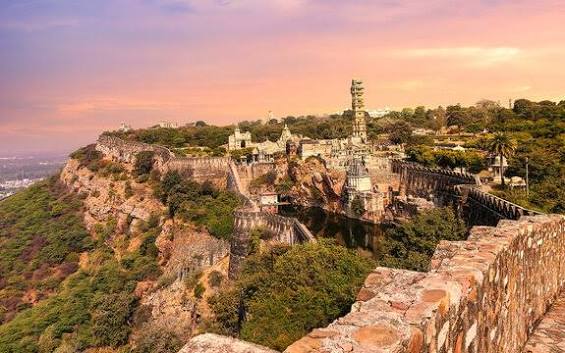
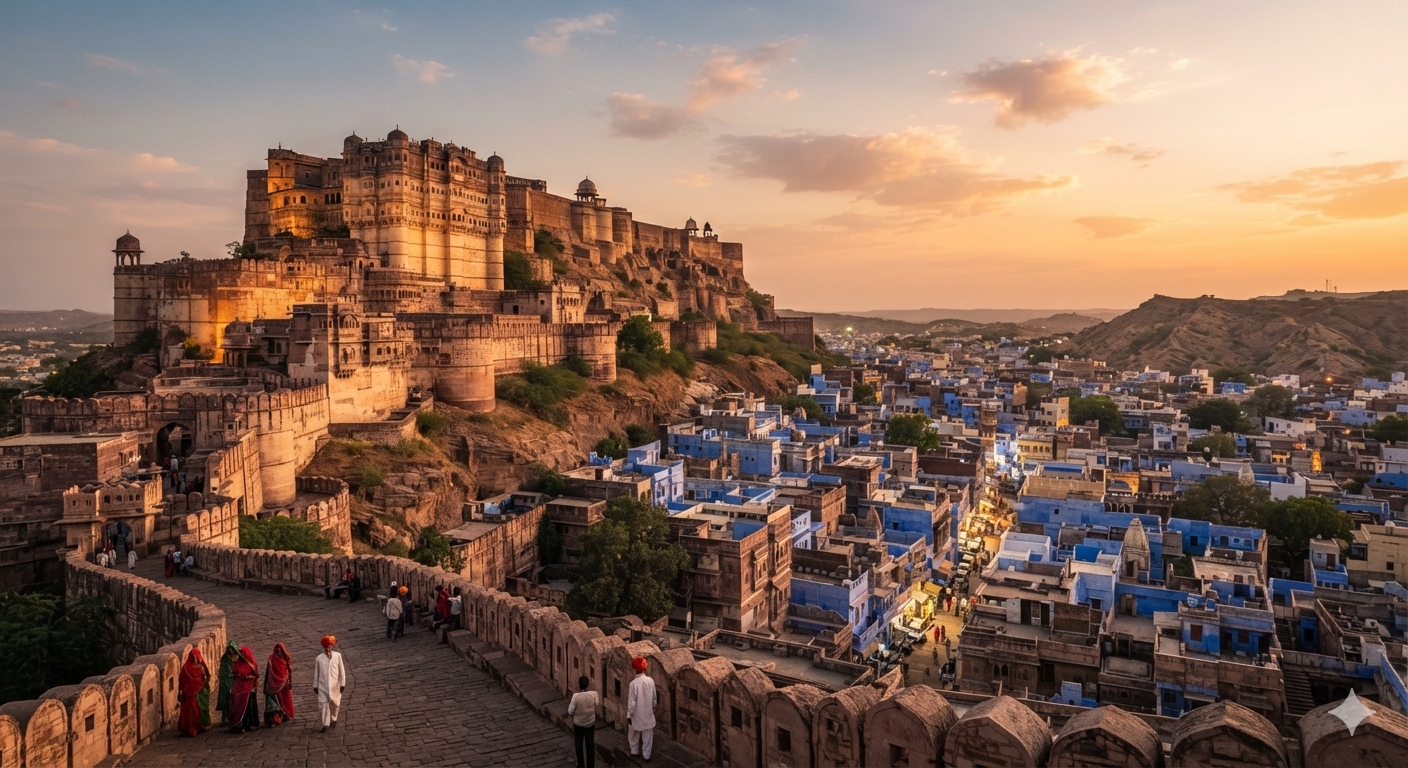
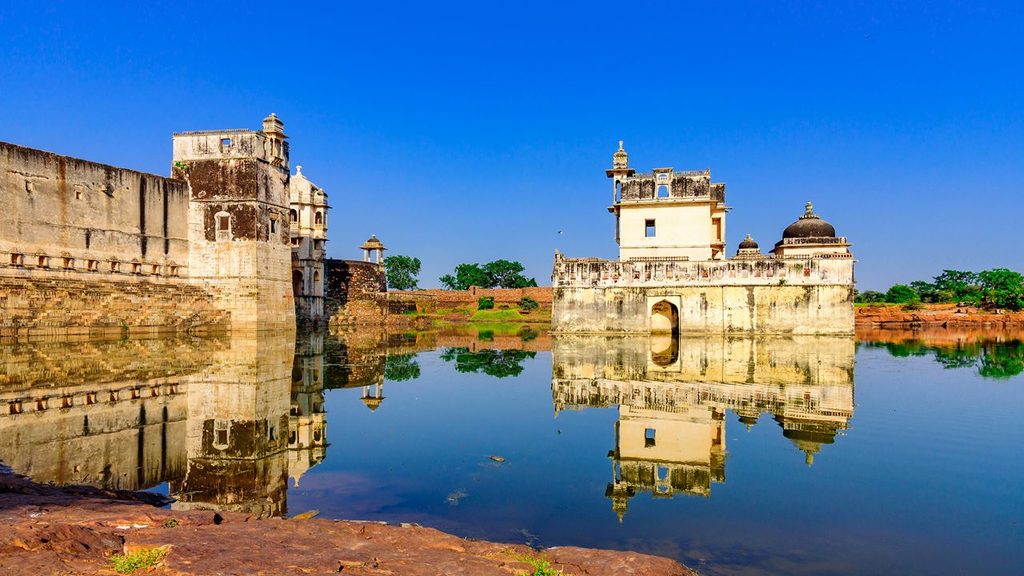
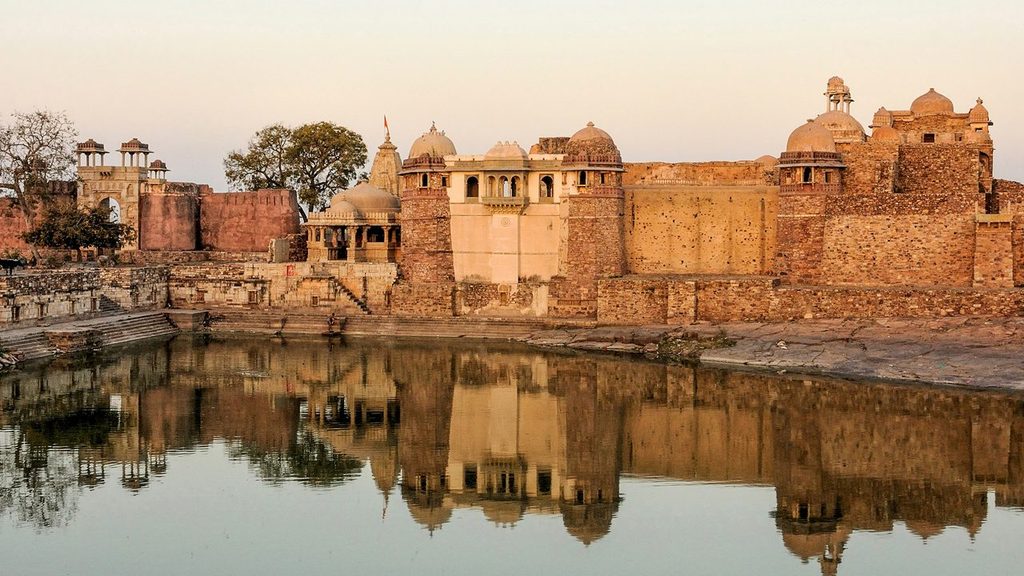
    Chittorgarh still tells its history of sacrifice and bravery because of its ancient monuments, heritage, and monarchy. The main attraction center of this city is the Chittorgarh Fort, which is situated on a 180-meter-high hill. The history of Chittorgarh is witness to many battles. To protect their self-respect, hundreds of women, along with Queen Padmini, have committed Jauhar in this Chittorgarh; hence, it is also called the Fort of Jauhar.

    It is located in Chittorgarh district of Rajasthan state. It was the capital of Mewar in ancient times. Maharana Pratap Singh, the great hero of India, was the king of this place; hence, it is called the Fort of Maharana Pratap. Chittorgarh is spread over an area of about 700 acres, which is famous for its magnificent Fort, temples, forts, and palaces.

    It is remembered in the pages of history for its glorious battles. Chittorgarh is known throughout the country because of its most famous attractions. The Chittorgarh Fort located here is very famous; it is built on a hill and is one of the largest forts in the country.

    Best Time to Visit Chittorgarh

    As you know, Rajasthan is a bit hot, so you should visit here in winter. October to March is a good time to visit.

    How to reach Chittorgarh

    You can first visit Udaipur, and then you can plan for Chittorgarh. To go here, you can go by bus or taxi from Udaipur. Chittorgarh is at a distance of about 111 kilometers (about 2 hours) from Udaipur.

    Book your taxi today from Chittor Darpan.

    How to reach Chittorgarh by flight

    The nearest airport to Chittorgarh is Maharana Pratap Airport in Udaipur. The distance from here to Chittorgarh is about 90 kilometers. You can book a bus or taxi from here and go to Chittorgarh.

    How To Reach Chittorgarh By Road

    Chittorgarh is well connected by wires to major cities of Rajasthan like Jodhpur, Jaipur, Udaipur, etc. Traveling to Chittorgarh by road is a good option for tourists. If you want to go from Ahmedabad to Chittorgarh, then the distance is only 7 hours.

    How To Reach Chittorgarh By Train

    Chittorgarh Junction connects other major cities of India by rail. This railway station is located on the broad gauge line, which is one of the largest railway junctions in South Rajasthan.

    Best Temples of Chittorgarh

    Here, we are explaining some of the best temples of Chittorgarh that you can visit during your next trip to this place.

    1. Kalka Mata Temple of Chittorgarh
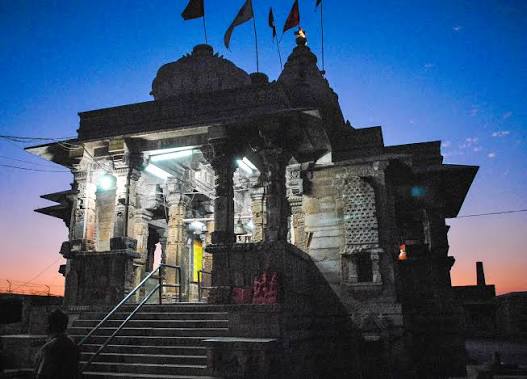
    The temple of Kalka Mata is situated on the left side, north of Padmini Mahal. It is said that the Guhilvansh kings of Mewar built this temple in the 9th century. Mainly, this temple was a Sun temple; later, during the invasion of Muslims, the idol was broken, and this temple remained in ruins for years, after which the idol of Kalika was installed in it. Finally, Maharana Sajjan Singh had renovated this temple. A huge fair is held here every year.

    Location–  Chittorgarh Fort, Chittorgarh, Rajasthan 312001.

    How to Reach– You can book a taxi from Chittorgarh, Udaipur, or you can drive there directly.

    Phone– 0141 237 1141

    Timmings– 6 am – 7 pm.

    2. Meera Temple of Chittorgarh

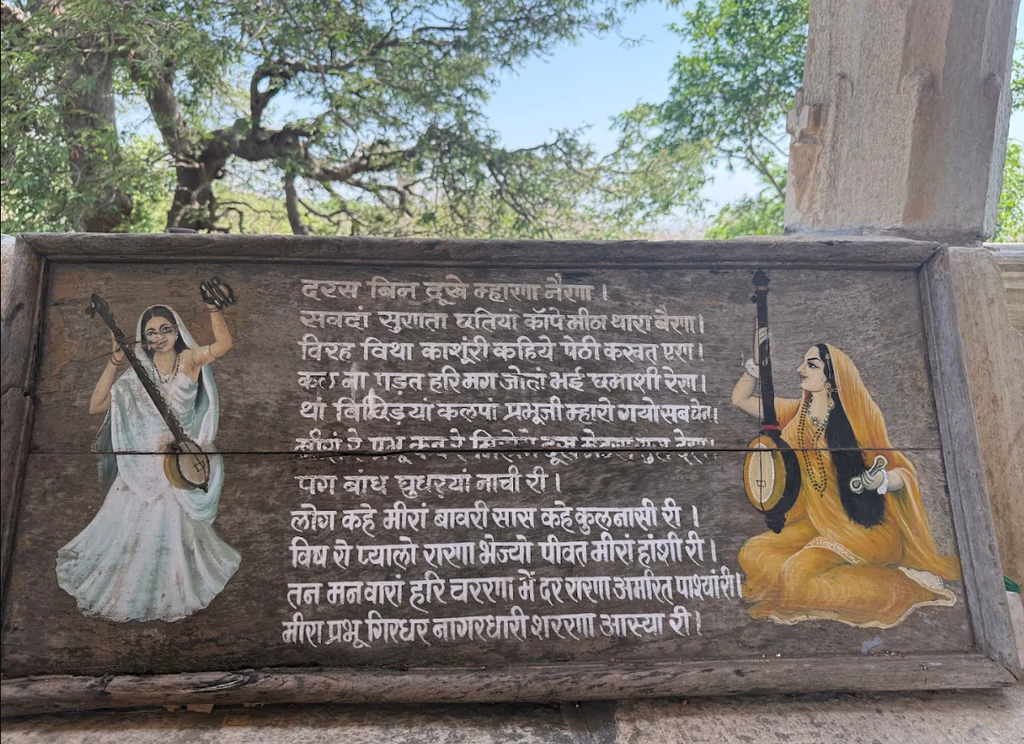
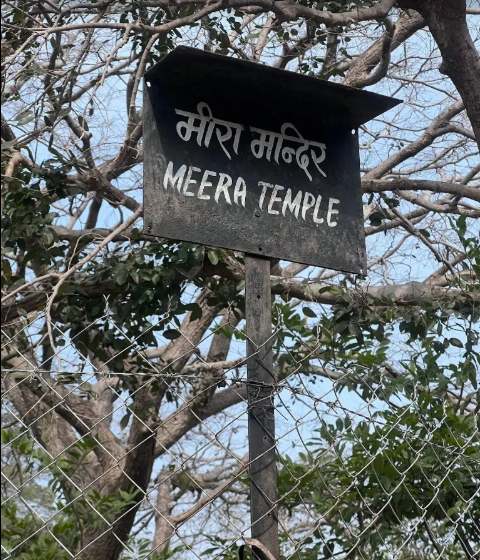
    Meera Temple is located in Chittorgarh Fort. This temple is dedicated to Meera Bai. Maharana Kumbha built this temple during his reign, due to which it is a center of attraction for tourists. According to experts, this temple was first the temple of Kumbh Shyam and later. This temple became famous as Mirabai Temple.

    Location– VJRV+4XP, Chittorgarh Fort Village, Chittorgarh, Rajasthan 312001

    How to reach– You can book an auto or taxi from Chittorgarh, or you can drive there directly.

    Phone– 01472 241 089

    Timmings– 6 am – 7 pm.

    3. Shyama Temple
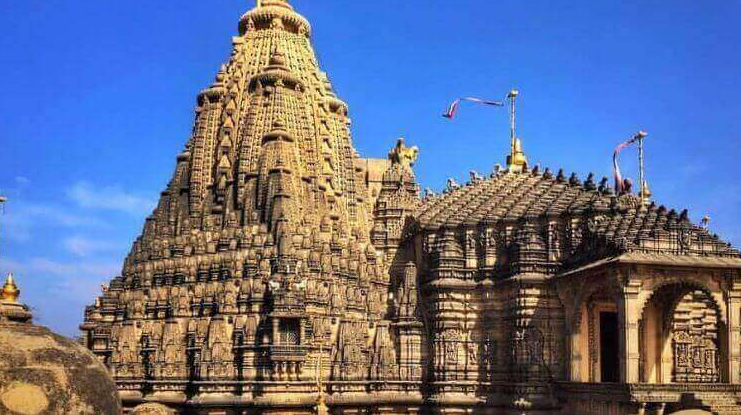
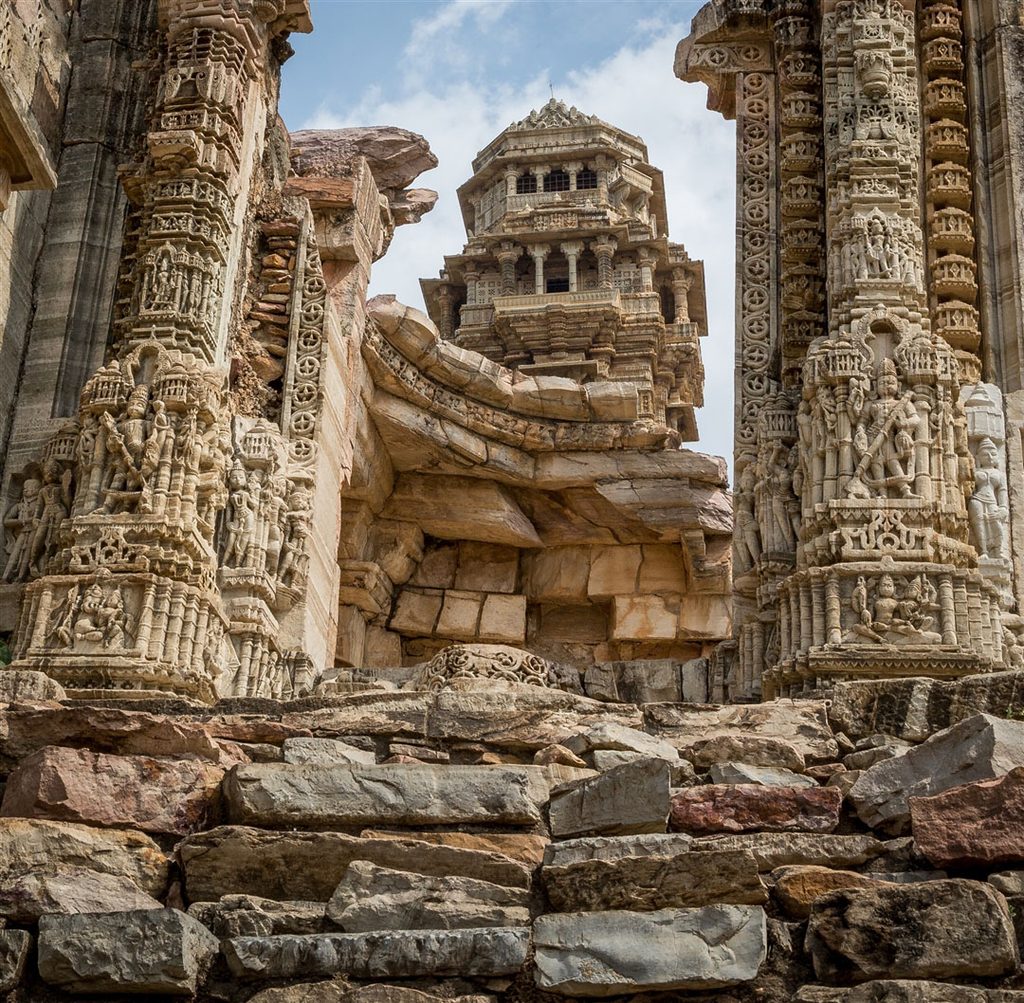
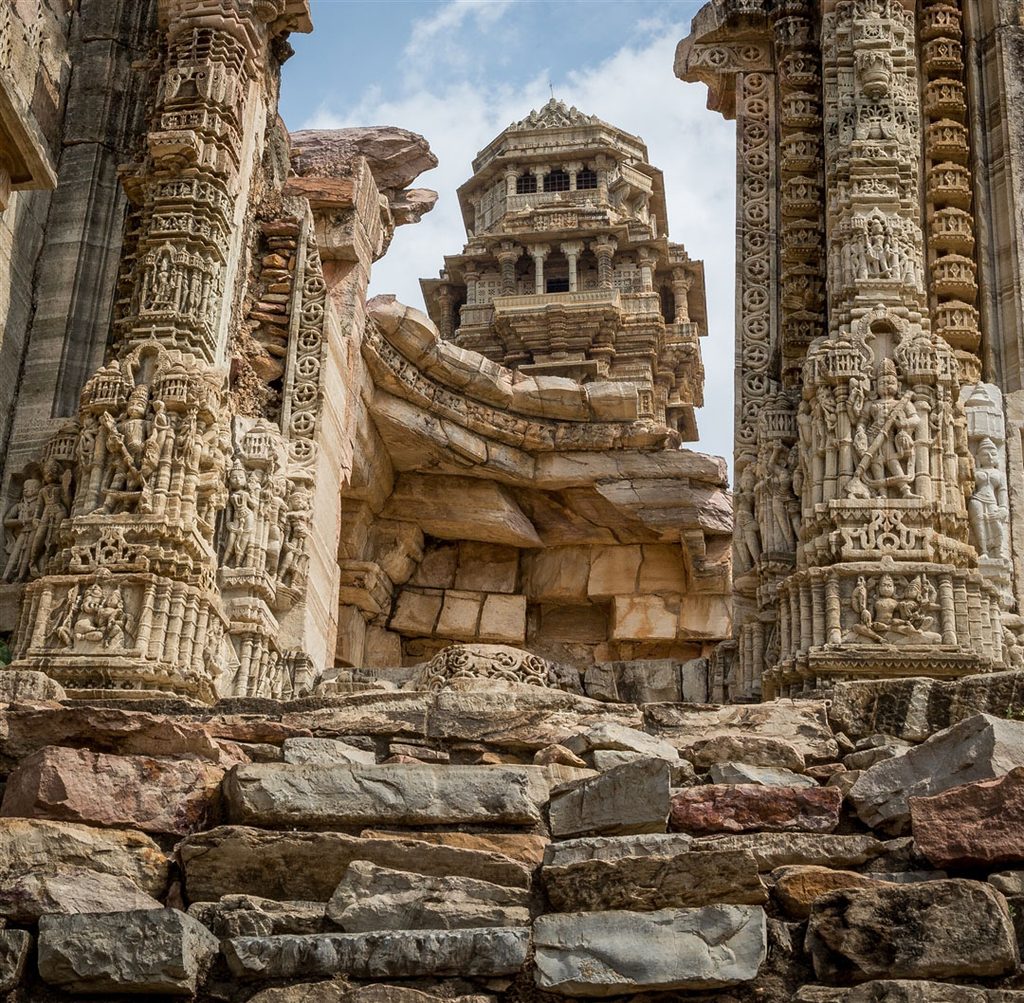
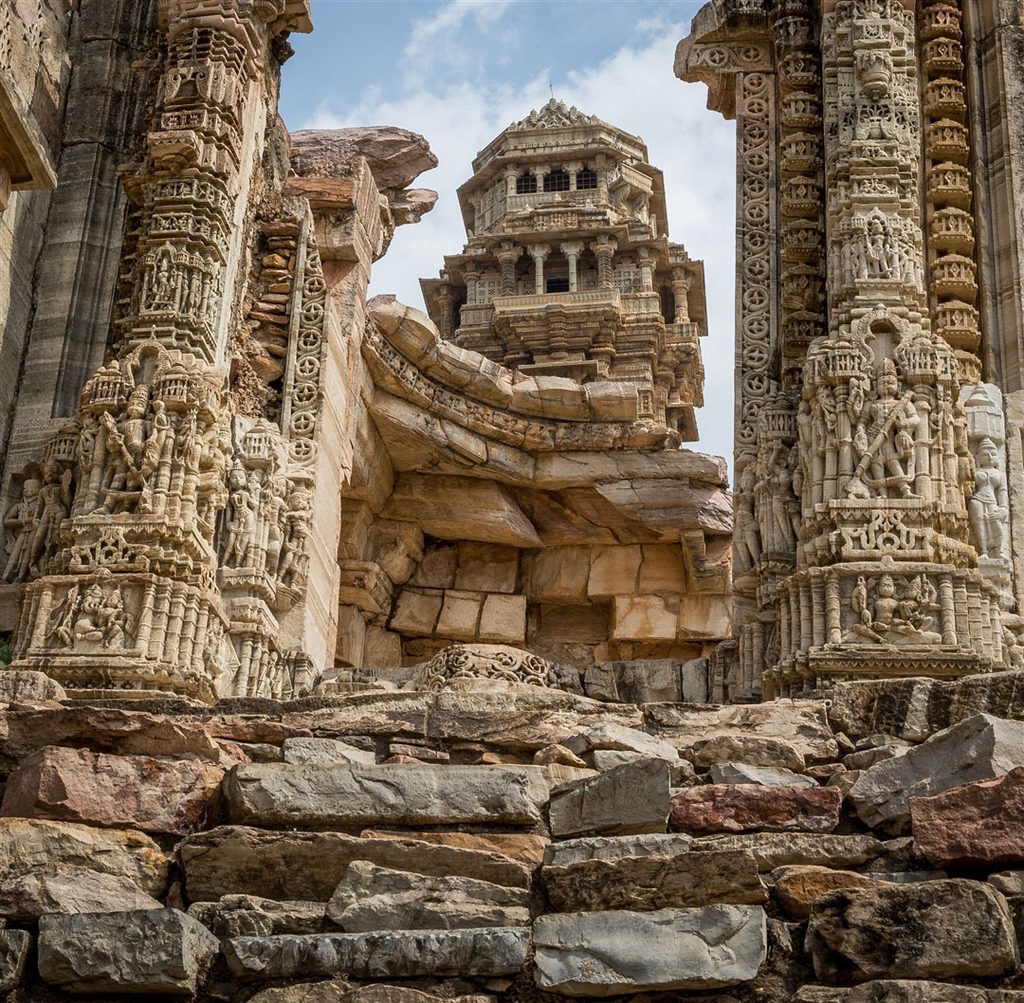
    Shyama Temple is one of the major temples located in Chittorgarh Fort. This temple has a high roof and a pyramidal tower. Its walls are decorated with many sculptures related to Hindu gods and goddesses. This temple is dedicated to one of the most beautiful embodiments of Lord Vishnu – Varaha. This beautiful temple holds great importance for the people who live here. It is known as the most amazing tourist place in Chittorgarh, and the temple is located on the premises of the Fort. The architecture of the temple displays a high roof and a long pyramidal tower. You can see various figures of Gods and Goddesses with intricate carvings on the walls of the temple.

    Location– Chittorgarh Fort, Chittorgarh, India.

    How to reach– One can hire an auto rickshaw or a tempo to reach the temple from Chittorgarh town.

    Timmings– 9:00am – 4:00pm.

    4. Sathis Deori Temple, a place worth seeing in Chittorgarh
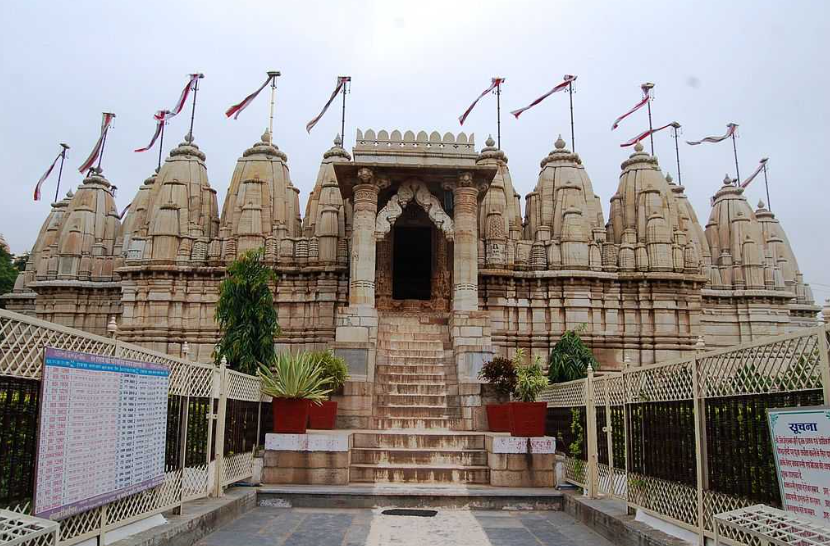
    Sathis Deori Temple is dedicated to Lord Adinath; it is a group of 27 temples dedicated to Jain Tirthankaras located in the city of Chittorgarh. The temples were built in the 11th century. Tourists come here for the peace and to admire the beautiful 11th-century architecture of the temple complex. These ancient temples are all adorned with exquisite carvings and magnificent sculptures, and the temple has been declared a World Heritage Site by UNESCO.

    Location-  473, Chittorgarh Fort Village, Chittorgarh, Rajasthan 312001, India.

    How to reach- You can hire an auto-rickshaw or a tempo to reach the temple from Chittorgarh town, or you can drive there.

    Timmings- 9:30 AM – 6:30 PM.

    5. Sanwariyaji Temple for tourists of Chittorgarh
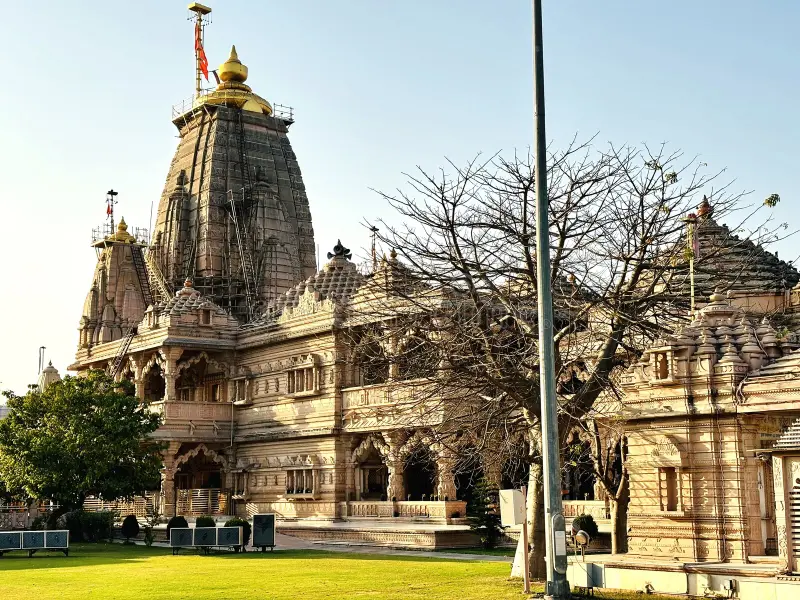
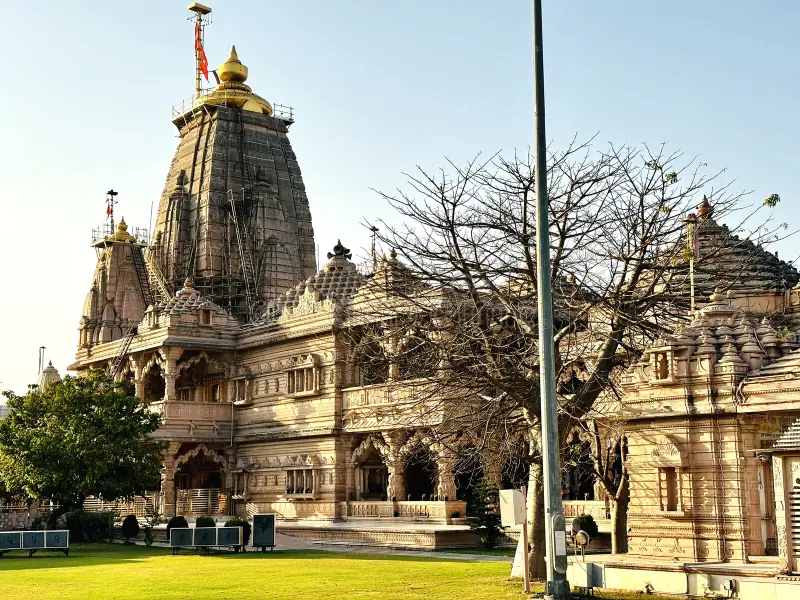
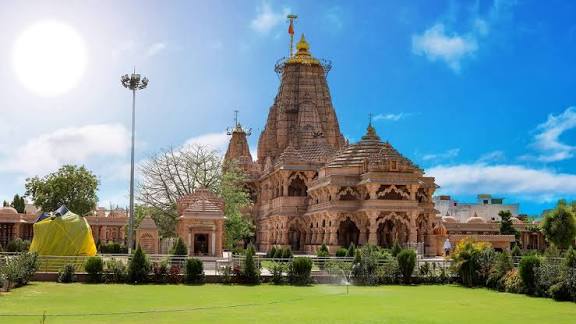
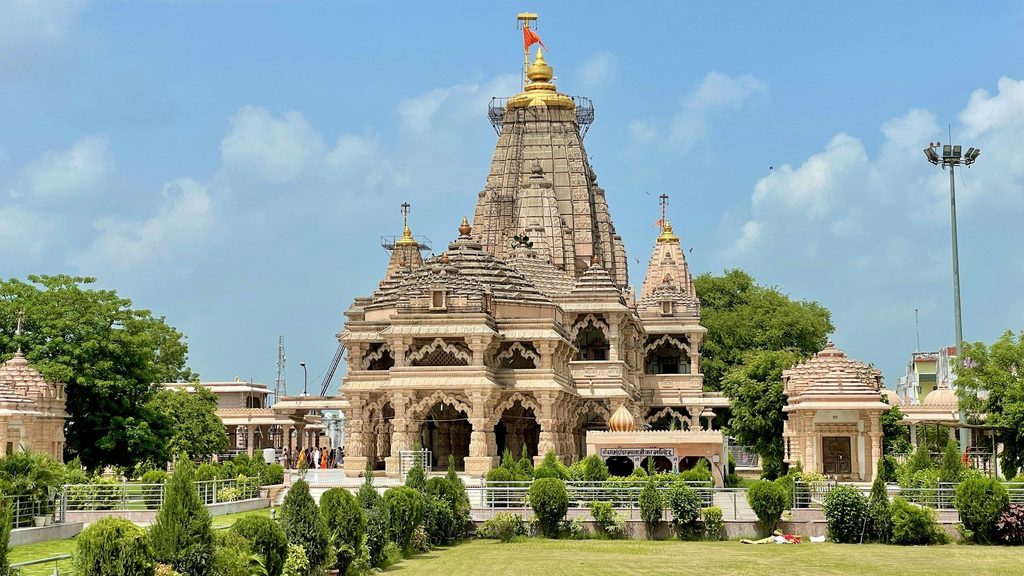
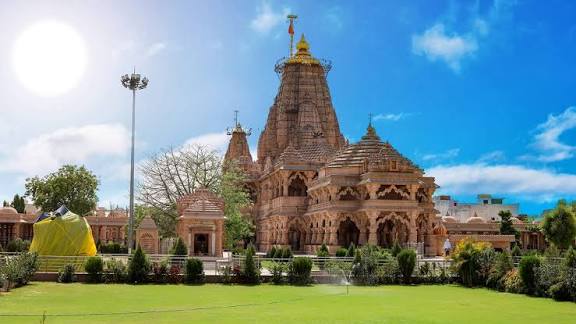
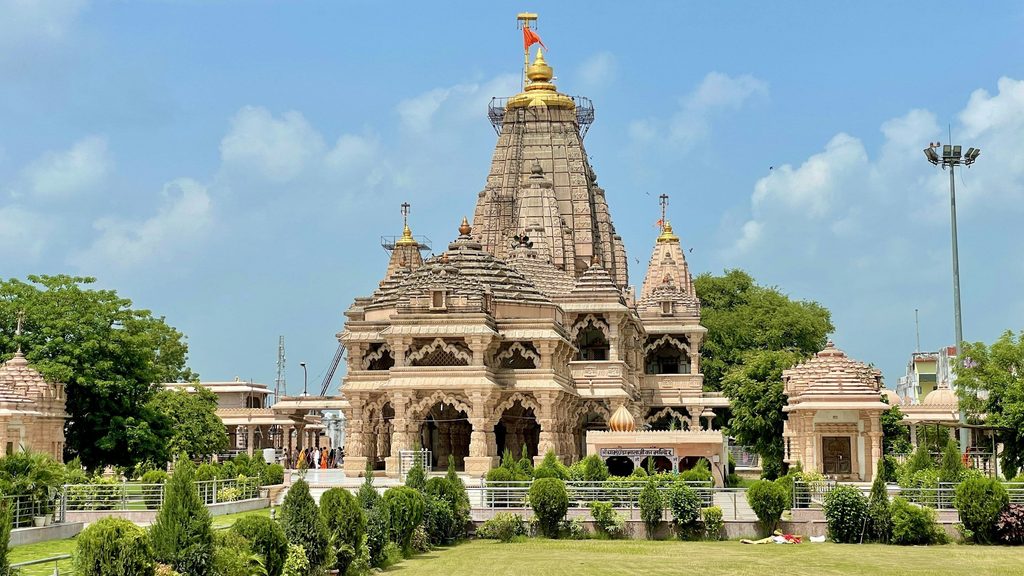
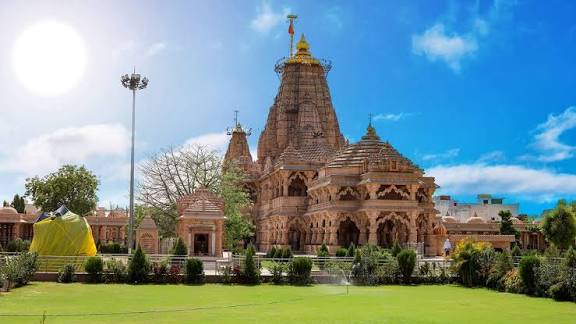
    Sanwariyaji Temple is a major temple dedicated to Lord Krishna located in Mandafia, Rajasthan. Mandafia is about 40 kilometers from Chittorgarh city. This temple falls on the Chittorgarh-Udaipur highway, due to which more and more tourists and devotees come to this place to visit the temple. This temple comes second in the list of religiously important temples dedicated to Lord Krishna for Hinduism.

    Location: Chamti Kheda, Kailash Nagar, Chittorgarh, Rajasthan 312024, India

    How to reach– You can book a taxi or auto from nearby places.

    Phone: 01470 242 622

    Timmings– 5:00 am – 12:00 pm

    6. Neelkanth Mahadev Temple
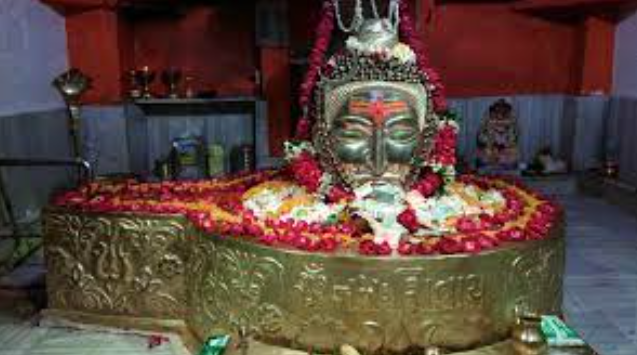
    Neelkanth Mahadev Temple, situated on Chittorgarh Fort, is also a big center of faith. Here, hundreds of devotees reach the temple every day to worship Mahadev. In the month of Sawan, the huge Shivalinga is anointed with thousands of liters of milk every day, along with special worship and adornment in this temple. Every day at five in the morning, devotees start arriving at this temple for special consecration.

    Due to the temple being at a height, the natural beauty here also attracts people a lot. It is believed that this temple was established about five thousand years ago.    

    Location: Chamti Kheda, Kailash Nagar, Chittorgarh, Rajasthan 312024, India

    How to reach– You can book a taxi or auto from nearby places.

    Timmings– 6:00 am – 9:00 pm

    7. Avari Mata temple
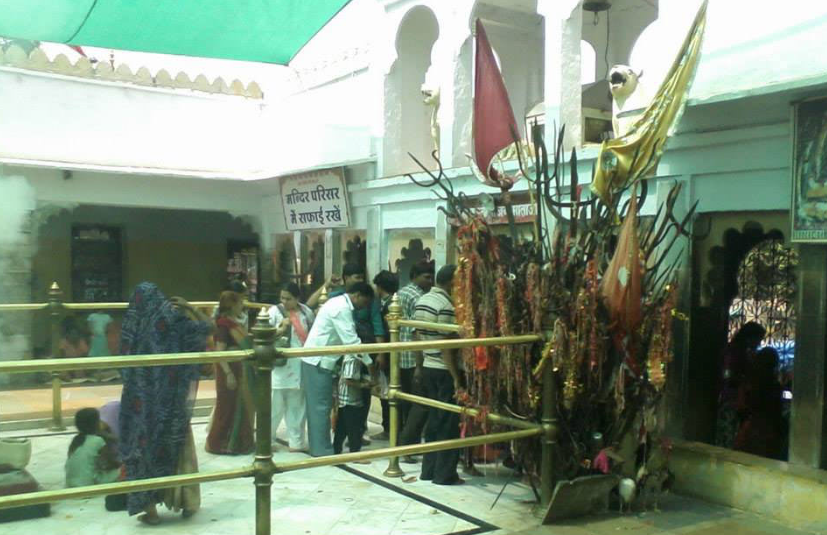
    Aavari Mata Temple, one of the popular temples of Rajasthan, is located in Asawara village near Bhadesar town of Chittorgarh. This temple is dedicated to Goddess Aavari Mata, which is situated in Asawara village. The temple is very beautifully situated, with hills and waterfalls. There is a pond located near the temple, which is considered very sacred and has a beautiful idol of Lord Hanuman. The temple has a serene and beautiful backdrop, which is very soothing when people come here in large numbers.

    Location– Mandapia Road, Asawara, Rajasthan 312602.

    How to reach– You can book a taxi and auto from Chittorgarh or Udaipur, or you can also drive there directly.

    Phone:  0141 237 1141

    Timmings- Open 24 hours.

    8. Samadhisvara Temple
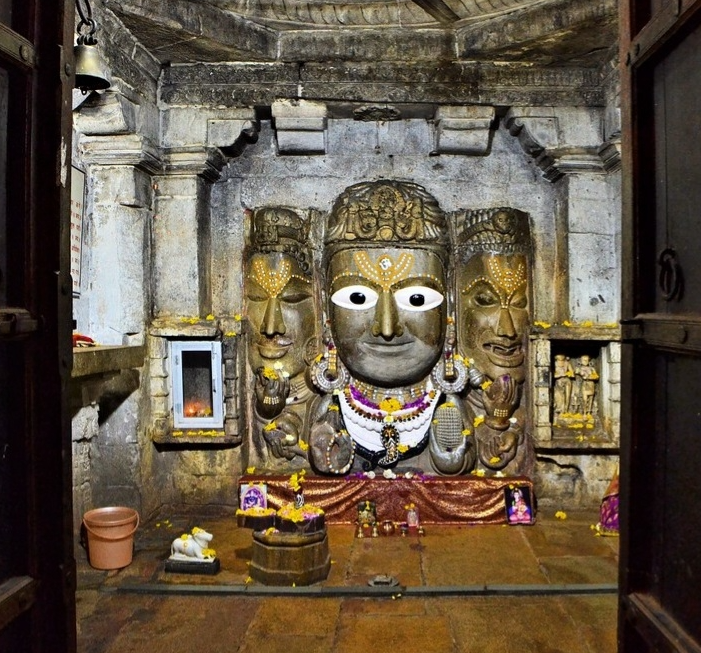
    Sammideshwar Mahadev Temple is located in the Vijay Stambh complex, where all three forms of Brahma, Vishnu, and Mahesh are present in the form of Trimurti.

    Here, Brahma, Vishnu, and Mahesh are present together in the form of Trimurti. It is believed that just by seeing all three of these forms together, one is freed from the sins of many births. In such a situation, in the holy month of Sawan, every devotee comes here from far and wide to get the desired boon. Long queues of foreign tourists are also seen coming here. The entire city is becoming devotional with the slogans of Har Har Mahadev.

    Location– Chittorgarh Fort Village, Chittorgarh, Rajasthan 312001

    How to reach– You can book a taxi and auto from the city, or you can also drive there directly.

    Phone:  +91 94137 91906

    Timmings– 7.30 am – 6.30 pm.

    9. Tulja Bhawani Temple
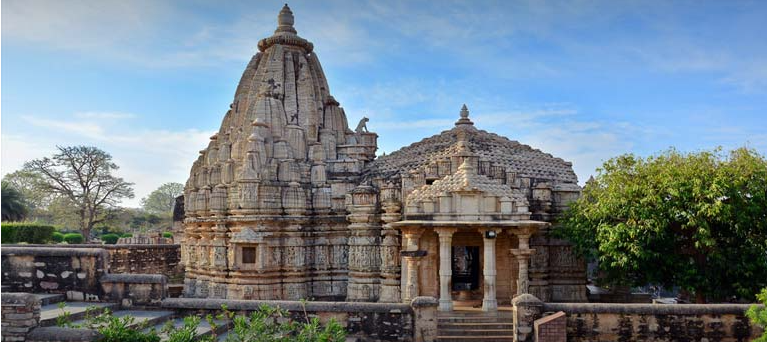
    The beautiful Tulja Bhawani temple is situated near the Dadaji Darbar and belongs to the Hindu Goddess Maa Tulja Bhavani. There are many myths and stories linked with this temple; it is believed that during the ‘vanvas’ (who live in the forest), Lord Ramastayedat this place and worshipped Goddess Shakti for nine days, worshipped here in the form of Goddess Tulja Bhavani. The temple is also surrounded by some of the best resorts in Chittorgarh. 

    Location– Chittorgarh Fort Village, Chittorgarh, Rajasthan 312001

    How to reach– You can book a taxi and auto from the city, or you can also drive there directly.

    Timmings– 4 am – 9.30 pm.

    Conclusion

    Chittorgarh is a very beautiful place in Rajasthan, which has its own historical and religious importance. There are as many temples and wildlife sanctuaries as there are historical things located inside the Fort. By visiting here, you will be able to know very well about the culture of Rajasthan.
  • What is Chittorgarh Famous For ?

    What is Chittorgarh Famous For ?

    Introduction

    Chittorgarh, a city located in the northwestern state of Rajasthan, India, is a place of immense historical significance and cultural heritage. Often referred to as the “City of Victory” Chittorgarh has left an indelible mark on the pages of Indian history, with its rich tapestry of legends, valor, and architectural marvels. In this article, we will delve into the myriad aspects that make Chittorgarh famous, from its majestic fort to tales of bravery, its remarkable temples, and the vibrant Rajasthani culture that thrives within its walls.

    Chittorgarh Fort: The Jewel of Chittorgarh

    Chittorgarh’s claim to fame begins with its crowning jewel, the Chittorgarh Fort. This massive hill fort is the largest in India and one of the grandest in Asia. Spanning over 700 acres, the fort is a UNESCO World Heritage Site, celebrated for its architectural brilliance and historical importance. It’s a testament to the military prowess and strategic significance of Chittorgarh in the annals of Rajputana history.

    The fort is encircled by a 13-kilometer-long wall that envelopes the hilly terrain, and it is replete with palaces, temples, reservoirs, and intricate architecture. The various structures within the fort, including the Rana Kumbha Palace, Padmini Palace, and the Vijay Stambh (Tower of Victory), showcase the artistic and engineering marvels of the bygone era.

    chittorgarh fort

    Tales of Valor: Chittorgarh’s Glorious History

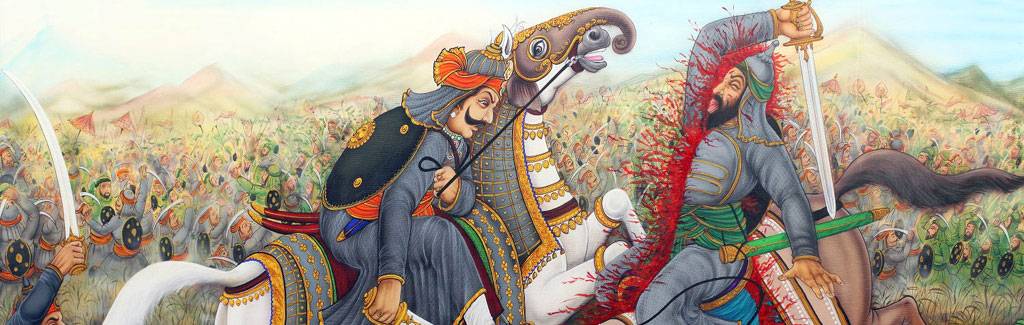
    Chittorgarh has witnessed some of the most iconic tales of bravery in Indian history. The fort’s history is closely intertwined with the valor and sacrifices of the Rajputs, particularly the Sisodia dynasty. Chittorgarh has endured numerous sieges, with the most famous being the siege by Alauddin Khilji in 1303 and the siege by Emperor Akbar in 1567-1568.

    The Siege of Chittorgarh by Alauddin Khilji is particularly renowned for the Jauhar, a mass self-immolation of the Rajput women to protect their honor from the invading army. This poignant event remains etched in the collective memory of India, symbolizing the unyielding courage and pride of the Rajputs.

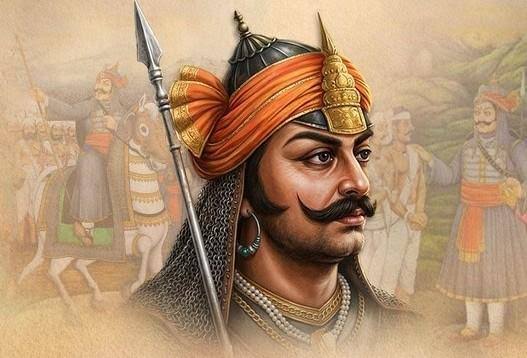
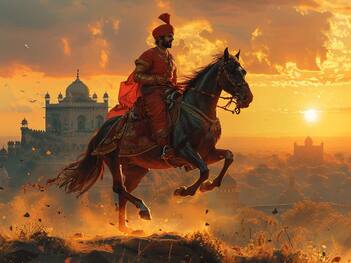
    Chittorgarh’s history also saw the heroic deeds of Rana Pratap Singh, the Mewar king who defied Mughal rule and fought relentlessly to retain his kingdom’s independence. His unwavering spirit is celebrated through various monuments and memorials in Chittorgarh.

    Remarkable Temples of Chittorgarh

    Chittorgarh is not just about its grand fort and historical narratives; it is also known for its splendid temples that hold religious and architectural significance. The city boasts a plethora of temples, each with its unique charm and allure.

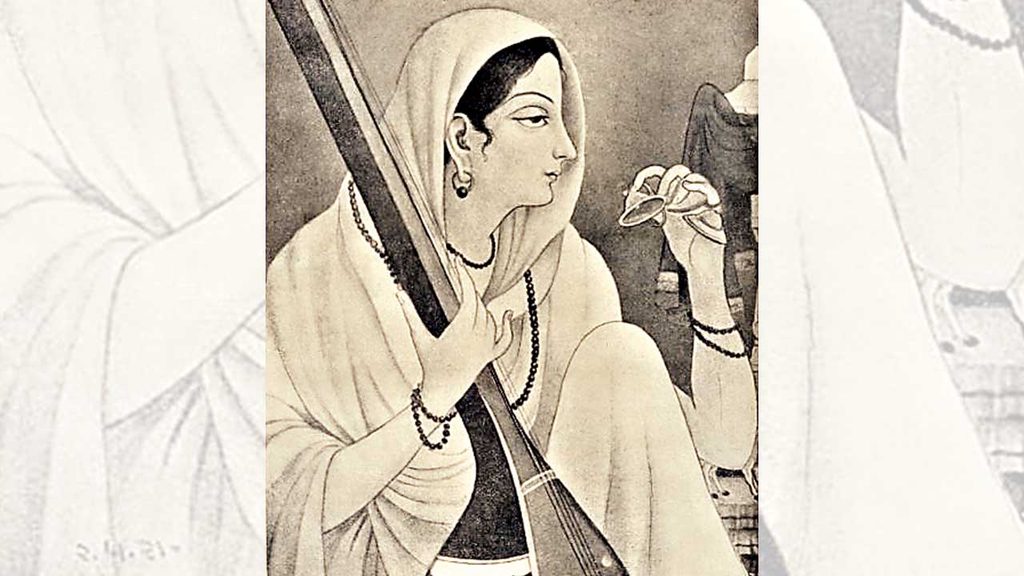
    One of the most revered temples in Chittorgarh is the Meera Temple, dedicated to the legendary Rajput princess and saint, Meera Bai. Her devotion to Lord Krishna is celebrated through devotional songs and folklore in this temple.

    meera temple

    The Kalika Mata Temple, dedicated to the Goddess Kalika, is another prominent religious site in Chittorgarh. Its distinct architecture, intricate carvings, and religious fervor make it a must-visit for tourists and pilgrims alike.

    The Kumbha Shyam Temple, built during the reign of Maharana Kumbha, is a marvel of Rajput architecture, characterized by its intricate stone carvings and finely crafted pillars.

    kalika mata temple chittorgarh

    The Iconic Vijay Stambh: Tower of Victory

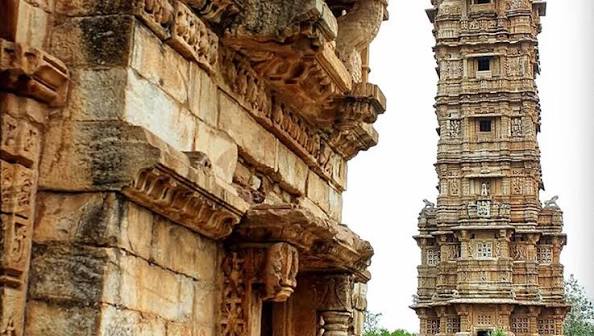
    Standing tall within the Chittorgarh Fort, the Vijay Stambh, or Tower of Victory, is an architectural masterpiece that commemorates the victory of Rana Kumbha over Mahmud Khilji. This 37.19-meter-high tower is adorned with intricate sculptures and inscriptions, showcasing the rich artistic heritage of the Rajput dynasty.

    The Vijay Stambh is a symbol of Chittorgarh’s resilience and triumph over adversity, making it one of the most photographed and cherished landmarks in Chittorgarh.

    vijay stambh, victory tower

    Festivals and Cultural Vibrancy

    Chittorgarh is not just a city of historical relics; it is also a place where culture thrives. The city comes alive during festivals, with vibrant celebrations that offer a glimpse into the rich Rajasthani heritage.

    One of the most celebrated festivals in Chittorgarh is the Meera Mahotsav, a five-day event dedicated to Meera Bai, where devotees and artists from across the country gather to pay tribute to this legendary saint. The festival is marked by devotional music, dance performances, and a sense of spiritual fervor.

    Holi, the festival of colors, is celebrated with great enthusiasm in Chittorgarh. The city’s streets come alive with vibrant hues, and the revelry is accompanied by traditional Rajasthani folk music and dance.

    The Spirit of Chittorgarh

    Beyond its historical and architectural treasures, Chittorgarh exudes a distinctive spirit that reflects the resilience, pride, and unwavering character of the Rajput community. This spirit is visible in the ethos of the city, its people, and their way of life.

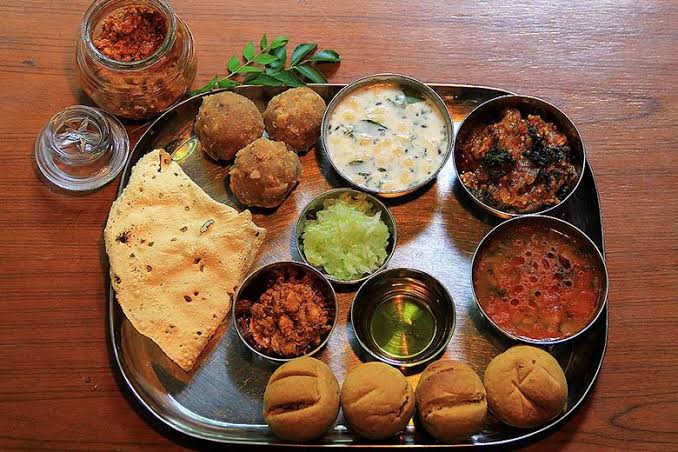
    The local cuisine in Chittorgarh is a reflection of Rajasthan’s rich culinary heritage. Traditional dishes like Dal Baati Churma, Gatte ki Sabzi, offer a delectable taste of Rajasthani flavors.

    The traditional attire of Chittorgarh is equally captivating. The women don vibrant, colorful sarees with intricate embroidery, while the men often wear turbans and dhotis. These traditional outfits add to the city’s cultural charm and are often donned during local festivities and special occasions.

    Daal baati churma

    Tourism and Preservation Efforts

    Chittorgarh’s historical significance and architectural marvels have made it a sought-after destination for tourists and history enthusiasts. However, preserving these invaluable monuments is an ongoing challenge.

    Efforts have been made by the government and various heritage conservation organizations to ensure the maintenance and restoration of the Chittorgarh Fort and its structures. Initiatives like proper signage, guided tours, and infrastructure development have made it more accessible to visitors while safeguarding its historical importance.

    Conclusion

    Chittorgarh’s fame transcends its physical boundaries. It is not merely a city; it’s a living testament to the valor and culture of Rajasthan. The Chittorgarh Fort, the tales of bravery, remarkable temples, and the city’s vibrant culture together form the bedrock of its reputation. As we explore Chittorgarh’s heritage, we’re reminded of the ageless spirit of a city that has withstood the test of time and continues to be a symbol of pride and glory in the heart of Rajasthan. A visit to Chittorgarh is not just a journey into history but also an immersion into the enduring legacy of Rajasthan’s rich pas
  • चित्तौड़गढ़ का इतिहास

    चित्तौड़गढ़ का इतिहास

    परिचय

    राजस्थान के सांस्कृतिक रूप से जीवंत राज्य के केंद्र में स्थित, चित्तौड़गढ़ भारत के समृद्ध इतिहास की वीरता, रोमांच और भव्यता का एक जीवंत प्रमाण है। यह प्राचीन शहर, जिसे अक्सर चित्तौड़गढ़ या चित्तौड़ कहा जाता है, अपने शानदार किलों, वीरता की पौराणिक कहानियों और सदियों तक फैले इतिहास के लिए जाना जाता है। इस लेख में, हम चित्तौड़गढ़ के प्रारंभिक उद्भव से लेकर आज तक के मनोरम इतिहास का पता लगाने के लिए समय की यात्रा पर निकलेंगे।

    प्राचीन नींव (7वीं शताब्दी ई.पू.)

    चित्तौड़गढ़ का इतिहास 7वीं शताब्दी ईस्वी में खोजा जा सकता है जब इसकी स्थापना मौर्य राजवंश द्वारा की गई थी। इस समय के दौरान, इसे चित्रकुट के नाम से जाना जाता था, जो बाद में अपने वर्तमान नाम चित्तौड़गढ़ में विकसित हुआ। चित्तौड़गढ़ के प्रारंभिक शासकों ने क्षेत्र के सांस्कृतिक और स्थापत्य विकास में योगदान दिया।

    मेवाड़ राजवंश

    शहर की किस्मत 8वीं शताब्दी में बदल गई जब यह मेवाड़ राजवंश की राजधनी बन गई, जिसने चित्तौड़गढ़ की पहचान को आकार देने में महत्वपूर्ण भूमिका निभाई। मेवाड़ राजवंश के तहत, चित्तौड़गढ़ कला, संस्कृति और सैन्य शक्ति के केंद्र के रूप में उभरा। शहर का किला, जिसे चित्तौड़गढ़ किले के नाम से जाना जाता है, राजपूत वीरता का प्रतीक बन गया।

    रानी पद्मिनी की कहानी

    चित्तौड़गढ़ रानी पद्मिनी की पौराणिक कहानी के लिए प्रसिद्ध है। लोकप्रिय लोककथाओं के अनुसार, रानी पद्मिनी एक रानी थीं जो अपनी अद्वितीय सुंदरता के लिए जानी जाती थीं। उनकी कहानी 16वीं शताब्दी में मलिक मुहम्मद जायसी द्वारा लिखित महाकाव्य “पद्मावत” में अमर हो गई। कविता रानी पद्मिनी, राजा रतन सिंह और अलाउद्दीन खिलजी द्वारा चित्तौड़गढ़ की घेराबंदी की कहानी बताती है।

    अलाउद्दीन खिलजी की घेराबंदी

    चित्तौड़गढ़ के इतिहास में सबसे निर्णायक क्षणों में से एक 14वीं शताब्दी में अलाउद्दीन खिलजी द्वारा चित्तौड़गढ़ किले की घेराबंदी थी। घेराबंदी राजपूतों की अटूट भावना और सम्मान के प्रति उनकी प्रतिबद्धता का प्रमाण थी। भारी बाधाओं का सामना करने के बावजूद, राजपूतों ने आत्मसमर्पण करने से इनकार कर दिया और आत्म-बलिदान का रास्ता चुना। “जौहर” की प्रथा, जहाँ महिलाओं और बच्चों ने अपने सम्मान की रक्षा के लिए आत्मदाह कर लिया, राजपूत साहस और बलिदान का प्रतीक बन गई।

    महान राणा प्रताप

    16वीं शताब्दी में चित्तौड़गढ़ के सबसे प्रसिद्ध शासकों में से एक, राणा प्रताप के उदय के साथ इसके इतिहास में एक और महत्वपूर्ण अध्याय दर्ज हुआ। मेवाड़ के 13वें शासक राणा प्रताप ने मुगल साम्राज्य, मुख्य रूप से अकबर के खिलाफ प्रतिरोध का नेतृत्व किया। अपने लोगों के प्रति उनकी अटूट प्रतिबद्धता और चित्तौड़गढ़ को पुनः प्राप्त करने के उनके अथक संघर्ष ने उन्हें इतिहास में राजस्थान के सबसे बहादुर नायकों में से एक के रूप में स्थान दिलाया।

    मुगल प्रभाव

    मुगल काल के दौरान, चित्तौड़गढ़ में कई बदलाव हुए। अंततः अकबर ने शहर पर कब्जा कर लिया और इसे मुगल नियंत्रण में ले लिया। हालाँकि, मुगलों ने राजपूतों की वीरता को पहचाना और उनके साथ सम्मान से व्यवहार किया। चित्तौड़गढ़ क्षेत्र की राजनीति में महत्वपूर्ण भूमिका निभाता रहा।

    ब्रिटिश शासन और स्वतंत्रता के बाद का युग

    मुगल साम्राज्य के पतन के साथ, चित्तौड़गढ़ ब्रिटिश राज के प्रभाव में आ गया। 1947 में भारत को स्वतंत्रता मिलने के बाद, चित्तौड़गढ़ नवगठित भारतीय राज्य राजस्थान का हिस्सा बन गया। आज, यह भारत की समृद्ध सांस्कृतिक विरासत का प्रतीक और एक लोकप्रिय पर्यटन स्थल के रूप में खड़ा है।

    चित्तौड़गढ़ अब

    चित्तौड़गढ़ कई ऐतिहासिक स्थलों और स्मारकों का घर है जो दुनिया भर से पर्यटकों को आकर्षित करते रहते हैं। चित्तौड़गढ़ किला, एक यूनेस्को विश्व धरोहर स्थल, सबसे प्रतिष्ठित स्थलों में से एक बना हुआ है। अपनी जटिल वास्तुकला और ऐतिहासिक महत्व के साथ, यह किला इतिहास में रुचि रखने वालों और पर्यटकों को जरूर देखना चाहिए।

    शहर में राणा कुंभा पैलेस, पद्मिनी पैलेस, मीरा मंदिर और कीर्ति स्तंभ (टॉवर ऑफ फ़ेम) जैसे अन्य उल्लेखनीय आकर्षण भी हैं। इनमें से प्रत्येक स्थल चित्तौड़गढ़ के समृद्ध इतिहास का एक टुकड़ा संरक्षित करता है, जिससे आगंतुकों को अतीत में जाने और शहर की स्थायी विरासत का अनुभव करने की अनुमति मिलती है।

    निष्कर्ष

    चित्तौड़गढ़ का इतिहास वीरता, बलिदान और शाश्वत प्रेम कहानियों के धागों से बुना हुआ एक महाकाव्य है। अपनी साधारण शुरुआत से लेकर राजसी किले तक, जो अभी भी ऊंचा खड़ा है, चित्तौड़गढ़ इतिहास और संस्कृति का खजाना बना हुआ है। यह शहर राजपूतों की स्थायी भावना और भारत की विरासत में उनके उल्लेखनीय योगदान का एक प्रमाण है।

    चूँकि चित्तौड़गढ़ विश्व के कोने-कोने से यात्रियों और इतिहास प्रेमियों को आकर्षित करता रहता है, इसलिए यह युगों-युगों से मानवीय भावना के लचीलेपन और भव्यता का जीवंत प्रमाण बना हुआ है। चाहे आप इतिहास के शौकीन हों, वास्तुकला के प्रेमी हों, या बस एक जिज्ञासु यात्री हों, चित्तौड़गढ़ समय के इतिहास के माध्यम से एक मनोरम यात्रा प्रदान करता है, जो आपको इसके अतीत के गौरवशाली अध्यायों को फिर से जीने की अनुमति देता है।

  • सांवरिया सेठ मंदिर(Sanwaliya Seth Temple): चित्तौड़गढ़ में इसके इतिहास और महत्व की एक झलक

    सांवरिया सेठ मंदिर(Sanwaliya Seth Temple): चित्तौड़गढ़ में इसके इतिहास और महत्व की एक झलक

    भारत के राजस्थान के मध्य में बसा शहर चित्तौड़गढ़ न केवल अपने राजसी किले के लिए प्रसिद्ध है, बल्कि सांवरिया सेठ मंदिर के नाम से जाने जाने वाले आध्यात्मिक अभयारण्य के लिए भी प्रसिद्ध है। यह भव्य मंदिर भक्ति और स्थापत्य भव्यता के प्रतीक के रूप में खड़ा है, जो हर साल हजारों तीर्थयात्रियों और पर्यटकों को आकर्षित करता है। इस लेख में, हम आपको सांवरिया सेठ मंदिर की उत्पत्ति, महत्व और आकर्षण का पता लगाने के लिए समय और इतिहास की यात्रा पर ले जाएंगे।

    सांवरिया सेठ मंदिर की उत्पत्ति

    माना जाता है कि भगवान कृष्ण को समर्पित सांवरिया सेठ मंदिर 15वीं शताब्दी के आसपास बनाया गया था, जो इसे शहर में एक प्राचीन और सांस्कृतिक रूप से समृद्ध स्मारक बनाता है। इतिहास में डूबा चित्तौड़गढ़ कई महत्वपूर्ण घटनाओं की पृष्ठभूमि रहा है, और यह मंदिर शहर से जुड़ी भक्ति और वीरता की कहानियों का गवाह है।

    मंदिर का वास्तुशिल्प

    यह मंदिर न केवल अपने आध्यात्मिक महत्व के लिए बल्कि अपनी स्थापत्य प्रतिभा के लिए भी प्रसिद्ध है। इसमें राजस्थानी और मुगल स्थापत्य शैली का अद्भुत मिश्रण है, जो जटिल पत्थर की नक्काशी और सुरुचिपूर्ण गुंबदों को प्रदर्शित करता है। मंदिर के बाहरी हिस्से को जटिल रूप से डिजाइन किए गए भित्तिचित्रों से सजाया गया है, जो समग्र संरचना में एक मंत्रमुग्ध कर देने वाला स्पर्श जोड़ते हैं।

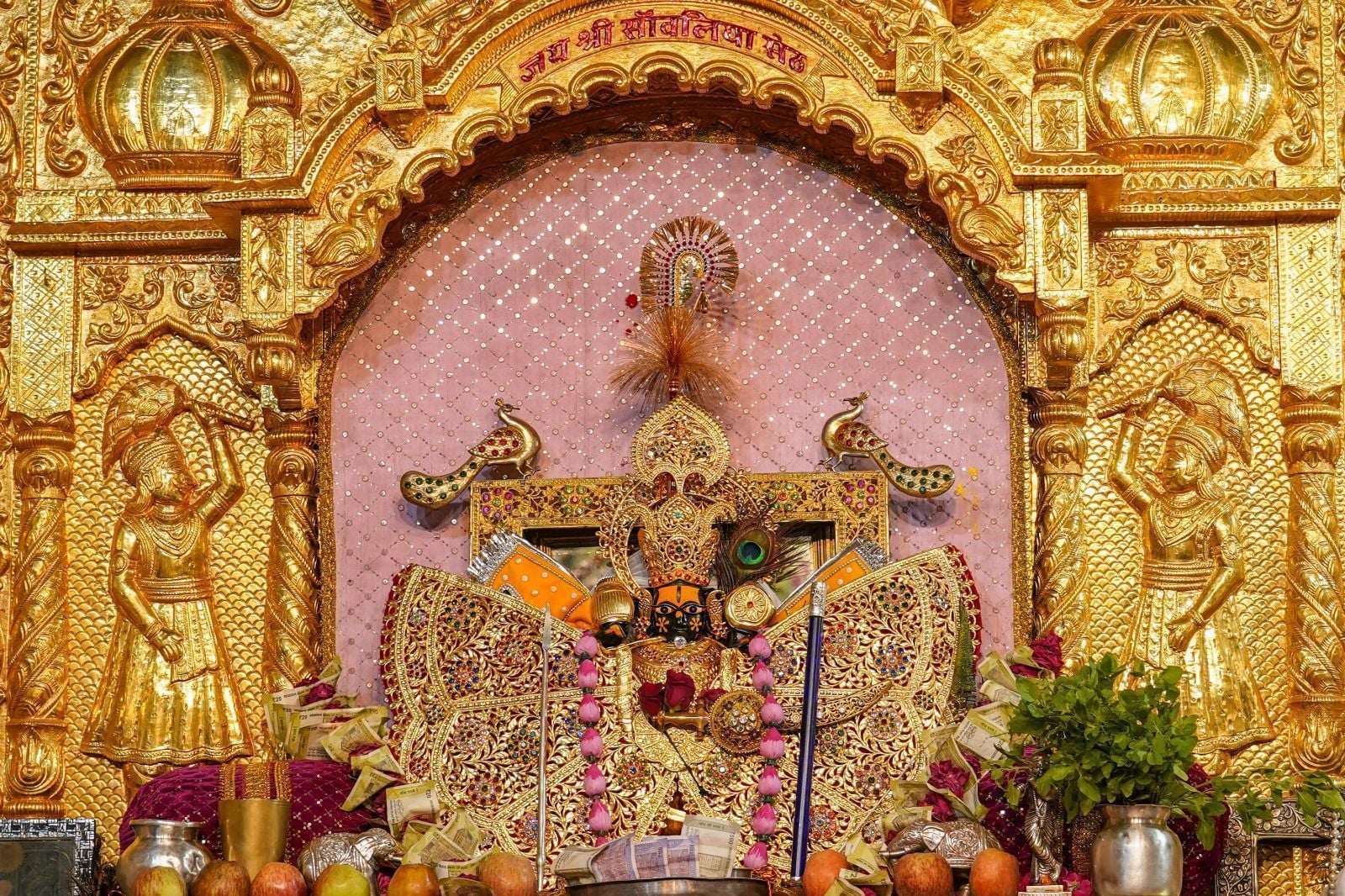
    जैसे ही आप मंदिर परिसर में प्रवेश करते हैं, आपका स्वागत एक सुंदर नक्काशीदार संगमरमर का प्रवेश द्वार करेगा, जिसके बाद एक आंगन होगा जो शांति का अनुभव कराता है। मुख्य गर्भगृह में भगवान कृष्ण की एक मंत्रमुग्ध कर देने वाली मूर्ति है, जो अपनी दिव्य उपस्थिति से आगंतुकों को आकर्षित करती है।

    मंदिर की वास्तुकला राजस्थान की समृद्ध सांस्कृतिक विरासत का प्रमाण है, जो कुशल कारीगरों की शिल्प कौशल का प्रदर्शन करती है जिन्होंने इस उत्कृष्ट कृति को बनाने के लिए अपनी प्रतिभा समर्पित की। यह मंदिर उन कारीगरों और वास्तुकारों को श्रद्धांजलि के रूप में खड़ा है जो कभी इस क्षेत्र में फले-फूले थे।

    धार्मिक महत्व

    सांवरिया सेठ मंदिर सिर्फ एक ऐतिहासिक अवशेष नहीं है बल्कि भक्तों के लिए एक पवित्र पूजा स्थल है। यह भगवान विष्णु के आठवें अवतार भगवान कृष्ण को समर्पित है, जो प्रेम, भक्ति और आकर्षण के देवता के रूप में प्रतिष्ठित हैं। भगवान कृष्ण का आशीर्वाद लेने और इसके शांत वातावरण में सांत्वना पाने के लिए दूर-दूर से भक्त इस मंदिर में आते हैं।

    मंदिर न केवल पूजा का स्थान है बल्कि आध्यात्मिक और सांस्कृतिक संवर्धन का भी स्थान है। यह विभिन्न धार्मिक और सांस्कृतिक गतिविधियों के केंद्र के रूप में कार्य करता है, जिससे यह स्थानीय समुदाय के जीवन का अभिन्न अंग बन जाता है।

    त्यौहार एवं उत्सव

    भगवान कृष्ण के जन्मदिन, जन्माष्टमी के दौरान चित्तौड़गढ़ उत्सव से जीवंत हो उठता है। सांवरिया सेठ मंदिर इस दौरान भव्य उत्सव आयोजित करता है, जो भक्तों और पर्यटकों को समान रूप से आकर्षित करता है। मंदिर को फूलों, रोशनी और सजावट से खूबसूरती से सजाया जाता है और भगवान कृष्ण की मूर्ति के साथ मधुर भजन और कीर्तन के साथ एक जुलूस निकाला जाता है। यह उत्सव उत्सव और एकता का माहौल लाता है, जिससे चित्तौड़गढ़ के लोगों में अपनेपन की भावना पैदा होती है।

    भव्य आरती समारोह

    सांवरिया सेठ मंदिर में सबसे मनोरम अनुभवों में से एक शाम का आरती समारोह है। जैसे ही सूरज डूबता है, मंदिर अनगिनत तेल के दीपक और धूप से जगमगा उठता है, जिससे एक अवास्तविक और अलौकिक वातावरण बनता है। आरती एक आत्मा-विभोर करने वाली रस्म है, जिसमें मधुर भजन और घंटियों की लयबद्ध ध्वनि से वातावरण गूंज उठता है। भक्त अटूट भक्ति के साथ भाग लेते हैं, और अनुभव हृदय और आत्मा पर एक अमिट छाप छोड़ता है।

    पर्यटन में योगदान

    सांवरिया सेठ मंदिर न केवल एक आध्यात्मिक स्थल के रूप में बल्कि चित्तौड़गढ़ में एक महत्वपूर्ण पर्यटक आकर्षण के रूप में भी काम करता है। इसकी वास्तुकला की भव्यता और सांस्कृतिक समृद्धि दुनिया भर से पर्यटकों को आकर्षित करती है, जो इसे राजस्थान के पर्यटन उद्योग का एक प्रमुख घटक बनाती है।

    पर्यटक इस मंदिर के इतिहास, आध्यात्मिकता और कलात्मकता के मिश्रण से मंत्रमुग्ध हो जाते हैं। यह राजस्थान की जीवंत संस्कृति और विरासत की झलक प्रदान करता है, जो इस क्षेत्र का पता लगाने के इच्छुक लोगों को एक अद्वितीय यात्रा अनुभव प्रदान करता है।

    संरक्षण और पुनरुद्धार

    सांवरिया सेठ मंदिर की समृद्ध विरासत और ऐतिहासिक महत्व को संरक्षित करना अत्यंत महत्वपूर्ण है। सरकार ने, विभिन्न सांस्कृतिक और धार्मिक संगठनों के सहयोग से, यह सुनिश्चित करने के लिए बहाली और संरक्षण के प्रयास किए हैं कि यह वास्तुशिल्प चमत्कार आने वाली पीढ़ियों के लिए बरकरार रहे।

    संरक्षण कार्य का उद्देश्य मंदिर की संरचनात्मक अखंडता को बनाए रखना, प्राचीन भित्तिचित्रों की रक्षा करना और आसपास के क्षेत्र की सुरक्षा करना है। ये प्रयास न केवल मंदिर के संरक्षण में योगदान देते हैं बल्कि पर्यटन के माध्यम से स्थानीय अर्थव्यवस्था का भी समर्थन करते हैं।

    सांवरिया सेठ मंदिर के दर्शन

    यदि आप चित्तौड़गढ़ की यात्रा की योजना बना रहे हैं, तो सांवरिया सेठ मंदिर निस्संदेह आपके यात्रा कार्यक्रम में होना चाहिए। एक सार्थक यात्रा सुनिश्चित करने के लिए यहां कुछ सुझाव दिए गए हैं:

    शालीन पोशाक पहनें:

    पूजा स्थल के रूप में, शालीनता से कपड़े पहनना, अपने कंधों और पैरों को ढंकना आवश्यक है।

    अपने जूते उतारें:

    मंदिर परिसर में प्रवेश करने से पहले अपने जूते उतारने की प्रथा है। जूता भंडारण सुविधाएं आमतौर पर उपलब्ध हैं।

    परंपराओं का सम्मान करें:

    मंदिर के रीति-रिवाजों और परंपराओं का पालन करें, जैसे प्रार्थना करना और धूप जलाना।

    आरती में शामिल हों:

    आम तौर पर शाम को आयोजित होने वाले मनमोहक आरती समारोह को देखना न भूलें।

    परिवेश का अन्वेषण करें:

    मंदिर के सुंदर परिवेश और चित्तौड़गढ़ के ऐतिहासिक शहर का भ्रमण करने के लिए कुछ समय निकालें।


    निष्कर्ष

    चित्तौड़गढ़ में सांवरिया सेठ मंदिर सिर्फ एक पूजा स्थल नहीं है बल्कि राजस्थान के समृद्ध इतिहास और सांस्कृतिक विरासत का एक प्रमाण है। इसका वास्तुशिल्प वैभव और आध्यात्मिक महत्व इसे भक्तों और पर्यटकों दोनों के लिए एक अवश्य देखने योग्य स्थान बनाता है। इस विरासत को संरक्षित करके, हम यह सुनिश्चित करते हैं कि आने वाली पीढ़ियाँ इस उल्लेखनीय मंदिर की दिव्य सुंदरता को देखकर आश्चर्यचकित होती रहें। इसलिए, जब आप राजस्थान की अपनी अगली यात्रा की योजना बनाएं, तो अपनी घूमने की जगहों की सूची में मनमोहक सांवरिया सेठ मंदिर को शामिल करना सुनिश्चित करें, और इस पवित्र स्थल का इतिहास और आध्यात्मिकता आपको एक अलग युग में ले जाएगी।

  • वीरता की विरासत: विजय स्तंभ के निर्माण के पीछे का इतिहास

    वीरता की विरासत: विजय स्तंभ के निर्माण के पीछे का इतिहास

    परिचय

    भारत के जीवंत राज्य राजस्थान में चित्तौड़गढ़ के ऐतिहासिक किले के भीतर स्थित, विजय स्तंभ, या विजय टॉवर, राजपूत वीरता और जीत का एक विशाल प्रमाण है। विजय और गौरव का प्रतीक, यह इमारत न केवल एक महत्वपूर्ण सैन्य सफलता का प्रतीक है, बल्कि मध्ययुगीन भारत की समृद्ध सांस्कृतिक और स्थापत्य विरासत को भी समाहित करती है। यह लेख विजय स्तंभ के इतिहास और महत्व पर प्रकाश डालता है, इसके निर्माण की परिस्थितियों और भारतीय इतिहास की टेपेस्ट्री में इसकी स्थायी विरासत की खोज करता है।


    स्तम्भ की उत्पत्ति

    विजय स्तंभ की उत्पत्ति का पता 15वीं शताब्दी की शुरुआत के उथल-पुथल भरे समय से लगाया जा सकता है, एक समय जब बहादुरी, सम्मान और शौर्य का राजपूत लोकाचार अपने चरम पर था। स्तंभ की कल्पना कला के संरक्षक और एक दुर्जेय योद्धा, महाराणा कुंभा (राणा कुंभा) द्वारा एक स्मारक स्मारक के रूप में की गई थी, जिन्होंने चित्तौड़गढ़ को अपनी राजधानी बनाकर मेवाड़ राज्य पर शासन किया था।

    विजय स्तंभ का निर्माण 1448 में महमूद खिलजी के नेतृत्व में मालवा और गुजरात की संयुक्त सेना पर महाराणा कुंभा की शानदार जीत के बाद शुरू किया गया था। यह जीत केवल एक सैन्य उपलब्धि नहीं थी, बल्कि राजपूताना क्षेत्र के लिए मनोबल बढ़ाने वाली थी, जिससे हमलावर सेनाओं के खिलाफ मेवाड़ की संप्रभुता और लचीलापन मजबूत हुआ।

    वास्तुशिल्प चमत्कार

    विजय स्तंभ का निर्माण विजय के तुरंत बाद शुरू हुआ और इसे पूरा होने में लगभग दस साल लग गए, 1448 में इसका उद्घाटन हुआ। टावर 37.19 मीटर (लगभग 122 फीट) की ऊंचाई तक पहुंचता है और जटिल नक्काशी और शिलालेखों से सजा हुआ है, जो प्रतिबिंबित करता है। उस समय की स्थापत्य और कलात्मक संवेदनाएँ। लाल बलुआ पत्थर और सफेद संगमरमर से निर्मित, नौ मंजिला संरचना में एक जटिल ज्यामितीय योजना है और यह हिंदू देवताओं की बहुतायत से परिपूर्ण है, जो उस युग के गहरे धार्मिक उत्साह को दर्शाती है।

    यह टावर अपनी विस्तृत मूर्तियों के लिए प्रसिद्ध है जो महान महाकाव्यों, रामायण और महाभारत की कहानियों के साथ-साथ विष्णु के विभिन्न अवतारों और अन्य पौराणिक विषयों को चित्रित करती हैं। टावर के अंदर और आसपास के शिलालेख नागरी और फ़ारसी सहित विभिन्न लिपियों में हैं, जो उस काल के विविध सांस्कृतिक प्रभावों को दर्शाते हैं।

    प्रतीकवाद और महत्व

    विजय स्तंभ न केवल एक ऐतिहासिक जीत की भौतिक अभिव्यक्ति के रूप में बल्कि राजपूत गौरव और आध्यात्मिकता के प्रतीक के रूप में भी खड़ा है। टावर की प्रत्येक मंजिल को राज्य के एक अलग पहलू – सैन्य कौशल, धार्मिक पवित्रता और सांस्कृतिक समृद्धि – का प्रतिनिधित्व करने के लिए उद्देश्यपूर्ण ढंग से डिजाइन किया गया था। सबसे ऊपरी मंजिल से चित्तौड़गढ़ का मनोरम दृश्य दिखाई देता है, जो स्थान के रणनीतिक महत्व और इसकी सुरक्षा के लिए आवश्यक सतर्कता की याद दिलाता है।

    टावर आसपास के क्षेत्र पर नजर रखने के लिए एक सुविधाजनक स्थान के रूप में भी काम करता था। शांति के समय में, यह एक शाही कब्रगाह के रूप में कार्य करता था, जिसकी छाया संभवतः ग्रीष्म संक्रांति के समय भीमलत कुंड, एक पवित्र जल निकाय पर पड़ती थी।

    सांस्कृतिक विरासत

    विजय स्तंभ एक स्मारक से कहीं अधिक है; यह राजपूताना संस्कृति की एक स्थायी विरासत है जो दुनिया भर के आगंतुकों को प्रेरित और आश्चर्यचकित करती रहती है। यह राजस्थानी पर्यटन की एक प्रतीकात्मक विशेषता बन गई है, जो राज्य की ऐतिहासिक कथा और स्थापत्य भव्यता को समाहित करती है।

    सदियों से, विक्ट्री टॉवर ने समय की मार, प्राकृतिक आपदाओं और युद्ध की घेराबंदी का सामना किया है। यह राजपूतों के ऐतिहासिक लचीलेपन और विपरीत परिस्थितियों में उनकी अदम्य भावना की दृढ़ याद दिलाता है।

    साहित्य और कला में स्तंभ

    पूरे इतिहास में, विजय स्तंभ की राजस्थानी लोककथाओं, कविता और गाथागीतों में प्रशंसा की गई है। इसे लघु चित्रों से लेकर समकालीन ग्राफिक चित्रणों तक, कला के विभिन्न रूपों में भी चित्रित किया गया है। साहित्य में, यह अक्सर वीरता और रोमांस की कहानियों की पृष्ठभूमि के रूप में कार्य करता है, जो इसके रचनाकारों की वीरता की भावना को प्रतिध्वनित करता है।

    संरक्षण प्रयास

    समय के साथ विजय स्तंभ के संरक्षण का महत्व कम नहीं हुआ है। संरचना और इसकी जटिल कलाकृति को बनाए रखने के लिए संरक्षण के प्रयास जारी हैं। भारतीय पुरातत्व सर्वेक्षण टावर को एक राष्ट्रीय स्मारक के रूप में मान्यता देता है और भावी पीढ़ियों की सराहना के लिए इसकी सुरक्षा और पुनर्स्थापना के लिए कई परियोजनाएं शुरू की हैं।

    निष्कर्ष

    चित्तौड़गढ़ का विजय स्तंभ सिर्फ पत्थर की एक भव्य संरचना नहीं है; यह उस समय के साहस, विश्वास और कलात्मक कौशल का इतिहास है। चूंकि यह चित्तौड़गढ़ के क्षितिज के सामने खड़ा है, यह महाराणा कुंभा की विजय और राजपूतों की अदम्य भावना की कहानी सुनाता रहता है। यह प्रेरणा की किरण, अतीत के गौरव का प्रतीक और कलात्मकता और दूरदर्शिता के लिए एक श्रद्धांजलि के रूप में कार्य करता है

  • Chittorgarh: A Timeless Jewel in Rajasthan – Your Ultimate Travel Guide

    Chittorgarh: A Timeless Jewel in Rajasthan – Your Ultimate Travel Guide

    Introduction

    Nestled in the heart of Rajasthan, Chittorgarh is a city that whispers tales of bravery, romance, and tragedy through its majestic architecture and poignant history. It is a place where the past comes alive, inviting travelers to step into a world that beautifully melds legend with reality. This article serves as your comprehensive guide to exploring the enchanting city of Chittorgarh.

    History and Significance

    Chittorgarh, often referred to as Chittor, has a history that is both rich and turbulent. Known for its indomitable fort, it was once the capital of the Mewar kingdom. The city’s history is marked by heroic battles, notable for the valiant stands taken by its rulers against various invaders. The tales of Rani Padmini’s beauty and sacrifice, and of Maharana Pratap’s bravery, are deeply ingrained in the city’s legacy.

    Main Attractions

    Chittorgarh Fort

    Dominating the landscape, the Chittorgarh Fort is the largest fort in India. It is a UNESCO World Heritage Site, renowned for its magnificent architecture and the legendary tales associated with it. Key highlights within the fort include the Vijay Stambha (Victory Tower), Kirti Stambha (Tower of Fame), Rana Kumbha Palace, and Padmini Palace.

    Meera Temple and Kumbha Shyam Temple

    These temples are exemplary of the Rajput architectural style and are devoted to Lord Vishnu. The Meera Temple, in particular, is associated with the devotional poetess Meerabai.

    Gaumukh Reservoir

    Gaumukh Reservoir -Chittaurgarh

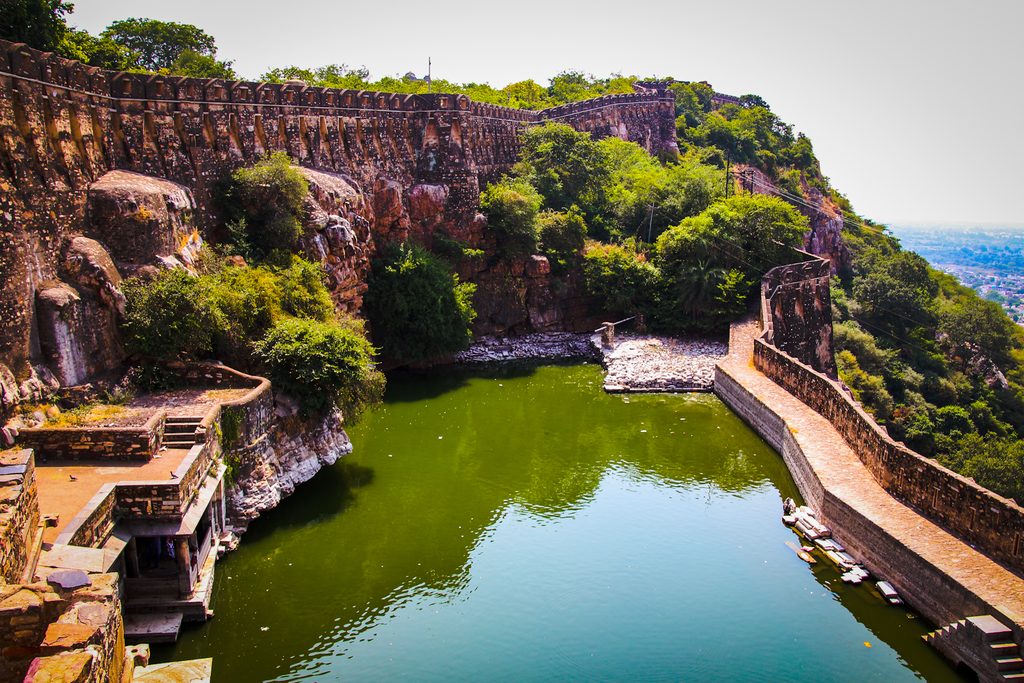
    A deep tank filled by a spring coming from a ‘cow mouth‘, situated at the edge of the cliff. It is considered sacred by the locals.

    Ratan Singh Palace

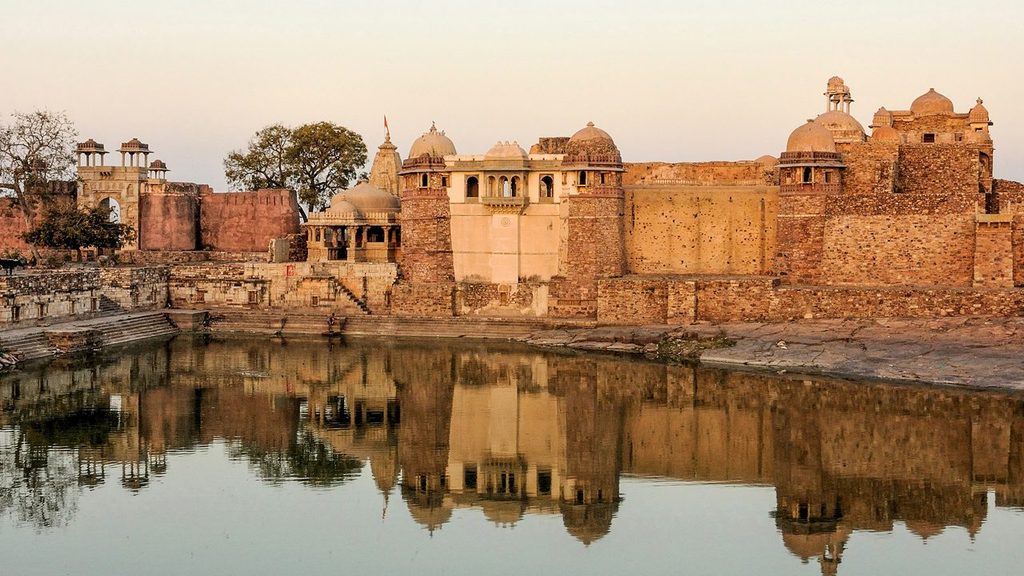
    Located near the Padmavati Palace, it offers stunning views of the city and is an important historical site.

    Cultural Insights

    Chittorgarh is a melting pot of Rajasthani culture. The city comes alive during festivals like Mewar Festival and Teej. Traditional Rajasthani cuisine, colorful handicrafts, and folk music and dances are integral to the city’s cultural fabric.

    Travel Tips

    • Best Time to Visit: The ideal time to visit Chittorgarh is from October to March when the weather is pleasant.
    • Getting There: Chittorgarh is well-connected by road, rail, and the nearest airport is in Udaipur, about 70 km away.
    • Accommodations: From heritage hotels to budget stays, Chittorgarh offers a range of accommodations to suit every traveler.
    • Local Transport: Local buses, auto-rickshaws, and taxis are available for getting around the city.

    Local Cuisine and Shopping

    A trip to Chittorgarh is incomplete without indulging in the local Rajasthani cuisine. The city offers a plethora of dishes that tantalize the taste buds, with specialties like Dal Baati Churma, Gatte ki Sabzi, and Ker Sangri. Street food lovers should try Pyaaz Kachori and Mirchi Bada. For shopping enthusiasts, Chittorgarh is a treasure trove of handicrafts, fabrics, and jewelry. The Sadar Bazaar, Rana Sanga Market, and Fort Road Market are popular shopping destinations.

    Offbeat Attractions

    1. Bassi wildlife sanctuary

    A short drive from Chittorgarh, this sanctuary is a haven for nature lovers and bird watchers.

    2. Sanwariyaji Temple

    Located on the Chittorgarh-Udaipur highway, this temple dedicated to Lord Krishna is a significant pilgrimage site.

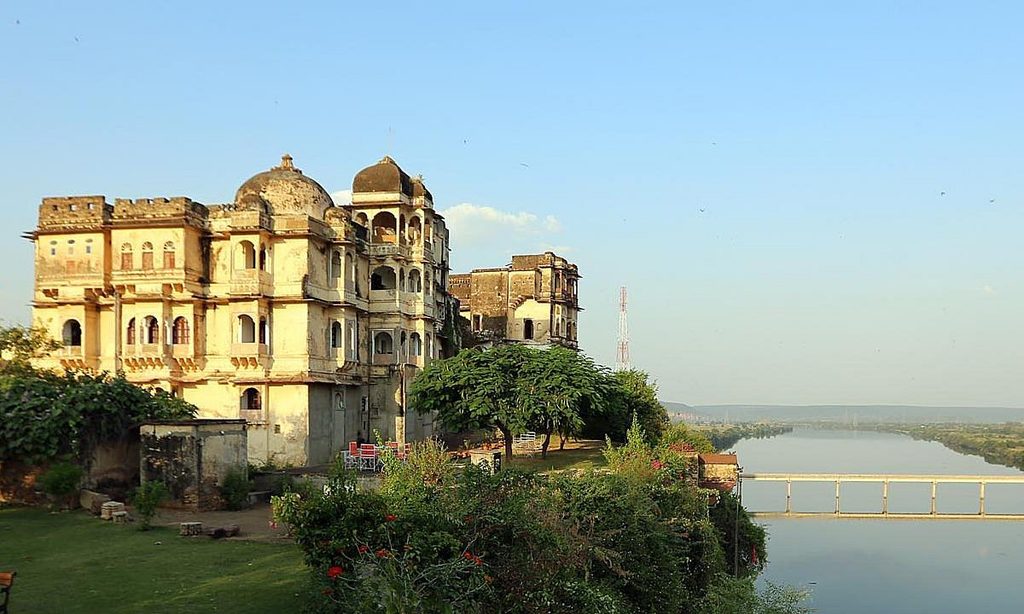
    3. Bhainsrorgarh Fort

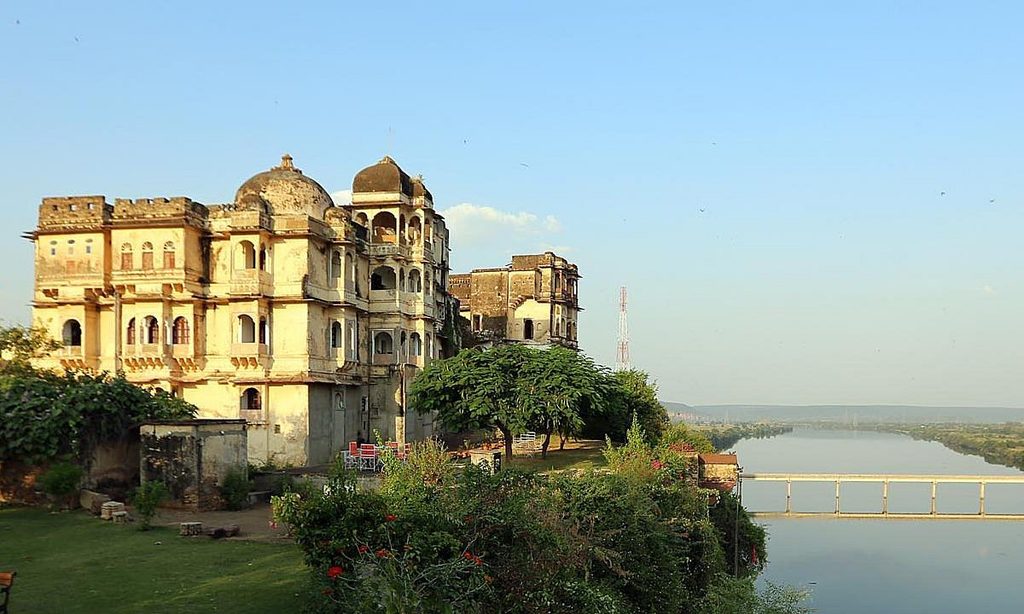
    Overlooking the Chambal River, this fort offers a serene and picturesque view, ideal for photographers and history buffs.

    4. Sitamata Wildlife Sanctuary

    Home to a diverse range of flora and fauna, this sanctuary also holds mythological significance, believed to be the place where Goddess Sita stayed during her exile.

    Cultural Experiences

    To truly immerse in the local culture, visitors can engage in various experiences:

    Folk Performances

    Attend a traditional Rajasthani folk music and dance performance, which often takes place in the city’s heritage hotels and cultural centers.

    Craft Workshops

    Participate in workshops to learn about and create traditional Rajasthani crafts like puppet-making and fabric painting.

    Events and Festivals

    Chittorgarh’s calendar is dotted with vibrant festivals:

    • Jauhar Mela: Held annually to honor the bravery of the ancestors and the spirit of Rajput heroes.
    • Gangaur Festival: A colorful celebration dedicated to Goddess Gauri, marked by processions and cultural programs.

    Practical Information

    • Language: The primary language is Hindi, but English is understood in tourist areas.
    • Safety: Chittorgarh is generally safe for tourists, but standard precautions for personal safety and belongings should be taken.
    • Connectivity: Most hotels and cafes offer Wi-Fi; mobile connectivity is good throughout the city

    Conclusion

    Chittorgarh, with its rich history, vibrant culture, and breathtaking architecture, offers an unforgettable experience to its visitors. Whether it’s exploring ancient ruins, enjoying local delicacies, or witnessing the colorful festivals, the city has something for everyone. A journey to Chittorgarh is not just a trip to a destination; it’s a voyage into the heart of Rajasthan’s royal heritage, a narrative of heroism and pride that continues to resonate through the ages.

    For anyone looking to delve into the heart of Rajasthani heritage, Chittorgarh is a must-visit. Its enduring spirit and timeless allure make it a jewel in the crown of Rajasthan’s rich historical landscape.

  • History of Sanwariya Ji Temple

    History of Sanwariya Ji Temple

    The History and Guide to Sanwariya Ji Temple in Chittorgarh

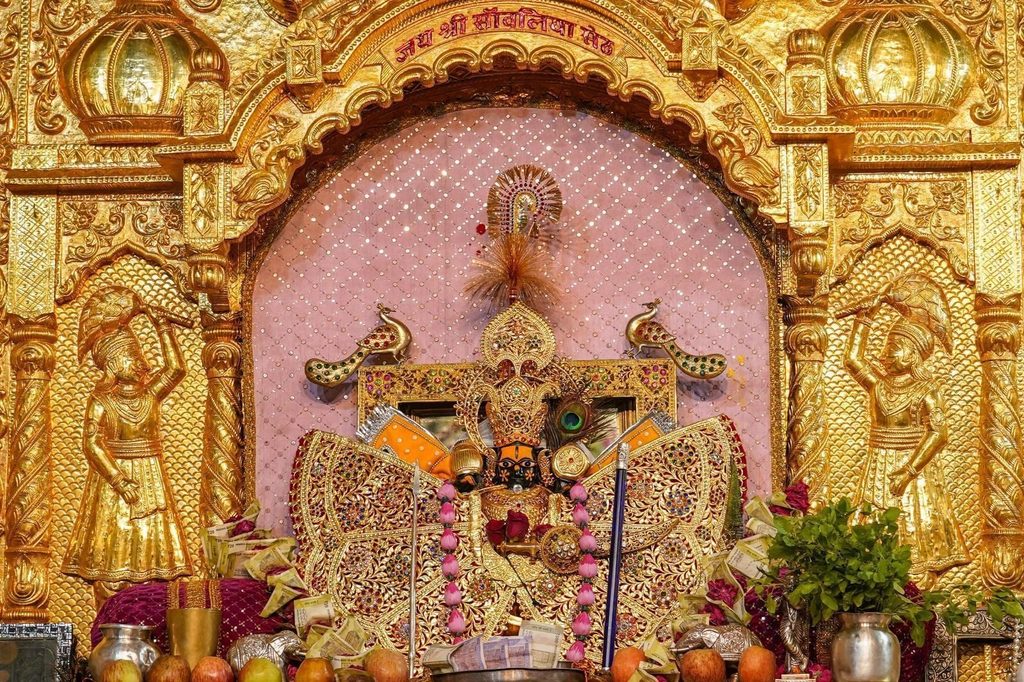
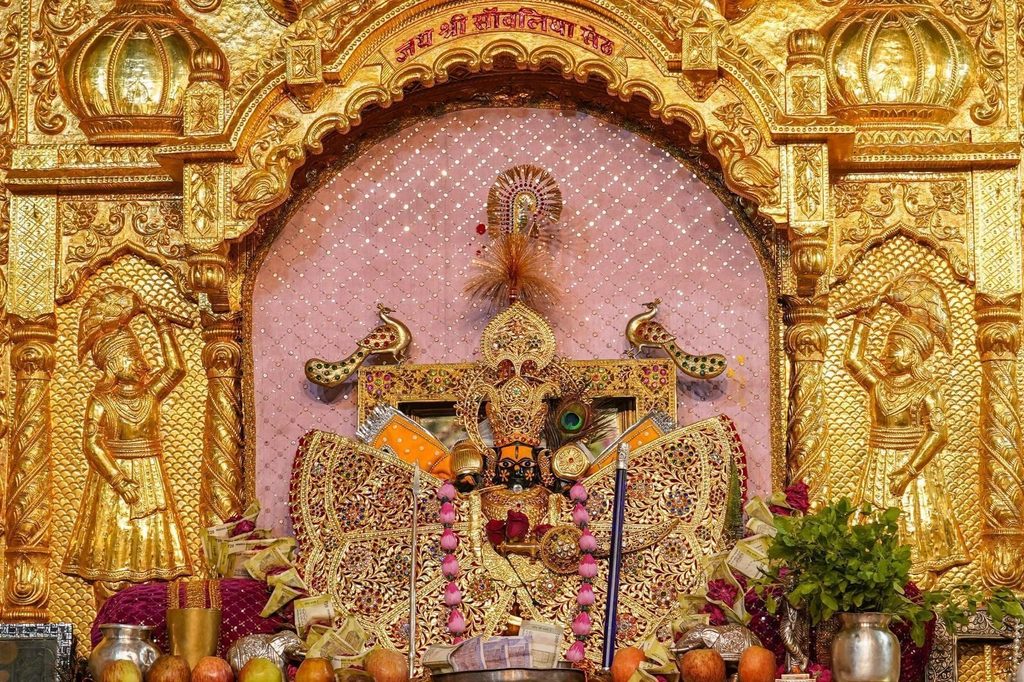
    Sanwariya Ji Temple, located in the Chittorgarh district of Rajasthan, is one of the most revered temples dedicated to Lord Krishna. This temple attracts thousands of devotees from all over India who come to seek blessings and experience the divine presence of Shri Sanwariya Seth, an incarnation of Lord Krishna. The temple is famous for its unique black idol of Lord Krishna, which is believed to fulfill the wishes of devotees.

    The origins of the Sanwariya Ji Temple date back to the early 19th century when three divine idols of Lord Krishna were discovered buried in the Bhadsoda-Bagund area near Chittorgarh. These idols were later installed in three different temples, with one placed at Mandaphia, which is now the main Sanwariya Ji Temple. Over the years, the temple has grown into a major pilgrimage site, often compared to Shrinathji of Nathdwara due to its deep spiritual significance and vibrant religious activities.

    Distance of Sanwariya ji Temple from Chittorgarh

    Sanwariya Ji Temple is located approximately 40 km from Chittorgarh, making it an easy and convenient visit for pilgrims and tourists.

    Distance of Sanwariya ji Temple from Udaipur

    The temple is about 110 km from Udaipur, a popular tourist destination known for its lakes and palaces.

    How to Reach Sanwariya Ji Temple

    From Chittorgarh

    1. By Road: The temple is well connected by road, and visitors can take a private taxi, cab, or state-run buses from Chittorgarh to reach the temple within an hour.
    2. By Train: Chittorgarh has a well-connected railway station, and from there, one can hire a taxi or take a bus to reach the temple.

    From Udaipur

    1. By Road: Regular buses and taxis are available from Udaipur to Sanwariya Ji Temple. The journey takes approximately 2 to 2.5 hours.
    2. By Train: Udaipur also has a railway station with good connectivity. From Udaipur Railway Station, you can hire a taxi to reach the temple.

    Sanwariya Ji Temple Timings and Best Time to Visit

    • Temple Open Timings: The temple opens early in the morning and remains accessible to devotees throughout the day. The general schedule is as follows:
      • Mangala Aarti: 5:30 AM
      • Shringar Aarti: 7:30 AM
      • Rajbhog Aarti: 11:00 AM
      • Sandhya Aarti: 6:30 PM
      • Shayan Aarti: 10:00 PM
    • Best Time to Visit: While the temple is open throughout the year, the best time to visit is during major festivals such as Janmashtami, Holi, and Diwali, when the temple is beautifully decorated and special prayers are conducted.

    Other Attractions Near Sanwariya Ji Temple

    If you are planning to visit Sanwariya Ji Temple, you may also want to explore nearby attractions:

    • Chittorgarh Fort: A UNESCO World Heritage Site, about 40 km away.
    • Ranakpur Jain Temple: Known for its intricate architecture, approximately 160 km away.
    • Nathdwara: Home to the famous Shrinathji Temple, about 100 km from Sanwariya Ji Temple.

    Conclusion

    Sanwariya Ji Temple is a must-visit spiritual destination in Rajasthan. With its deep historical roots, divine significance, and easy accessibility from Chittorgarh and Udaipur, it continues to be a beacon of faith for millions. Whether you are visiting for religious purposes or to explore Rajasthan’s cultural heritage, a trip to Sanwariya Ji Temple will undoubtedly be a fulfilling experience.
  • Legends of Chittorgarh: Unraveling the Heroic Tales of Rajput Valor and Sacrifice

    Legends of Chittorgarh: Unraveling the Heroic Tales of Rajput Valor and Sacrifice

    Chittorgarh, one of the most iconic cities of Rajasthan, is not just known for its massive fort and stunning architecture, but also for the powerful legends that echo through its walls. These tales are more than just stories—they are a reflection of the valor, sacrifice, honor, and unshakable spirit of the Rajput rulers and their people. The Fort of Chittorgarh, a UNESCO World Heritage Site, stands as a living chronicle of heroism, bloodshed, and legacy.

    In this article, we delve into the most legendary stories of Chittorgarh that continue to fascinate historians, travelers, and cultural enthusiasts alike.

    1. The Legend of Rani Padmini and the Jauhar of Chittor

    Perhaps the most well-known tale is that of Rani Padmini, the beautiful queen of Rana Ratan Singh. Her beauty and valor became legendary across the subcontinent. According to folklore, Sultan Alauddin Khilji, upon hearing tales of her beauty, marched to Chittorgarh to capture her. When diplomacy failed, a fierce battle ensued.

    Rather than surrendering to the invader, Rani Padmini led thousands of Rajput women into the fire in a ritual known as Jauhar, choosing death over dishonor. The bravery of Rani Padmini symbolizes Rajput pride and female valor and remains deeply revered in Rajasthan’s collective memory.

    2. The Tale of Maharana Pratap: The Lion of Mewar

    Another celebrated legend associated with Chittorgarh is that of Maharana Pratap, the indomitable warrior who refused to submit to the Mughal Empire. Although Udaipur later became his capital, his roots were in Chittorgarh.

    The epic Battle of Haldighati between Maharana Pratap and the Mughal forces under Man Singh is a highlight of this story. Even after facing immense hardships, Maharana Pratap never bowed down. His loyal horse, Chetak, is equally legendary, known for his fierce loyalty and sacrifice.

    3. The Siege of Chittorgarh by Bahadur Shah

    Chittorgarh faced its second major siege in 1535 when Bahadur Shah of Gujarat attacked the fort. After a prolonged battle, once again, the fort’s defenders chose death over disgrace. Rani Karnavati, a widowed queen, performed Jauhar along with thousands of other women, while the men marched into battle to certain death.

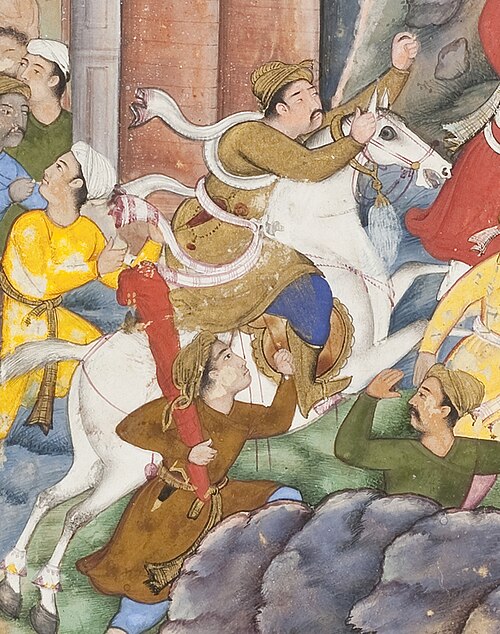
    This legend also includes the famous incident of Rani Karnavati sending a rakhi to Mughal Emperor Humayun, seeking protection—a tale that adds a dimension of emotional depth and drama to the legend of Chittorgarh.

    4. The Story of Jaimal and Patta: Teenage Warriors of Honor

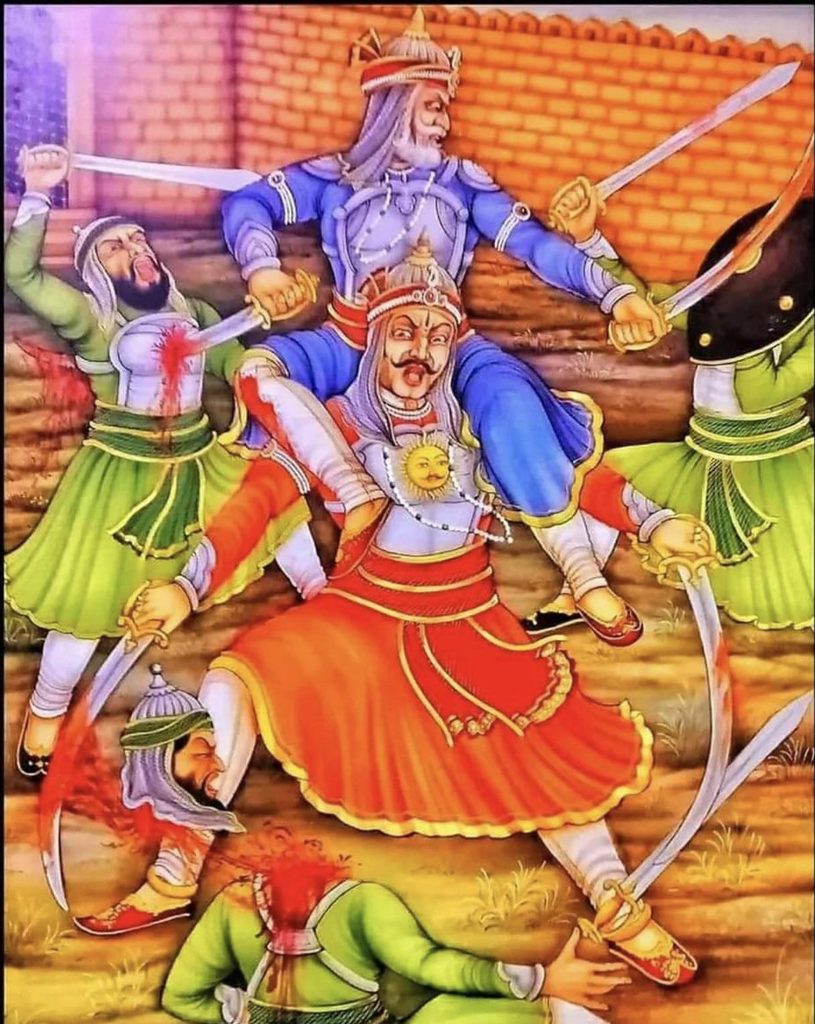
    During the third siege of Chittorgarh by Akbar in 1567, two young warriors, Jaimal Rathore and Patta Sisodia, defended the fort bravely. Their resistance is etched into local folklore for their incredible bravery at such a young age.

    Statues of Jaimal and Patta on horseback guard the entrance of Chittorgarh Fort to this day, symbolizing youthful courage and sacrifice in defense of their land and people.

    5. The Bhakti Movement and Meera Bai

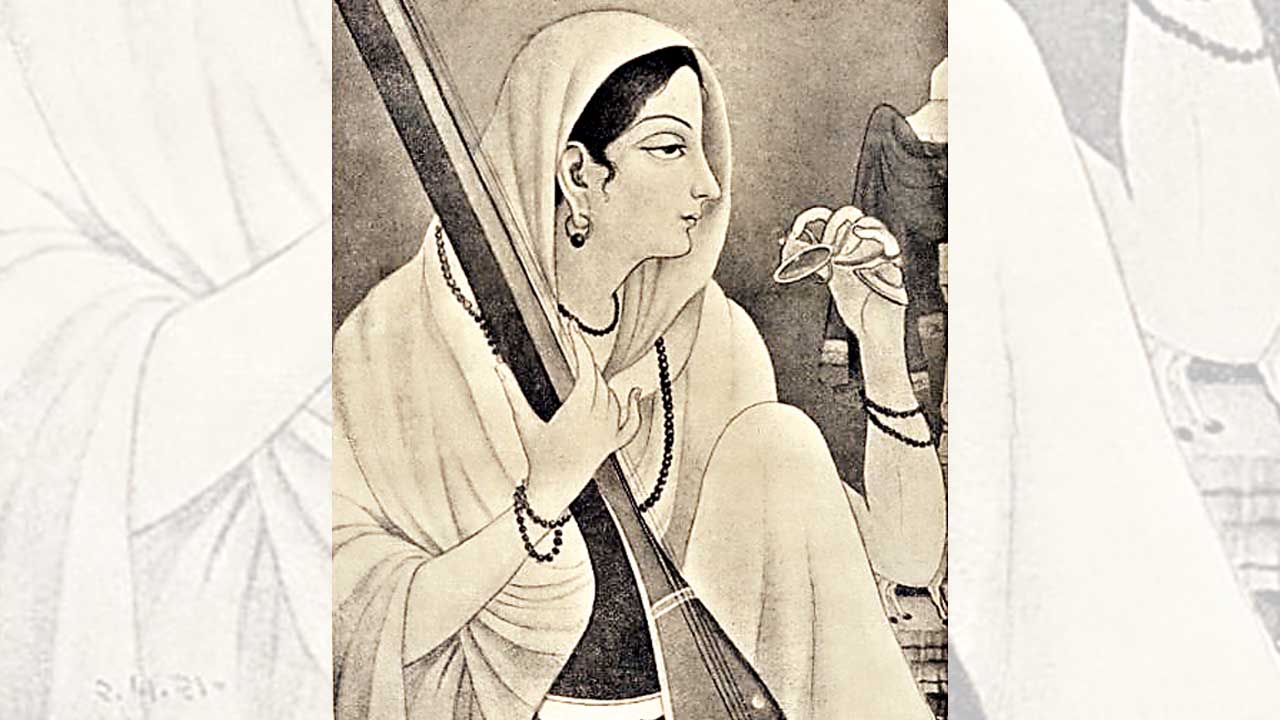
    Chittorgarh is also home to the legend of Meera Bai, the 16th-century poet-saint and a princess of Mewar. A devout follower of Lord Krishna, Meera’s spiritual journey and poetic compositions became a cornerstone of the Bhakti movement in India.

    Despite facing opposition from her own royal family due to her devotion, she continued her path of divine love. The Meera Temple inside the fort is a must-visit site for anyone interested in spirituality and poetry.

    Why These Legends Matter Today

    These stories aren’t just relics of the past. They are deeply ingrained in the cultural fabric of Rajasthan and serve as timeless reminders of the values of honor, sacrifice, and resistance against tyranny.

    Tourists flock to Chittorgarh not just to witness the majestic stone walls of the fort but also to stand where history was made—to walk the paths of warriors, queens, saints, and visionaries.


    Must-Visit Sites Related to These Legends

    • Rani Padmini’s Palace – A serene yet haunting place linked to her tragic tale.
    • Vijay Stambh (Tower of Victory) – Built by Rana Kumbha to commemorate his victories.
    • Kirti Stambh (Tower of Fame) – An important Jain monument inside the fort.
    • Meera Temple – A peaceful shrine dedicated to the poet-saint.
    • Gaumukh Reservoir – A natural spring with historical significance.

    Conclusion

    The legends of Chittorgarh are more than just myth or history—they are emotional narratives that define the Rajput identity and inspire millions. From the fearless queen Rani Padmini to the lionhearted Maharana Pratap, every stone of Chittorgarh tells a tale of incredible valor.

    If you’re a traveler, historian, or cultural enthusiast, Chittorgarh is a place where stories breathe and the

  • Hidden Gems Around Chittorgarh You Shouldn’t Miss

    Hidden Gems Around Chittorgarh You Shouldn’t Miss

    Chittorgarh, a city steeped in history and valor, is one of Rajasthan’s most iconic destinations. While the majestic Chittorgarh Fort, a UNESCO World Heritage Site, often steals the spotlight, the areas surrounding the city are dotted with lesser-known yet equally fascinating treasures. These hidden gems, ranging from serene temples and ancient ruins to quaint villages and unexplored natural retreats, provide travelers with a deeper, more authentic experience of Rajasthan’s cultural richness. If you’re planning a visit to Chittorgarh, make sure to step off the beaten path and explore these captivating locales around the city.

    1. Menal – The Miniature Khajuraho

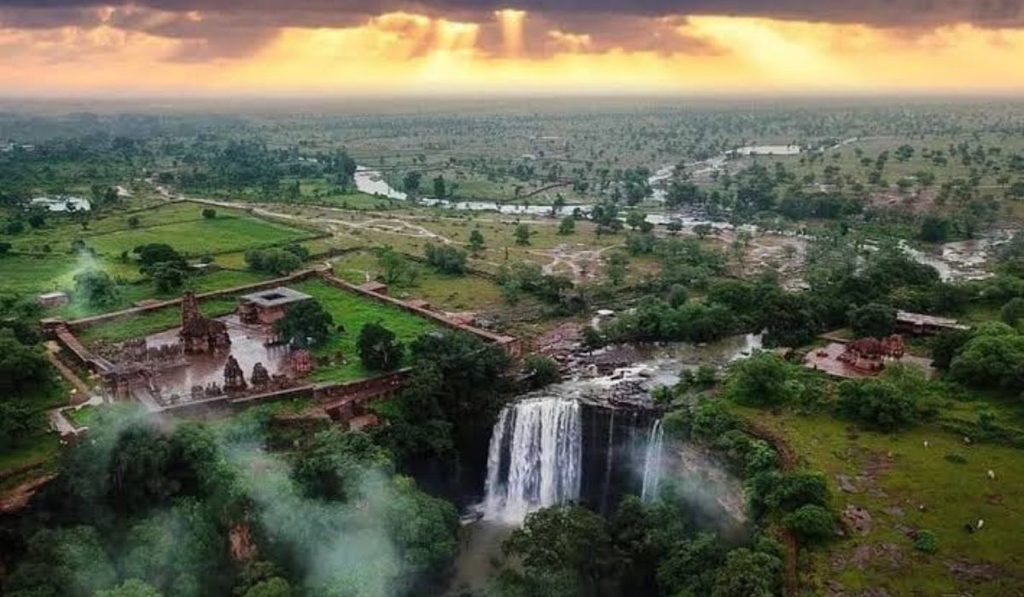
    Located about 90 kilometers from Chittorgarh on the Chittorgarh–Bundi road, Menal is often referred to as the “Khajuraho of Rajasthan” due to its erotic sculptures and temple architecture reminiscent of the Khajuraho temples in Madhya Pradesh. The ancient temples of Menal date back to the 11th and 12th centuries and are surrounded by dense forests and a scenic waterfall, making it an ideal mix of history and nature.

    The centerpiece is the Menal Shiva Temple, dedicated to Lord Shiva and built by King Someshwar. The temple’s intricate carvings, peaceful environment, and roaring waterfall during the monsoon season make it a hidden gem for history buffs and nature lovers alike.

    Best time to visit: July to September (for the waterfall), October to March (for pleasant weather)

    2. Sanwariyaji Temple – The Krishna Shrine with a Twist

    Around 40 kilometers from Chittorgarh lies the revered Sanwariyaji Temple, dedicated to Lord Krishna in his dark (Sanwariya) avatar. Unlike the more polished and structured temples of Nathdwara or Vrindavan, Sanwariyaji offers a rustic, earthy charm that adds to its spiritual appeal.

    Pilgrims and devotees believe the idol of Sanwariyaji has miraculous powers, drawing thousands of visitors, especially on special religious occasions. The local bazaar near the temple offers authentic Rajasthani items, sweets, and souvenirs.

    Why it’s a hidden gem: Despite its religious significance, it remains less commercialized, giving visitors an unfiltered spiritual experience.

    3. Nagari – The Forgotten Ancient Town

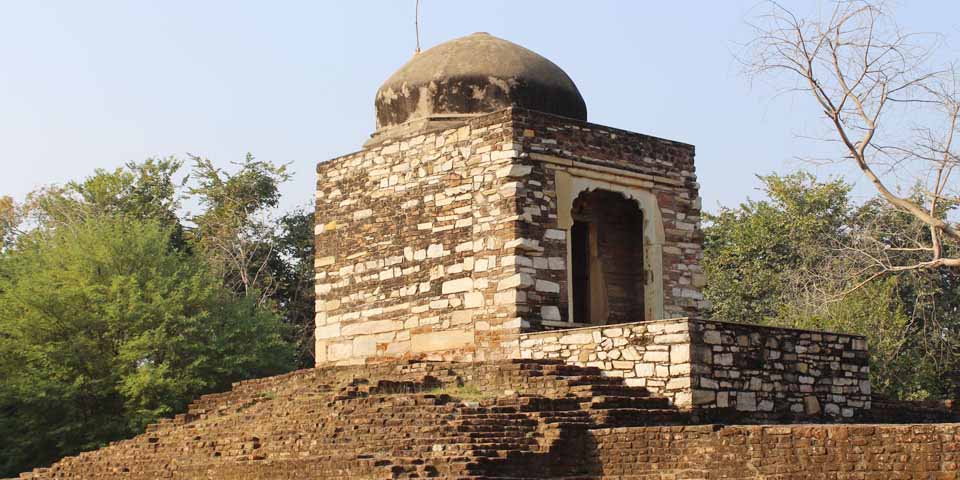
    Situated about 20 kilometers north of Chittorgarh, Nagari was once one of the most prominent cities in Rajasthan during the Mauryan period. Known historically as “Madhyamika,” the town is of immense archaeological importance. Excavations here have uncovered ancient inscriptions, coins, and remnants of Buddhist stupas, Jain temples, and Hindu shrines, highlighting its multi-religious past.

    The small museum and the ruins scattered around offer a quiet but profound journey through time. Nagari is perfect for travelers keen on exploring Rajasthan’s ancient history beyond its forts and palaces.

    4. Bassi Wildlife Sanctuary – A Peaceful Escape into the Wild

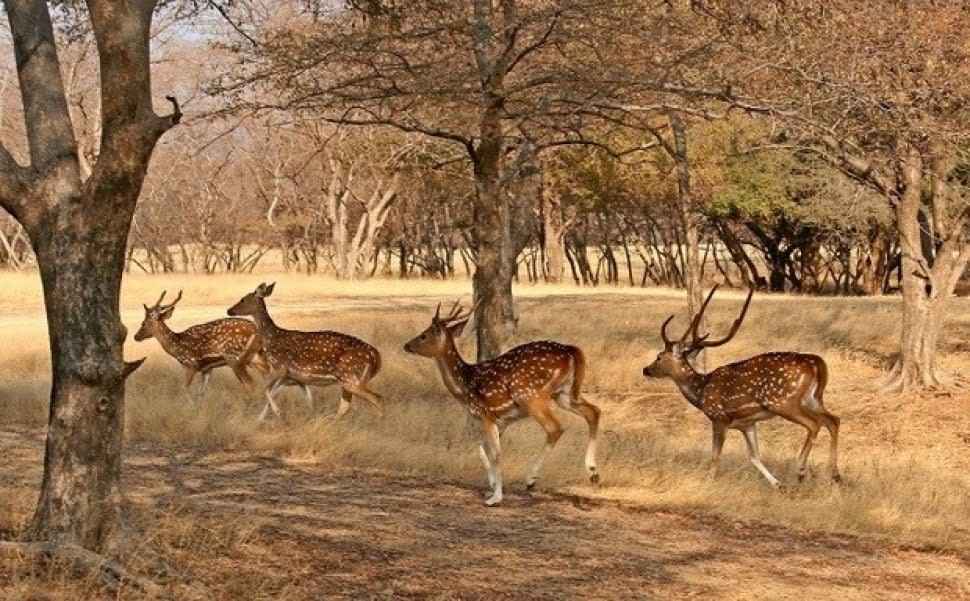
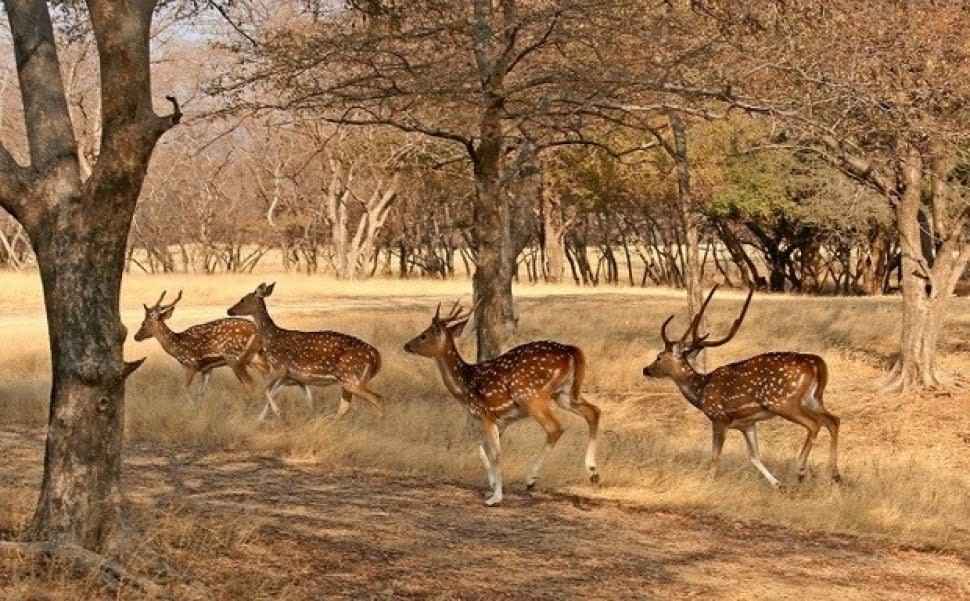
    For those who seek nature and tranquility, the Bassi Wildlife Sanctuary, located about 25 kilometers from Chittorgarh, is a true hidden treasure. This protected area is spread over 15,000 hectares and is home to a variety of animals including panthers, wild boars, antelopes, and numerous bird species.

    The sanctuary also encompasses the Orai and Bassi dams, which provide excellent picnic spots and birdwatching opportunities. Unlike the more popular Ranthambore or Sariska, Bassi offers solitude and unspoiled wilderness.

    Tip: You need prior permission from the forest department for entry, so plan accordingly.

    5. Sitamata Wildlife Sanctuary – Mythology and Nature Intertwined

    Located about 90 km from Chittorgarh in the Pratapgarh district, the Sitamata Wildlife Sanctuary is not only a haven for nature enthusiasts but also has a strong mythological connection. It is believed that Goddess Sita spent her exile in this forest, which adds a layer of reverence to its natural beauty.

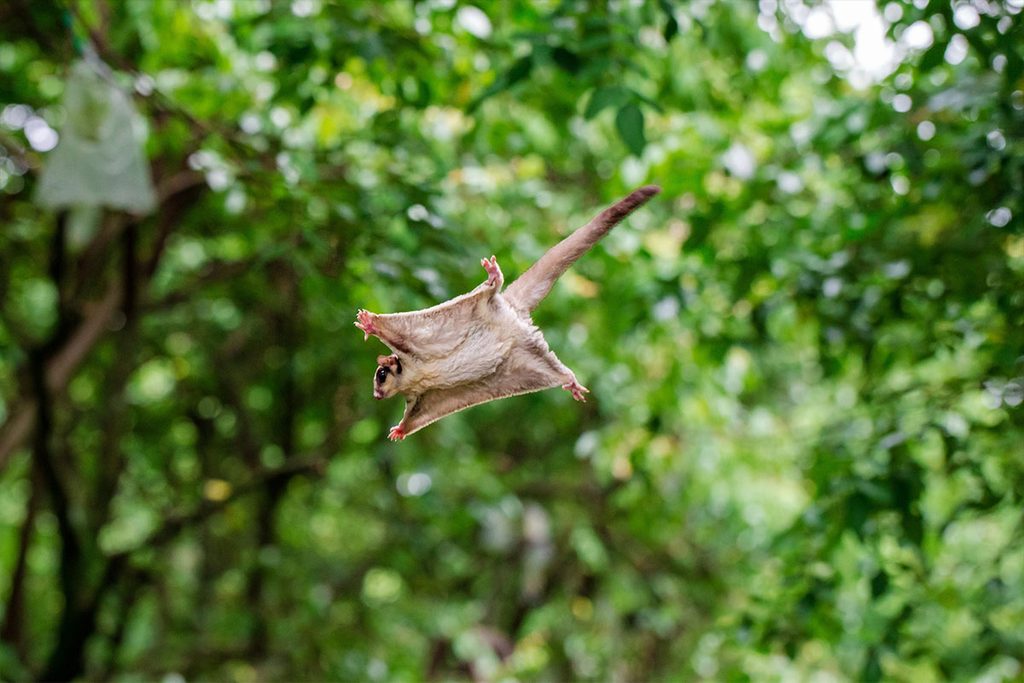
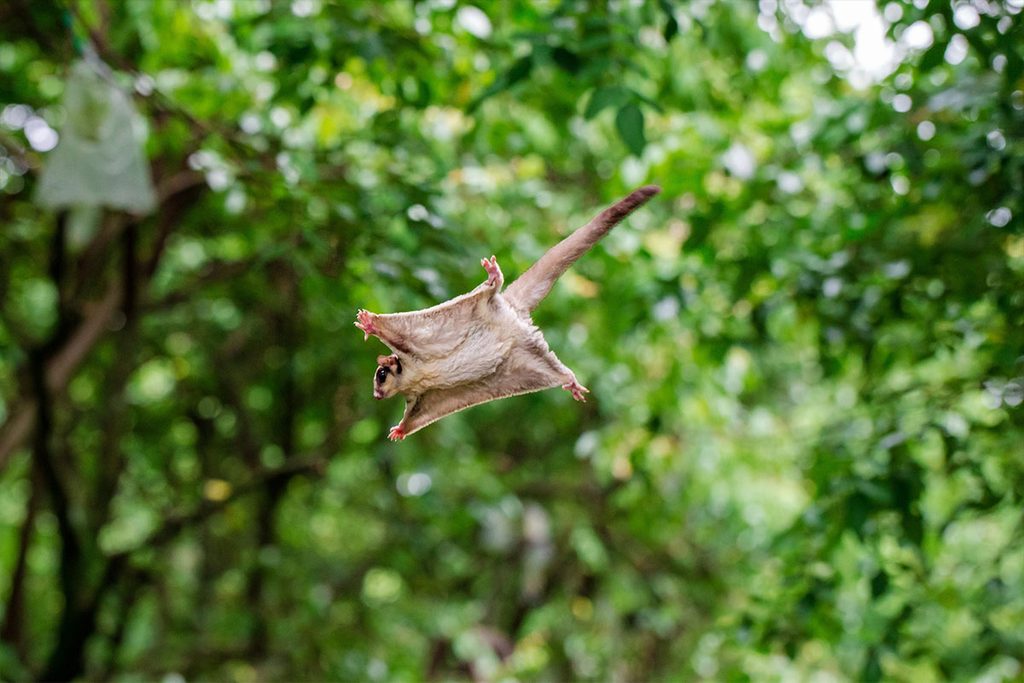
    The sanctuary is known for its rich biodiversity, especially the elusive flying squirrel and rare medicinal plants. The forested area, gushing rivers, and tribal settlements make this sanctuary an offbeat experience worth having.

    6. Baroli Temples – An Architectural Marvel

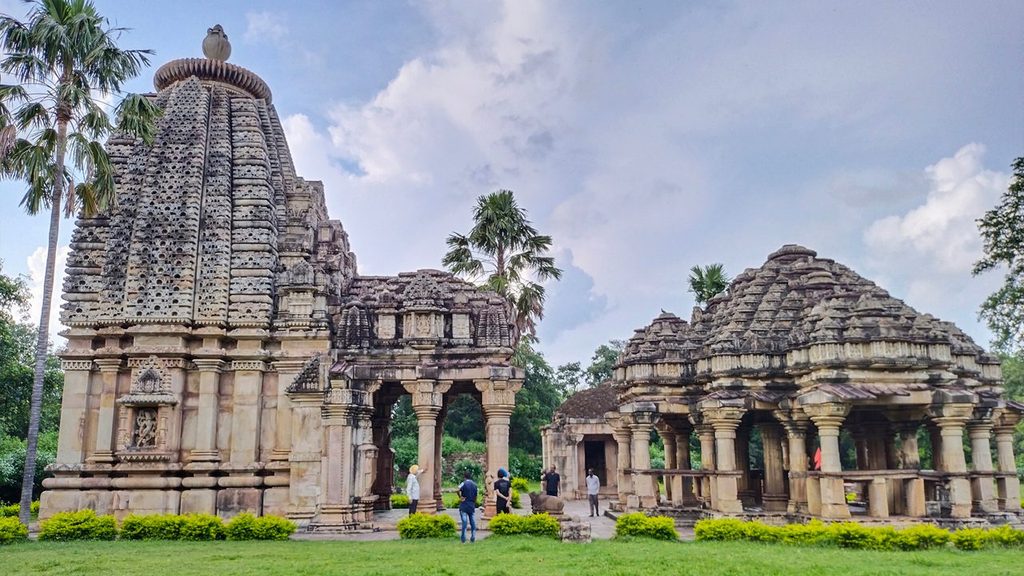
    About 110 km away near Rawatbhata, in the Baran district, lies a complex of ancient temples known as the Baroli or Badoli Temples. These temples date back to the 9th century and reflect early Gurjara-Pratihara architectural styles.

    Dedicated mainly to Lord Shiva and Vishnu, the temples are relatively unknown to most tourists, making them ideal for photography, meditation, and exploration. The quiet surroundings, lush greenery, and detailed stonework give it a mystical aura.

    Pro tip: Combine this trip with a visit to the Rana Pratap Sagar Dam nearby for a full-day excursion.

    7. Ratan Singh Palace – The Overlooked Historic Site

    While most visitors focus on the grand Rana Kumbha Palace or Padmini Palace inside the Chittorgarh Fort, the Ratan Singh Palace, located on the eastern side of the fort complex near Ratneshwar Talab, often gets overlooked.

    This palace offers stunning views, serene surroundings, and fewer crowds. The fortifications, temple inside the palace, and the adjacent water body make it a picturesque yet peaceful spot ideal for a quiet exploration of royal Rajput architecture

    8. Bhainsrorgarh – Riverside Royalty

    Just a two-hour drive from Chittorgarh, Bhainsrorgarh Fort stands majestically on a cliff overlooking the Chambal River. This stunning site, surrounded by water on three sides, offers breathtaking panoramic views.

    Today, part of the fort is converted into a heritage hotel. Staying here allows you to experience regal hospitality, serene riverside sunsets, and local village culture. Unlike popular tourist hubs, Bhainsrorgarh offers exclusivity and tranquility—perfect for a romantic getaway or a reflective retreat.

    9. Deogarh – A Royal Town Untouched by Time

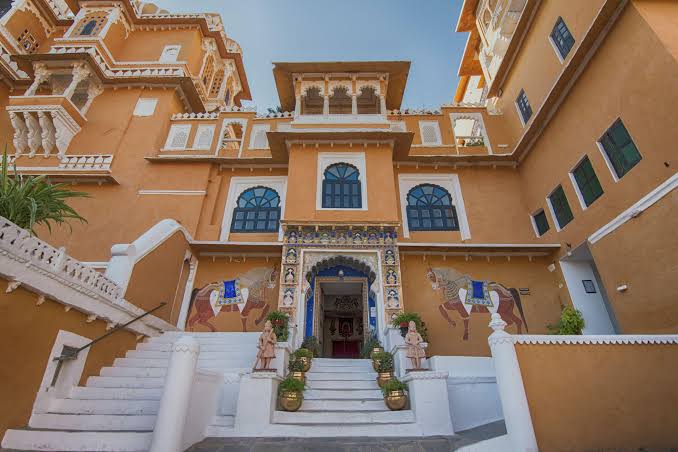
    Around 130 kilometers from Chittorgarh, the town of Deogarh is known for its palace, fresco paintings, and peaceful vibe. Deogarh Mahal, now a heritage hotel, is a sprawling complex offering a unique stay experience with traditional Rajasthani charm.

    The nearby Dashavatar Temple, dedicated to Lord Vishnu and built in the Gupta era, is an architectural and historical wonder, with detailed carvings and a timeless feel.

    Final Thoughts

    While Chittorgarh Fort and its immediate attractions are undoubtedly remarkable, the region’s true charm lies in these hidden gems waiting to be explored. Whether you’re a history enthusiast, a nature lover, a spiritual seeker, or a curious wanderer, the surroundings of Chittorgarh offer an incredible array of experiences that go beyond the guidebooks.

    Exploring these lesser-known places gives you a deeper understanding of the region’s historical layers, mythological roots, and natural beauty. They also allow for more intimate and personal encounters with Rajasthan’s culture, far from the crowds and commercialization of major tourist hubs.

    So, the next time you’re in Chittorgarh, go beyond the fort walls and discover the stories etched in stone, whispered by the rivers, and sung by the winds of these hidden gems.

  • Meera Temple Chittorgarh: The Sacred Legacy of Rajasthan’s Devoted Saint

    Meera Temple Chittorgarh: The Sacred Legacy of Rajasthan’s Devoted Saint

    Discover the profound spiritual heritage of Rajasthan at the Meera Temple in Chittorgarh, a unique pilgrimage site dedicated to the legendary Rajput princess and saint, Meera Bai. Revered for her unwavering devotion to Lord Krishna, Meera Bai’s legacy continues to inspire devotees and tourists alike.

    The Historical and Cultural Significance of Meera Temple in Chittorgarh

    Built in the 16th century under the reign of Rana Kumbha, the Meera Temple Chittorgarh stands as a remarkable example of Indo-Aryan architecture and Rajput heritage. This temple is distinctively dedicated to Meera Bai’s spiritual journey rather than just to Lord Krishna, highlighting her role as one of Rajasthan’s most beloved devotional figures.

    The temple features a unique carving symbolizing unity across caste and creed — five human bodies sharing a common head — reflecting Meera Bai’s inclusive philosophy and deep spirituality. It remains a vital pilgrimage destination for followers of Meera Bai’s bhajans and those interested in Rajasthan’s rich cultural tapestry.

    Visiting the Meera Bai Temple in Rajasthan

    Situated within the historic Chittorgarh Fort, the Meera Temple Rajasthan is easily accessible for travelers arriving by road, rail, or bus. Tourists are best advised to visit during cooler months, from October to March, to fully enjoy the serene atmosphere and explore the temple’s beautiful carvings and peaceful surroundings.

    Nearby attractions include other famous sites within Chittorgarh Fort, such as Vijay Stambh and Kirti Stambh, making it a perfect cultural excursion for history and spirituality enthusiasts.

    Why the Meera Temple in Chittorgarh is a Must-Visit Destination

    • Unique dedication to Meera Bai, a symbol of devotional love and poetry
    • Architectural and historical significance as part of the Chittorgarh Fort complex
    • A place of spiritual inspiration through Meera Bai’s timeless bhajans and teachings
    • Ideal spot for cultural tourism in Rajasthan with rich legends of Rajput valor

    Conclusion

    The Meera Temple in Chittorgarh not only honors the life of one of India’s greatest saints but also invites visitors into a world of history, culture, and spiritual depth. Whether you are a pilgrim seeking divine inspiration or a traveler exploring Rajasthan’s heritage, the Meera Temple offers an unforgettable experience steeped in love and devotion.