Category: Temples

  • Places to Visit in Chittorgarh — Top Attractions & Travel Guide

    Places to Visit in Chittorgarh — Top Attractions & Travel Guide

    Chittorgarh, the land of valor and sacrifice, stands as one of Rajasthan’s most iconic destinations. Known for its mighty fortresses, heroic tales of Rajputana pride, and architectural grandeur, Chittorgarh is a living museum of Indian history.
    If you’re planning a trip, this detailed guide by India Darpan lists the must-visit places in Chittorgarh, complete with travel tips, timings, and hidden gems to help you make the most of your journey.

    Chittorgarh Fort — The Pride of Rajasthan

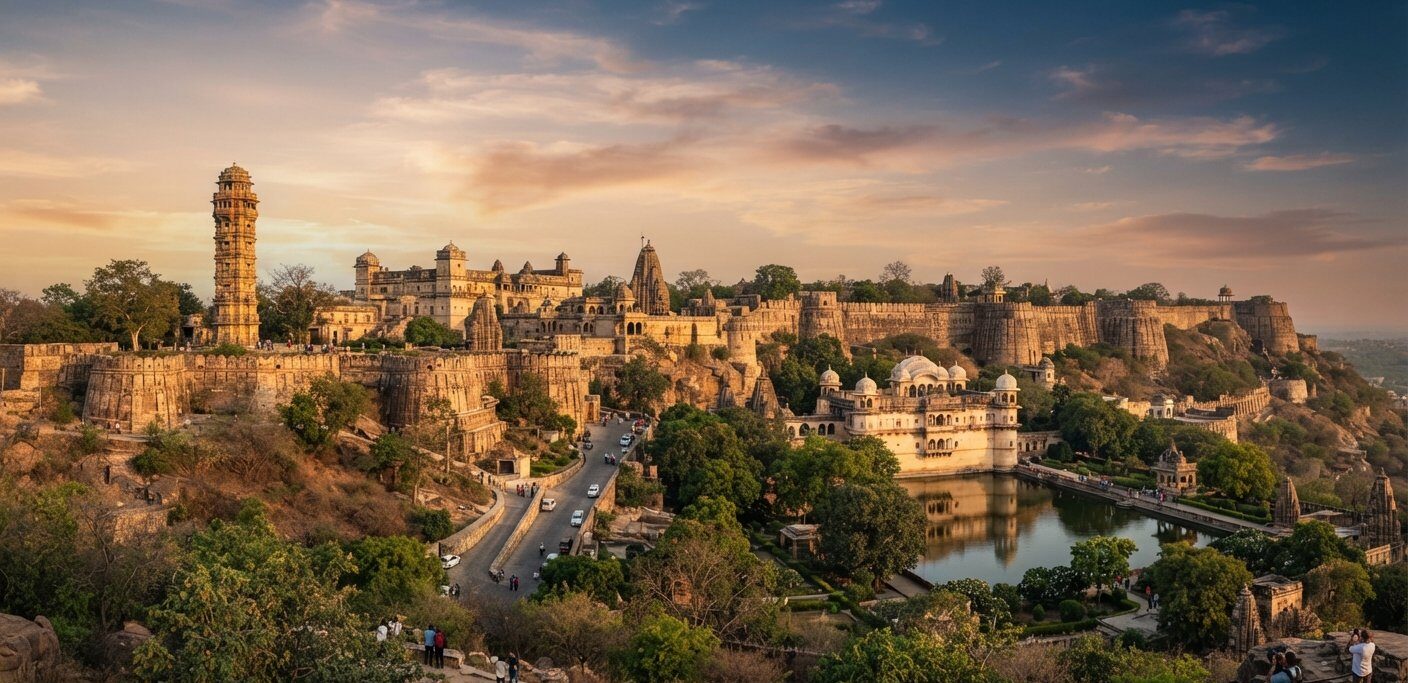
    Perched majestically atop a 590-foot hill and spread across 700 acres, Chittorgarh Fort is the largest fort in India and a UNESCO World Heritage Site. This colossal fortress narrates stories of courage, devotion, and sacrifice from the Rajput era.

    Main Attractions within the Fort:

    • Vijay Stambh (Tower of Victory)
    • Kirti Stambh (Tower of Fame)
    • Rana Kumbha Palace
    • Padmini Palace
    • Meera Temple
    • Kalika Mata Temple
    • Gau Mukh Kund

    Timings: 9:00 AM – 6:00 PM
    Entry Fee: ₹50 (Indian nationals), ₹200 (foreigners)
    Tip: Visit early morning or around sunset for breathtaking panoramic views

    Vijay Stambh — The Tower of Victory
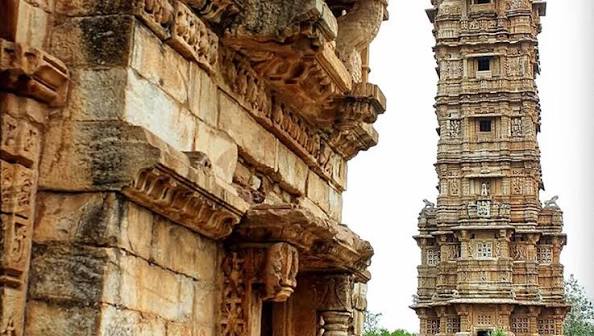
    Built by Maharana Kumbha in the 15th century to commemorate his victory over Mahmud Khilji, Vijay Stambh stands as a proud symbol of Chittorgarh’s heroism. The intricately carved nine-story tower offers an incredible bird’s-eye view of the fort and city.

    Highlights: Carvings depict Hindu deities and battle scenes.
    Tip: Climb up just before sunset for the best photography light.

    157 feet tall, with 157 steps leading to the top.Vijay Stambha

    Kirti Stambh — Tower of Fame
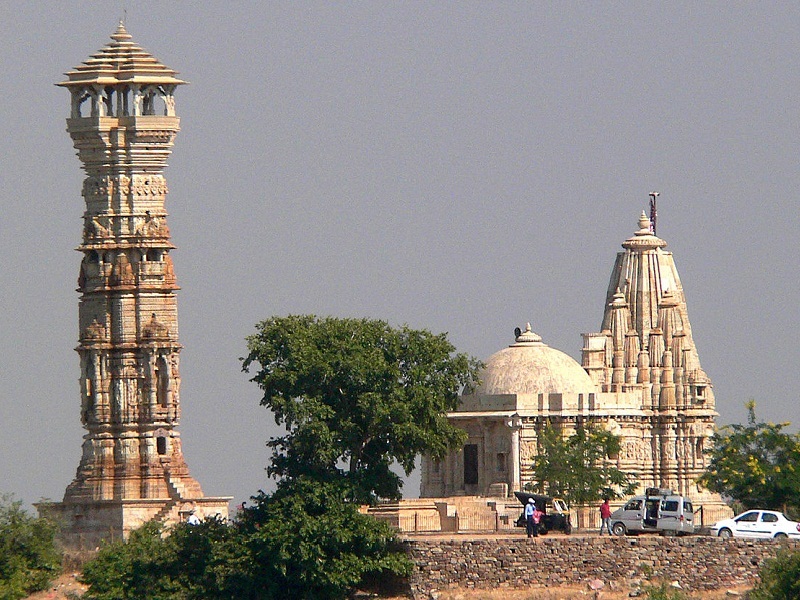
    Smaller but older than Vijay Stambh, the Kirti Stambh was built by a Jain merchant in honor of Adinath, the first Tirthankara. Its Jain-style carvings and peaceful surroundings make it a favorite among spiritual travelers.

    Timings: 9:00 AM – 6:00 PM
    Entry: Included with fort ticket
    Best for: Jain pilgrims and lovers of ancient architecture.

    Rana Kumbha Palace — The Royal Residence
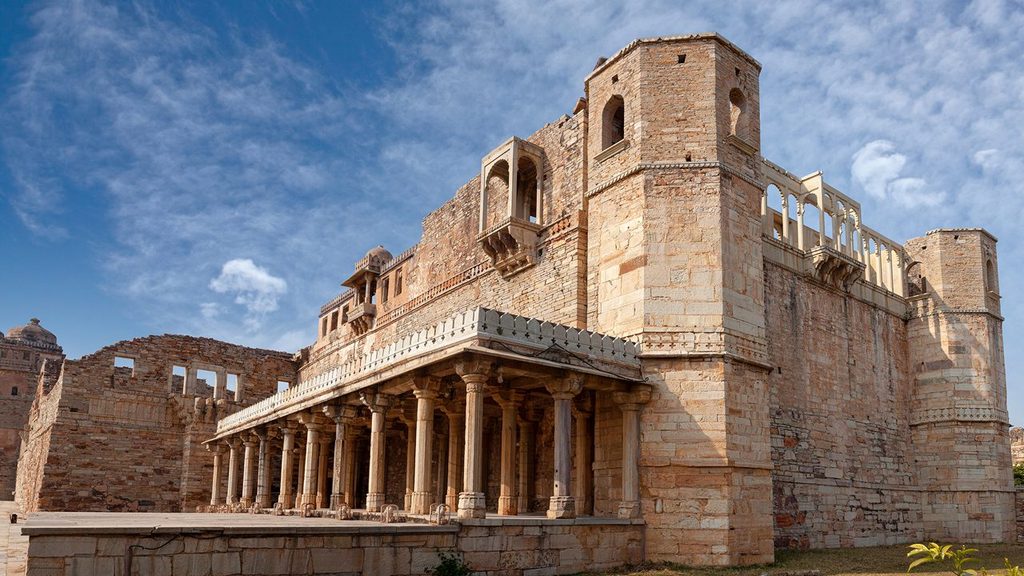
    Once the grand residence of Mewar’s rulers, Rana Kumbha Palace now stands as an evocative ruin whispering tales of royal glory and tragedy. It was here that Rani Padmini and hundreds of Rajput women performed Jauhar to protect their honor.

    Don’t Miss: The ruins’ golden hue during sunrise — a photographer’s delight.

    Secret chambers and underground passages.

    Padmini Palace — The Legend of Rani Padmini
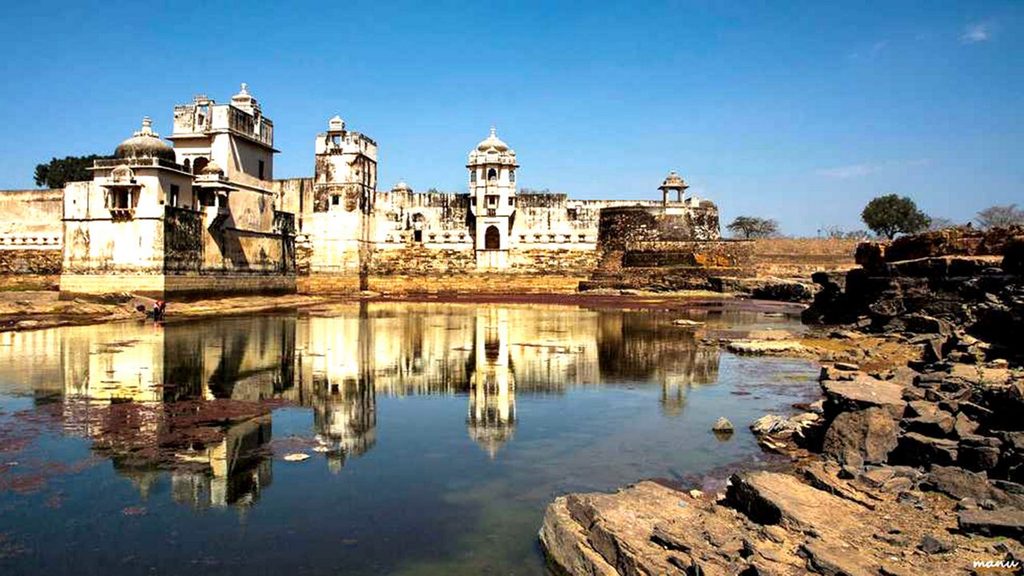
    Located inside the fort, Padmini Palace is surrounded by a tranquil lotus pool that beautifully reflects its structure. This was once the royal residence of Queen Padmini, whose courage and sacrifice are etched into Chittorgarh’s legacy.

    Legend says: Alauddin Khilji’s desire to see Rani Padmini led to one of the most tragic battles in Indian history.

    Tip: The palace looks stunning in the early morning light when reflections shimmer on the water.

    Meera Temple — The Symbol of Devotion
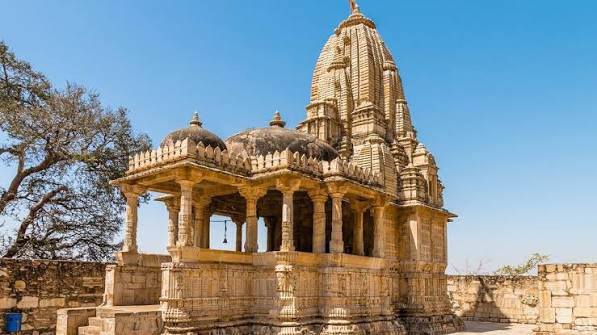
    Dedicated to the poet-saint Meera Bai, the Meera Temple is an essential stop for devotees and lovers of bhakti poetry. The temple’s intricate carvings and calm ambiance provide a serene experience within the fort.

    Don’t Miss:
    The statue of Meera Bai worshipping Lord Krishna and her beautifully inscribed verses.


    Kalika Mata Temple — The Goddess of Power
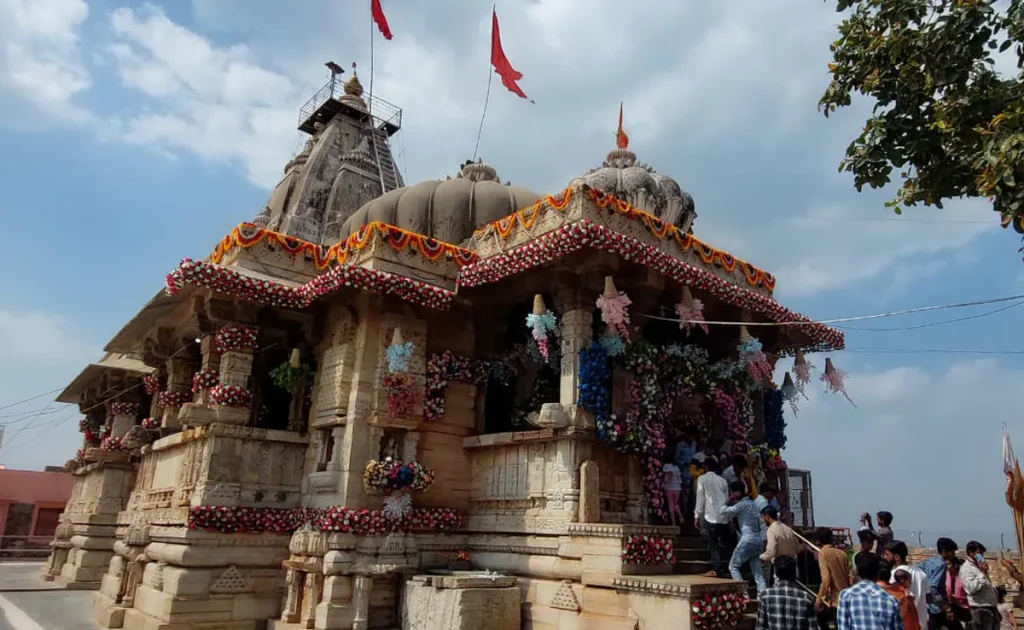
    Originally built as a Sun Temple in the 8th century and later converted into a shrine for Goddess Kali, Kalika Mata Temple is one of Chittorgarh’s oldest structures. The temple is especially vibrant during Navratri festivals.

    Tip: Visit during evening aarti for a spiritual experience and scenic sunset backdrop.

    Gau Mukh Kund — The Sacred Reservoir
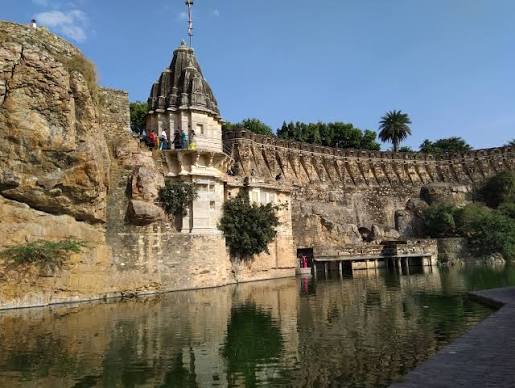
    The Gau Mukh Kund, or “Cow’s Mouth Spring,” is a natural water reservoir inside the fort complex. Legend says the water flows eternally from a stone cow’s mouth, symbolizing purity and faith. Pilgrims often feed fish here as an offering.

    Photography Tip: Capture reflections of the fort walls in the calm waters of the kund.

    Other Nearby Attractions

    Apart from the main fort complex, don’t miss these nearby gems:

    • Sitamata Wildlife Sanctuary (60 km): Great for nature lovers.
    • Menal Waterfalls (90 km): Ideal for a day trip.
    • Nagari: An ancient archaeological site near Chittorgarh.

    Best Time to Visit Chittorgarh

    October to February is the best season — the weather is cool, and the fort can be explored comfortably.
    Avoid May–July due to high heat.

    Special Event: The annual Jauhar Mela held at Chittorgarh Fort celebrates Rajput bravery and attracts thousands of visitors.

    How to Reach Chittorgarh

    • By Air: The nearest airport is Maharana Pratap Airport (Udaipur), about 90 km away.
    • By Train: Chittorgarh Junction is well-connected to Jaipur, Delhi, and Udaipur.
    • By Road: Regular buses and taxis connect Chittorgarh to all major Rajasthan cities.

    Tip: A 2-day trip is ideal to explore the fort and nearby temples comfortably.

    FAQs About Visiting Chittorgarh

    Q1. What are the top places to visit in Chittorgarh?
    Chittorgarh Fort, Vijay Stambh, Padmini Palace, Meera Temple, Kalika Mata Temple, and Gau Mukh Kund.

    Q2. What are Chittorgarh Fort timings and entry fees?
    Open daily from 9 AM to 6 PM; ₹50 for Indian visitors, ₹200 for foreigners.

    Q3. How much time do you need to explore Chittorgarh Fort?
    At least 3–4 hours for major attractions; 1 full day for detailed exploration.

    Q4. When is the best time to visit Chittorgarh?
    October to February, during the cool winter season.

    Q5. Is there a light and sound show at the fort?
    Yes, every evening at the Kumbha Palace complex (timings vary by season).

    Final Thoughts

    Chittorgarh is not just a historical site — it’s an emotion. Every stone, every tower, and every palace here tells a tale of bravery, love, and sacrifice. Whether you’re a history buff, a photographer, or a spiritual traveler, Chittorgarh promises an unforgettable journey into India’s royal past.

    Plan your trip with India Darpan — your trusted travel guide to Rajasthan’s living heritage.
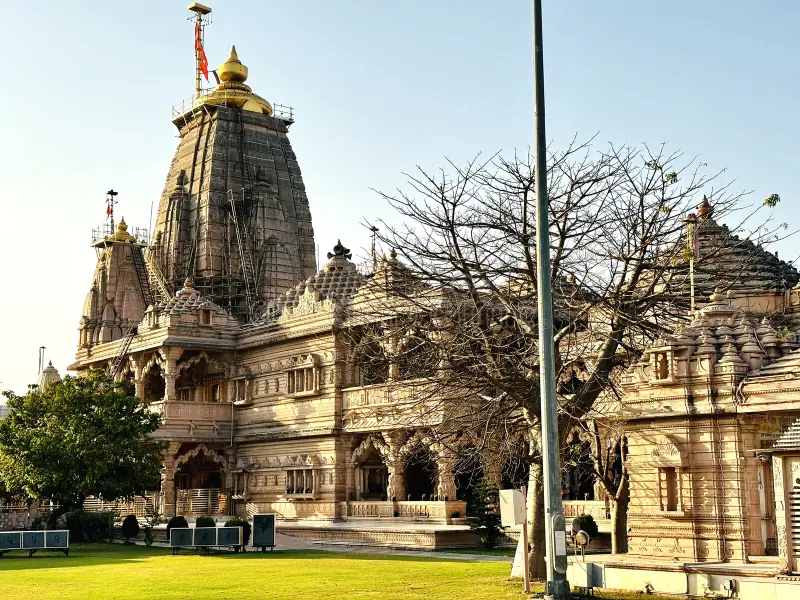
  • सांवरिया सेठ मंदिर(Sanwaliya Seth Temple): चित्तौड़गढ़ में इसके इतिहास और महत्व की एक झलक

    सांवरिया सेठ मंदिर(Sanwaliya Seth Temple): चित्तौड़गढ़ में इसके इतिहास और महत्व की एक झलक

    भारत के राजस्थान के मध्य में बसा शहर चित्तौड़गढ़ न केवल अपने राजसी किले के लिए प्रसिद्ध है, बल्कि सांवरिया सेठ मंदिर के नाम से जाने जाने वाले आध्यात्मिक अभयारण्य के लिए भी प्रसिद्ध है। यह भव्य मंदिर भक्ति और स्थापत्य भव्यता के प्रतीक के रूप में खड़ा है, जो हर साल हजारों तीर्थयात्रियों और पर्यटकों को आकर्षित करता है। इस लेख में, हम आपको सांवरिया सेठ मंदिर की उत्पत्ति, महत्व और आकर्षण का पता लगाने के लिए समय और इतिहास की यात्रा पर ले जाएंगे।

    सांवरिया सेठ मंदिर की उत्पत्ति

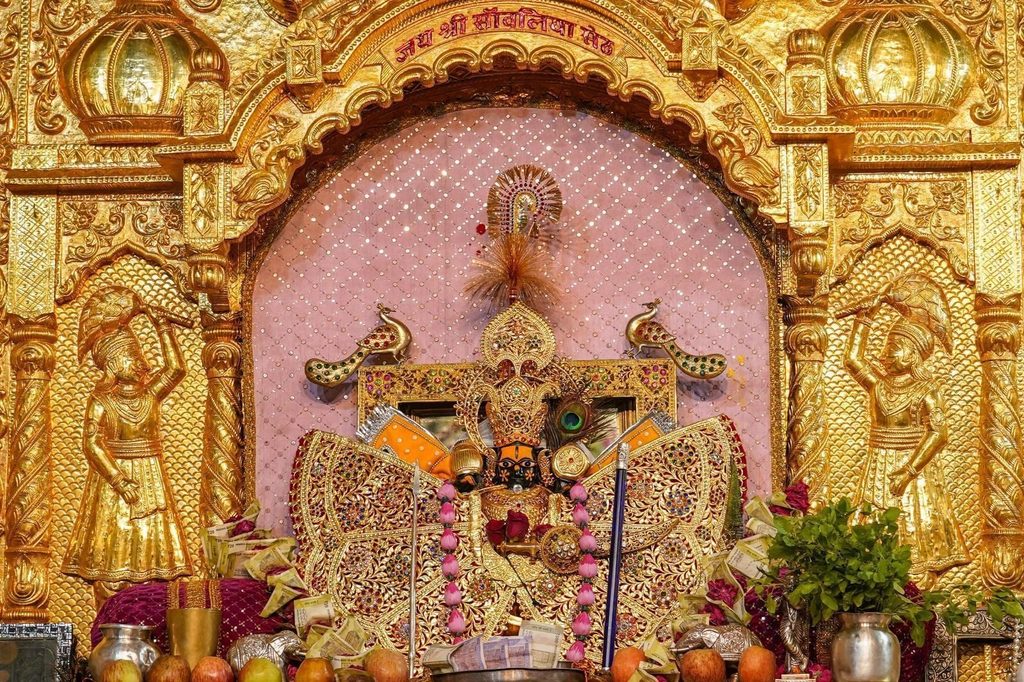
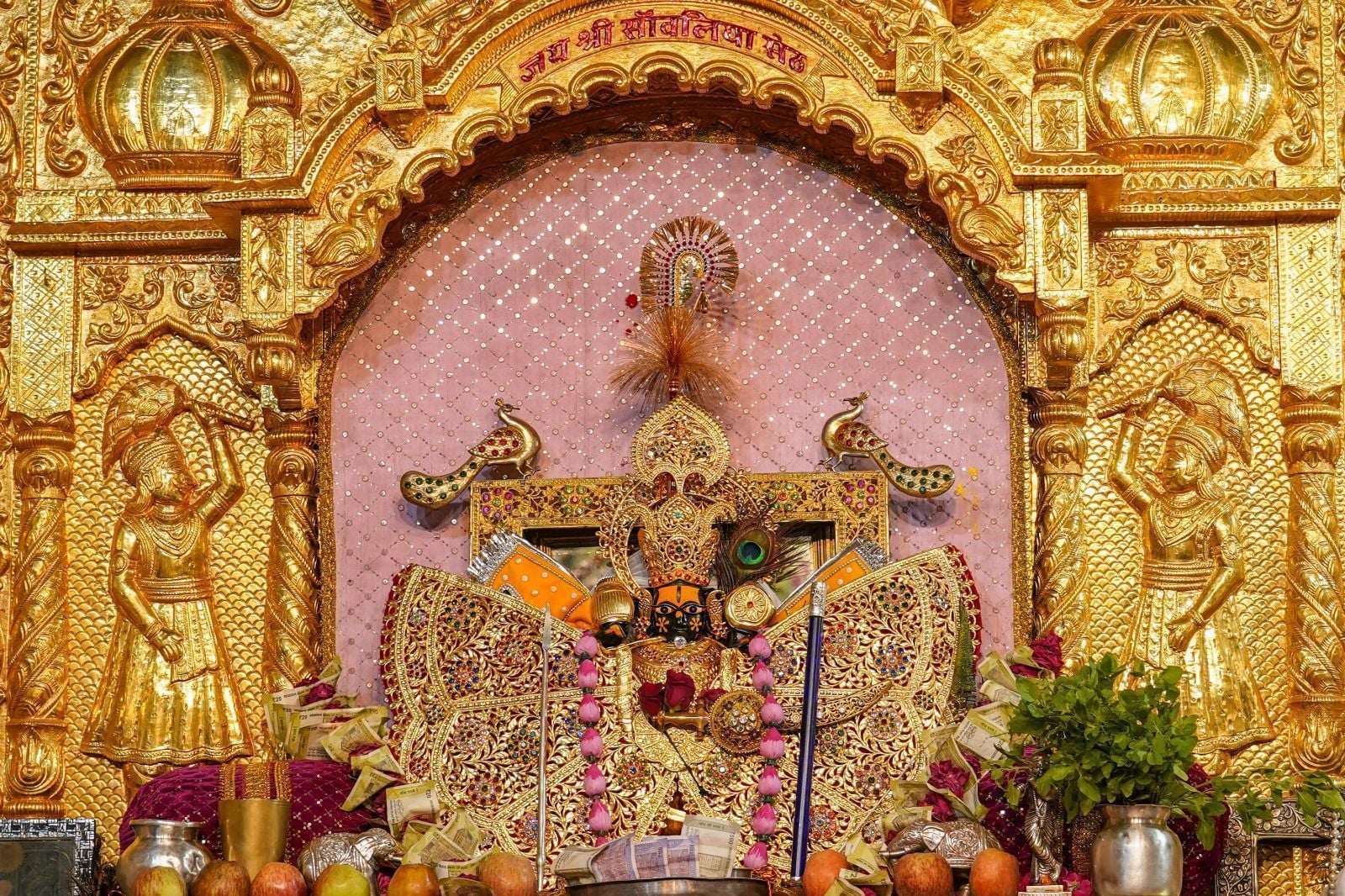
    माना जाता है कि भगवान कृष्ण को समर्पित सांवरिया सेठ मंदिर 15वीं शताब्दी के आसपास बनाया गया था, जो इसे शहर में एक प्राचीन और सांस्कृतिक रूप से समृद्ध स्मारक बनाता है। इतिहास में डूबा चित्तौड़गढ़ कई महत्वपूर्ण घटनाओं की पृष्ठभूमि रहा है, और यह मंदिर शहर से जुड़ी भक्ति और वीरता की कहानियों का गवाह है।

    मंदिर का वास्तुशिल्प

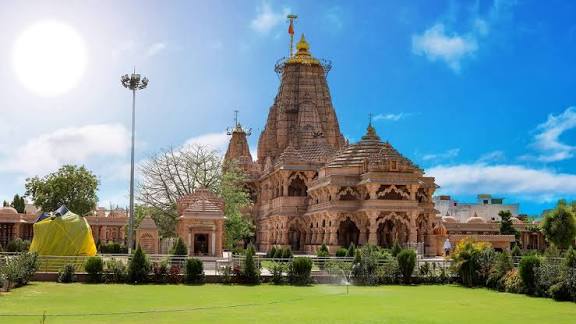
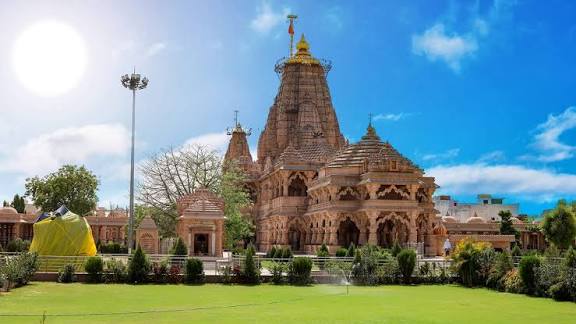
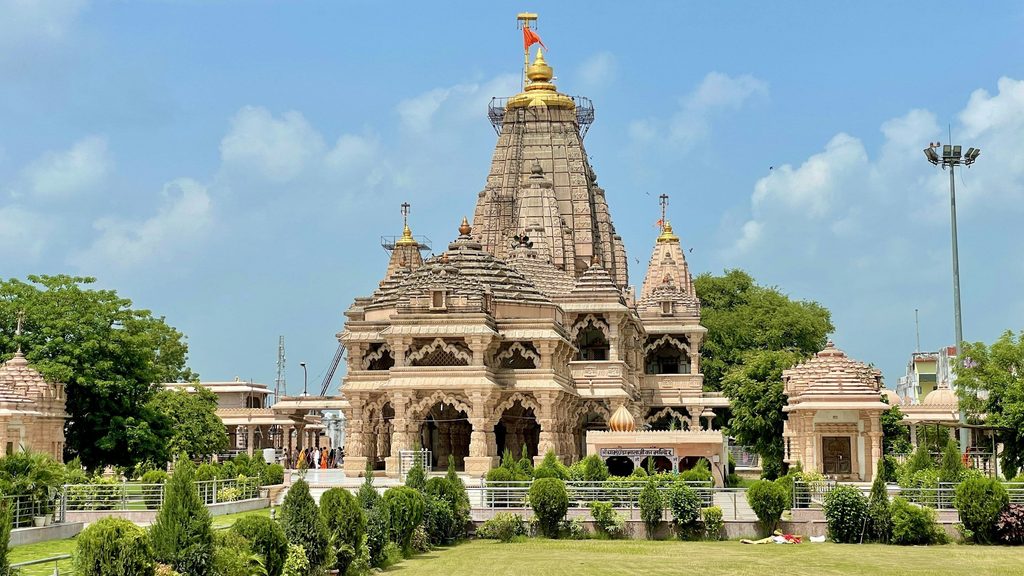
    यह मंदिर न केवल अपने आध्यात्मिक महत्व के लिए बल्कि अपनी स्थापत्य प्रतिभा के लिए भी प्रसिद्ध है। इसमें राजस्थानी और मुगल स्थापत्य शैली का अद्भुत मिश्रण है, जो जटिल पत्थर की नक्काशी और सुरुचिपूर्ण गुंबदों को प्रदर्शित करता है। मंदिर के बाहरी हिस्से को जटिल रूप से डिजाइन किए गए भित्तिचित्रों से सजाया गया है, जो समग्र संरचना में एक मंत्रमुग्ध कर देने वाला स्पर्श जोड़ते हैं।

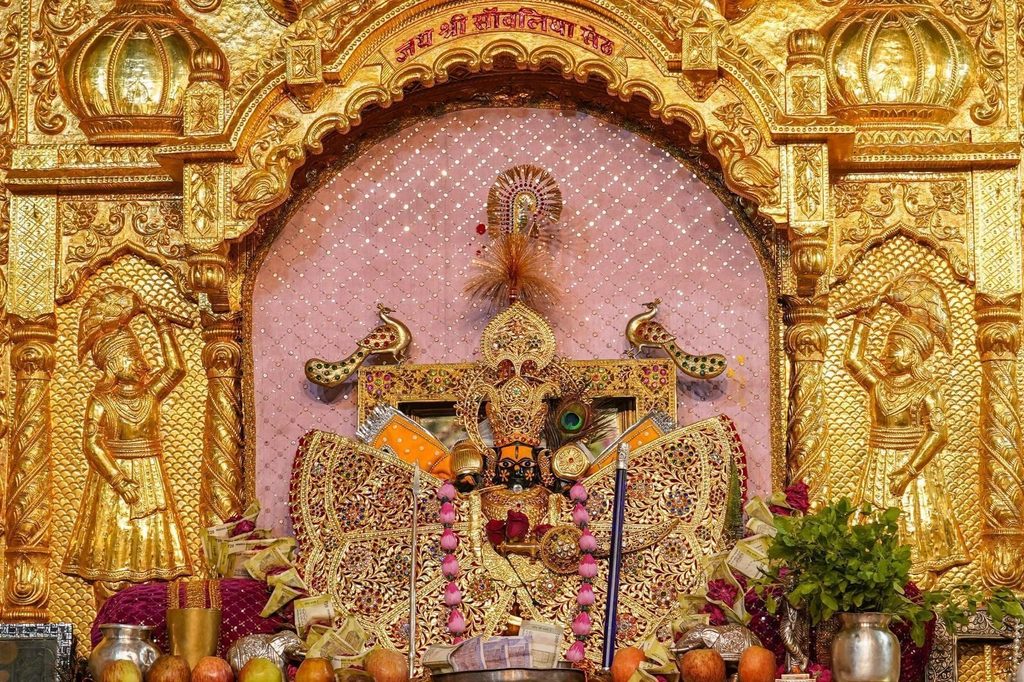
    जैसे ही आप मंदिर परिसर में प्रवेश करते हैं, आपका स्वागत एक सुंदर नक्काशीदार संगमरमर का प्रवेश द्वार करेगा, जिसके बाद एक आंगन होगा जो शांति का अनुभव कराता है। मुख्य गर्भगृह में भगवान कृष्ण की एक मंत्रमुग्ध कर देने वाली मूर्ति है, जो अपनी दिव्य उपस्थिति से आगंतुकों को आकर्षित करती है।

    मंदिर की वास्तुकला राजस्थान की समृद्ध सांस्कृतिक विरासत का प्रमाण है, जो कुशल कारीगरों की शिल्प कौशल का प्रदर्शन करती है जिन्होंने इस उत्कृष्ट कृति को बनाने के लिए अपनी प्रतिभा समर्पित की। यह मंदिर उन कारीगरों और वास्तुकारों को श्रद्धांजलि के रूप में खड़ा है जो कभी इस क्षेत्र में फले-फूले थे।

    धार्मिक महत्व

    सांवरिया सेठ मंदिर सिर्फ एक ऐतिहासिक अवशेष नहीं है बल्कि भक्तों के लिए एक पवित्र पूजा स्थल है। यह भगवान विष्णु के आठवें अवतार भगवान कृष्ण को समर्पित है, जो प्रेम, भक्ति और आकर्षण के देवता के रूप में प्रतिष्ठित हैं। भगवान कृष्ण का आशीर्वाद लेने और इसके शांत वातावरण में सांत्वना पाने के लिए दूर-दूर से भक्त इस मंदिर में आते हैं।

    मंदिर न केवल पूजा का स्थान है बल्कि आध्यात्मिक और सांस्कृतिक संवर्धन का भी स्थान है। यह विभिन्न धार्मिक और सांस्कृतिक गतिविधियों के केंद्र के रूप में कार्य करता है, जिससे यह स्थानीय समुदाय के जीवन का अभिन्न अंग बन जाता है।

    त्यौहार एवं उत्सव

    भगवान कृष्ण के जन्मदिन, जन्माष्टमी के दौरान चित्तौड़गढ़ उत्सव से जीवंत हो उठता है। सांवरिया सेठ मंदिर इस दौरान भव्य उत्सव आयोजित करता है, जो भक्तों और पर्यटकों को समान रूप से आकर्षित करता है। मंदिर को फूलों, रोशनी और सजावट से खूबसूरती से सजाया जाता है और भगवान कृष्ण की मूर्ति के साथ मधुर भजन और कीर्तन के साथ एक जुलूस निकाला जाता है। यह उत्सव उत्सव और एकता का माहौल लाता है, जिससे चित्तौड़गढ़ के लोगों में अपनेपन की भावना पैदा होती है।

    भव्य आरती समारोह

    सांवरिया सेठ मंदिर में सबसे मनोरम अनुभवों में से एक शाम का आरती समारोह है। जैसे ही सूरज डूबता है, मंदिर अनगिनत तेल के दीपक और धूप से जगमगा उठता है, जिससे एक अवास्तविक और अलौकिक वातावरण बनता है। आरती एक आत्मा-विभोर करने वाली रस्म है, जिसमें मधुर भजन और घंटियों की लयबद्ध ध्वनि से वातावरण गूंज उठता है। भक्त अटूट भक्ति के साथ भाग लेते हैं, और अनुभव हृदय और आत्मा पर एक अमिट छाप छोड़ता है।

    पर्यटन में योगदान

    सांवरिया सेठ मंदिर न केवल एक आध्यात्मिक स्थल के रूप में बल्कि चित्तौड़गढ़ में एक महत्वपूर्ण पर्यटक आकर्षण के रूप में भी काम करता है। इसकी वास्तुकला की भव्यता और सांस्कृतिक समृद्धि दुनिया भर से पर्यटकों को आकर्षित करती है, जो इसे राजस्थान के पर्यटन उद्योग का एक प्रमुख घटक बनाती है।

    पर्यटक इस मंदिर के इतिहास, आध्यात्मिकता और कलात्मकता के मिश्रण से मंत्रमुग्ध हो जाते हैं। यह राजस्थान की जीवंत संस्कृति और विरासत की झलक प्रदान करता है, जो इस क्षेत्र का पता लगाने के इच्छुक लोगों को एक अद्वितीय यात्रा अनुभव प्रदान करता है।

    संरक्षण और पुनरुद्धार

    सांवरिया सेठ मंदिर की समृद्ध विरासत और ऐतिहासिक महत्व को संरक्षित करना अत्यंत महत्वपूर्ण है। सरकार ने, विभिन्न सांस्कृतिक और धार्मिक संगठनों के सहयोग से, यह सुनिश्चित करने के लिए बहाली और संरक्षण के प्रयास किए हैं कि यह वास्तुशिल्प चमत्कार आने वाली पीढ़ियों के लिए बरकरार रहे।

    संरक्षण कार्य का उद्देश्य मंदिर की संरचनात्मक अखंडता को बनाए रखना, प्राचीन भित्तिचित्रों की रक्षा करना और आसपास के क्षेत्र की सुरक्षा करना है। ये प्रयास न केवल मंदिर के संरक्षण में योगदान देते हैं बल्कि पर्यटन के माध्यम से स्थानीय अर्थव्यवस्था का भी समर्थन करते हैं।

    सांवरिया सेठ मंदिर के दर्शन

    यदि आप चित्तौड़गढ़ की यात्रा की योजना बना रहे हैं, तो सांवरिया सेठ मंदिर निस्संदेह आपके यात्रा कार्यक्रम में होना चाहिए। एक सार्थक यात्रा सुनिश्चित करने के लिए यहां कुछ सुझाव दिए गए हैं:

    शालीन पोशाक पहनें:

    पूजा स्थल के रूप में, शालीनता से कपड़े पहनना, अपने कंधों और पैरों को ढंकना आवश्यक है।

    अपने जूते उतारें:

    मंदिर परिसर में प्रवेश करने से पहले अपने जूते उतारने की प्रथा है। जूता भंडारण सुविधाएं आमतौर पर उपलब्ध हैं।

    परंपराओं का सम्मान करें:

    मंदिर के रीति-रिवाजों और परंपराओं का पालन करें, जैसे प्रार्थना करना और धूप जलाना।

    आरती में शामिल हों:

    आम तौर पर शाम को आयोजित होने वाले मनमोहक आरती समारोह को देखना न भूलें।

    परिवेश का अन्वेषण करें:

    मंदिर के सुंदर परिवेश और चित्तौड़गढ़ के ऐतिहासिक शहर का भ्रमण करने के लिए कुछ समय निकालें।


    निष्कर्ष

    चित्तौड़गढ़ में सांवरिया सेठ मंदिर सिर्फ एक पूजा स्थल नहीं है बल्कि राजस्थान के समृद्ध इतिहास और सांस्कृतिक विरासत का एक प्रमाण है। इसका वास्तुशिल्प वैभव और आध्यात्मिक महत्व इसे भक्तों और पर्यटकों दोनों के लिए एक अवश्य देखने योग्य स्थान बनाता है। इस विरासत को संरक्षित करके, हम यह सुनिश्चित करते हैं कि आने वाली पीढ़ियाँ इस उल्लेखनीय मंदिर की दिव्य सुंदरता को देखकर आश्चर्यचकित होती रहें। इसलिए, जब आप राजस्थान की अपनी अगली यात्रा की योजना बनाएं, तो अपनी घूमने की जगहों की सूची में मनमोहक सांवरिया सेठ मंदिर को शामिल करना सुनिश्चित करें, और इस पवित्र स्थल का इतिहास और आध्यात्मिकता आपको एक अलग युग में ले जाएगी।

  • History of Sanwariya Ji Temple

    History of Sanwariya Ji Temple

    The History and Guide to Sanwariya Ji Temple in Chittorgarh

    Sanwariya Ji Temple, located in the Chittorgarh district of Rajasthan, is one of the most revered temples dedicated to Lord Krishna. This temple attracts thousands of devotees from all over India who come to seek blessings and experience the divine presence of Shri Sanwariya Seth, an incarnation of Lord Krishna. The temple is famous for its unique black idol of Lord Krishna, which is believed to fulfill the wishes of devotees.

    The origins of the Sanwariya Ji Temple date back to the early 19th century when three divine idols of Lord Krishna were discovered buried in the Bhadsoda-Bagund area near Chittorgarh. These idols were later installed in three different temples, with one placed at Mandaphia, which is now the main Sanwariya Ji Temple. Over the years, the temple has grown into a major pilgrimage site, often compared to Shrinathji of Nathdwara due to its deep spiritual significance and vibrant religious activities.

    Distance of Sanwariya ji Temple from Chittorgarh

    Sanwariya Ji Temple is located approximately 40 km from Chittorgarh, making it an easy and convenient visit for pilgrims and tourists.

    Distance of Sanwariya ji Temple from Udaipur

    The temple is about 110 km from Udaipur, a popular tourist destination known for its lakes and palaces.

    How to Reach Sanwariya Ji Temple

    From Chittorgarh

    1. By Road: The temple is well connected by road, and visitors can take a private taxi, cab, or state-run buses from Chittorgarh to reach the temple within an hour.
    2. By Train: Chittorgarh has a well-connected railway station, and from there, one can hire a taxi or take a bus to reach the temple.

    From Udaipur

    1. By Road: Regular buses and taxis are available from Udaipur to Sanwariya Ji Temple. The journey takes approximately 2 to 2.5 hours.
    2. By Train: Udaipur also has a railway station with good connectivity. From Udaipur Railway Station, you can hire a taxi to reach the temple.

    Sanwariya Ji Temple Timings and Best Time to Visit

    • Temple Open Timings: The temple opens early in the morning and remains accessible to devotees throughout the day. The general schedule is as follows:
      • Mangala Aarti: 5:30 AM
      • Shringar Aarti: 7:30 AM
      • Rajbhog Aarti: 11:00 AM
      • Sandhya Aarti: 6:30 PM
      • Shayan Aarti: 10:00 PM
    • Best Time to Visit: While the temple is open throughout the year, the best time to visit is during major festivals such as Janmashtami, Holi, and Diwali, when the temple is beautifully decorated and special prayers are conducted.

    Other Attractions Near Sanwariya Ji Temple

    If you are planning to visit Sanwariya Ji Temple, you may also want to explore nearby attractions:

    • Chittorgarh Fort: A UNESCO World Heritage Site, about 40 km away.
    • Ranakpur Jain Temple: Known for its intricate architecture, approximately 160 km away.
    • Nathdwara: Home to the famous Shrinathji Temple, about 100 km from Sanwariya Ji Temple.

    Conclusion

    Sanwariya Ji Temple is a must-visit spiritual destination in Rajasthan. With its deep historical roots, divine significance, and easy accessibility from Chittorgarh and Udaipur, it continues to be a beacon of faith for millions. Whether you are visiting for religious purposes or to explore Rajasthan’s cultural heritage, a trip to Sanwariya Ji Temple will undoubtedly be a fulfilling experience.