Blog

  • Exploring the Culinary Delights of Chittorgarh: A Gastronome’s Guide to the Best Restaurants

    Exploring the Culinary Delights of Chittorgarh: A Gastronome’s Guide to the Best Restaurants

    Chittorgarh, a historic city in Rajasthan, India, is not only renowned for its magnificent fort and fascinating tales but also for its rich and diverse culinary landscape. For food enthusiasts visiting this city, the experience is incomplete without delving into the local flavors and specialties. This guide takes you on a Gastronomic journey through some of Chittorgarh’s top restaurants, especially for those who savor vegetarian cuisine. From traditional dishes to modern fusion, these eateries offer an array of delightful experiences.

    Aashirvaad Restaurant
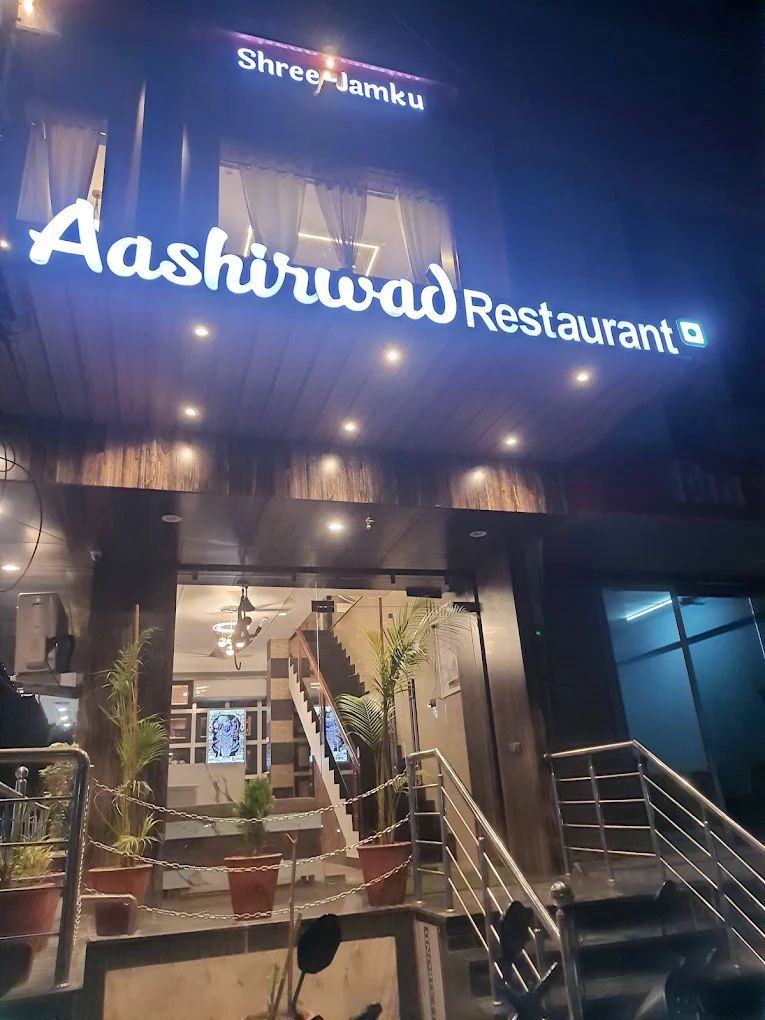
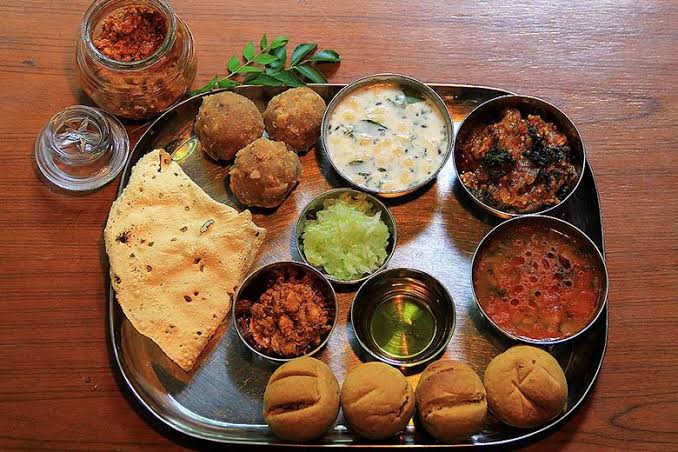
    A beacon for vegetarian food lovers, Aashirvaad restaurant is synonymous with authentic flavors and quality dining. This restaurant is famed for its Rajasthani Thali, a platter filled with a variety of traditional dishes and more. The ambiance here is cozy, and the service is exemplary, making it a perfect spot for families and groups who wish to immerse themselves in local flavors.

    • Location: 10, Road, opposite HDFC Bank, Senthi, Bapu Nagar, Chittorgarh
    • Timing : 11:30 am–3:30 pm, 6:30–10:30 pm

    Skydeck Restaurant (Hotel The Padmavati Fort View Chittorgarh)
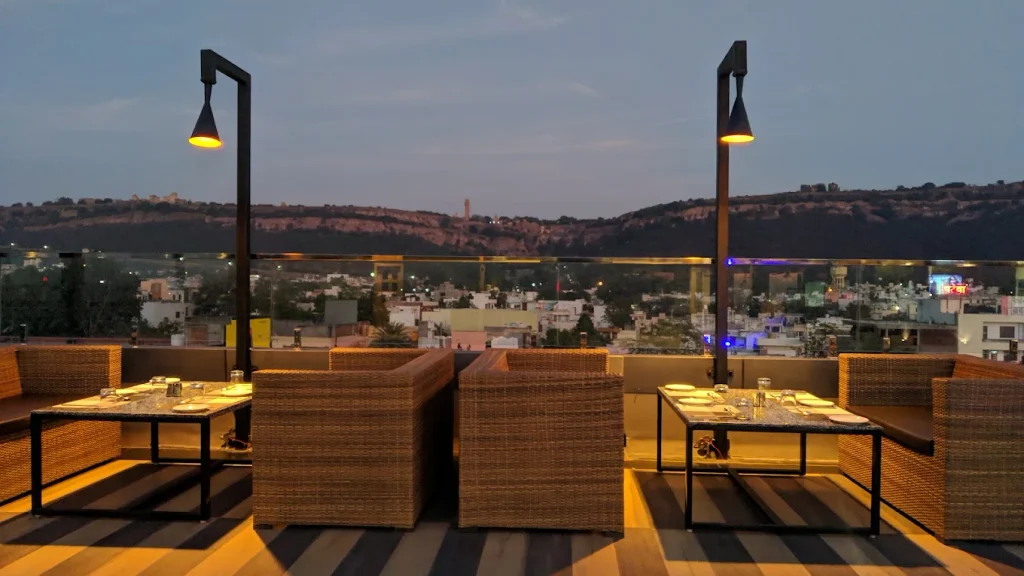
    If you’re looking for a dining experience with a view, Skydeck is your go-to place. Situated at a vantage point, this restaurant offers a panoramic view of Chittorgarh Fort, enhancing your dining experience. The menu here is a mix of Indian and international vegetarian dishes. The pasta, wood-fired pizzas, and local Rajasthani cuisine are must-tries. Dining under the stars at Skydeck makes for a memorable evening.

    • Location : Sector1, Gandhi Nagar, Chittorgarh

    Alfresco

    Alfresco stands out for its unique approach to vegetarian cuisine. This restaurant takes pride in its innovative fusion dishes that blend traditional flavors with a contemporary twist. The ambiance is chic and modern, making it a favorite among younger crowds and tourists seeking a break from conventional Indian fare. Don’t miss out on their signature dishes like the Paneer Tikka Pizza or the Quinoa Biryani.

    • Location : Hotel The Grand Chittor, near Gangaur Garden, Chittorgarh
    • Timing : 7:30 am–10:30 pm

    Aravali Hill Resort
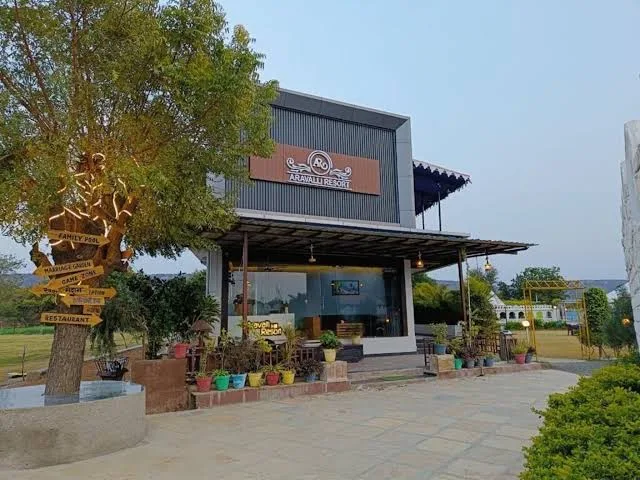
    Tucked away amidst the serene backdrop of the Aravali hills, this resort houses a fantastic restaurant that is a haven for vegetarian food lovers. The chefs here are adept at crafting dishes that are both traditional and innovative. The ambiance is tranquil, ideal for a relaxed meal after exploring the city. Their Rajasthani platter is a comprehensive way to taste the local cuisine.

    • Location : Udaipur- Kota Highway, Circle, behind Fort, Semalpura, Chittorgarh.

    Imagica Resort
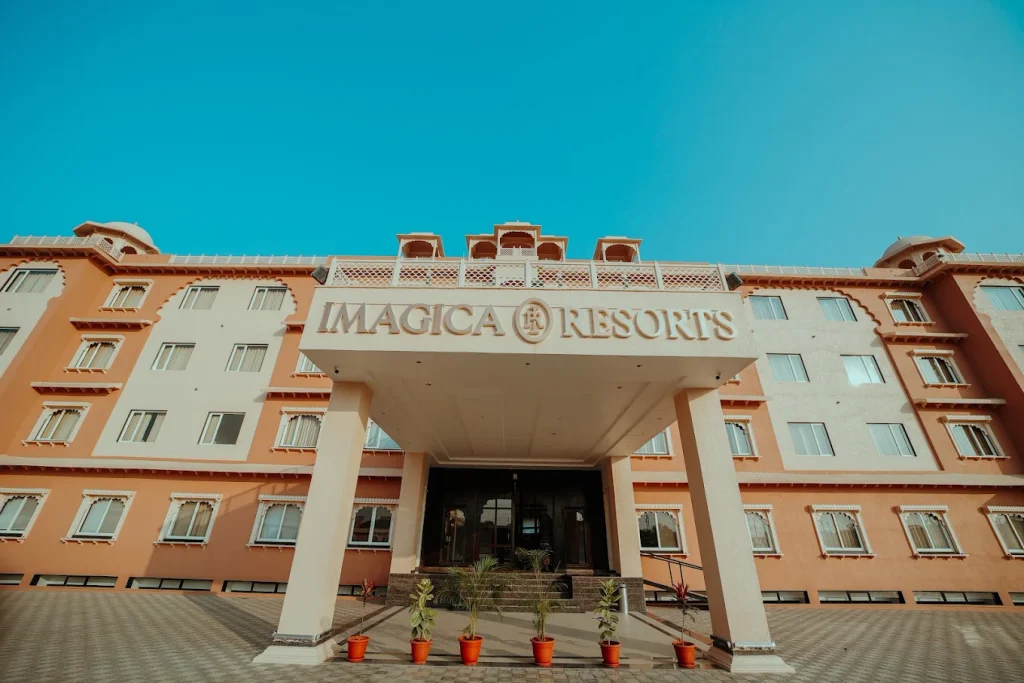
    Within the realms of Imagica Resort lies a culinary treasure that caters to vegetarian palates with utmost care. The restaurant in this resort offers a buffet with a wide variety of choices, ranging from salads and starters to main courses and desserts. The food here is prepared with fresh ingredients, ensuring a delightful dining experience. The ambiance, surrounded by the resort’s lush landscapes, adds to the charm.

    • Location : Rithola, Udaipur Rd, Chittorgarh

    Rajasi Resort
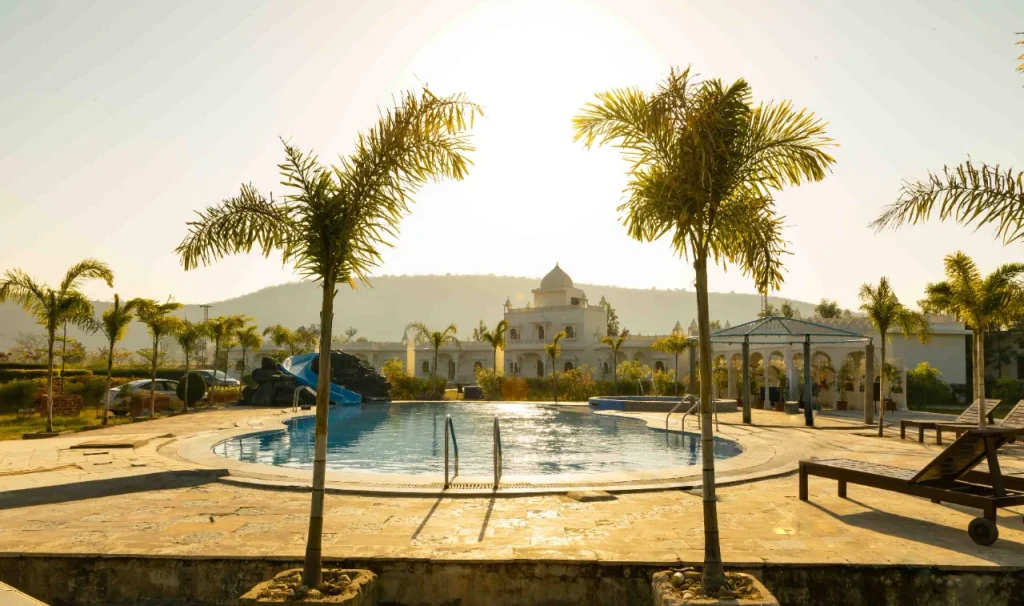
    Rajasi Resort’s restaurant is a testament to the rich culinary heritage of Rajasthan. The chefs here specialize in creating dishes that are authentic and flavorful. The restaurant’s decor, inspired by Rajasthani culture, complements the dining experience. The Ghevar, a local sweet, is a must-try here. Their commitment to maintaining the authenticity of local flavors makes this a top choice for vegetarians.

    • Location : Semalpura, NH 27, Dhadhan
    • Timing : 7 am–11 pm

    Meera Restaurant

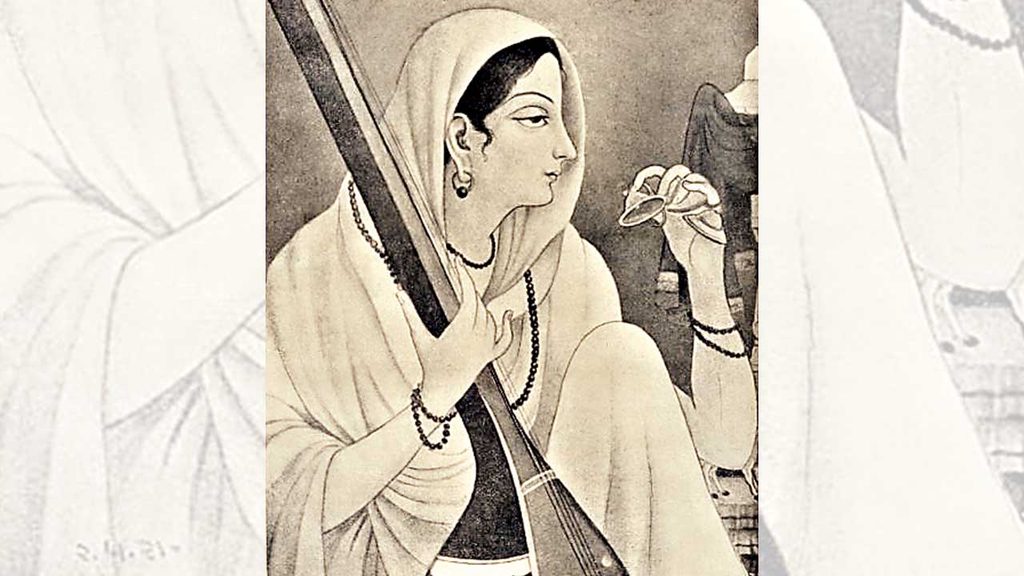
    Hotel Meera named after the revered princess and saint, Meera, this restaurant offers a spiritual calmness alongside its delicious food. It’s a place where simplicity and flavor go hand in hand. The vegetarian dishes here are prepared with care, and the Daal Baati Churma is particularly noteworthy. The staff’s hospitality makes every diner feel special, adding to the overall experience.

    • Location : Railway Station, Chittoor, Railway Colony, Chittorgarh

    Conclusion

    Chittorgarh is not just a city of historic significance but also a destination for culinary explorers. Each of these restaurants offers something unique, whether it’s the ambiance, the view, or the innovative approach to vegetarian cuisine. A trip to Chittorgarh is indeed incomplete without indulging in the delightful vegetarian fare offered by these culinary gems. As you plan your visit, make sure to add these eateries to your itinerary to experience the true essence of Rajasthani hospitality and cuisine.
  • Chittorgarh: A Timeless Jewel in Rajasthan – Your Ultimate Travel Guide

    Chittorgarh: A Timeless Jewel in Rajasthan – Your Ultimate Travel Guide

    Introduction

    Nestled in the heart of Rajasthan, Chittorgarh is a city that whispers tales of bravery, romance, and tragedy through its majestic architecture and poignant history. It is a place where the past comes alive, inviting travelers to step into a world that beautifully melds legend with reality. This article serves as your comprehensive guide to exploring the enchanting city of Chittorgarh.

    History and Significance

    Chittorgarh, often referred to as Chittor, has a history that is both rich and turbulent. Known for its indomitable fort, it was once the capital of the Mewar kingdom. The city’s history is marked by heroic battles, notable for the valiant stands taken by its rulers against various invaders. The tales of Rani Padmini’s beauty and sacrifice, and of Maharana Pratap’s bravery, are deeply ingrained in the city’s legacy.

    Main Attractions

    Chittorgarh Fort

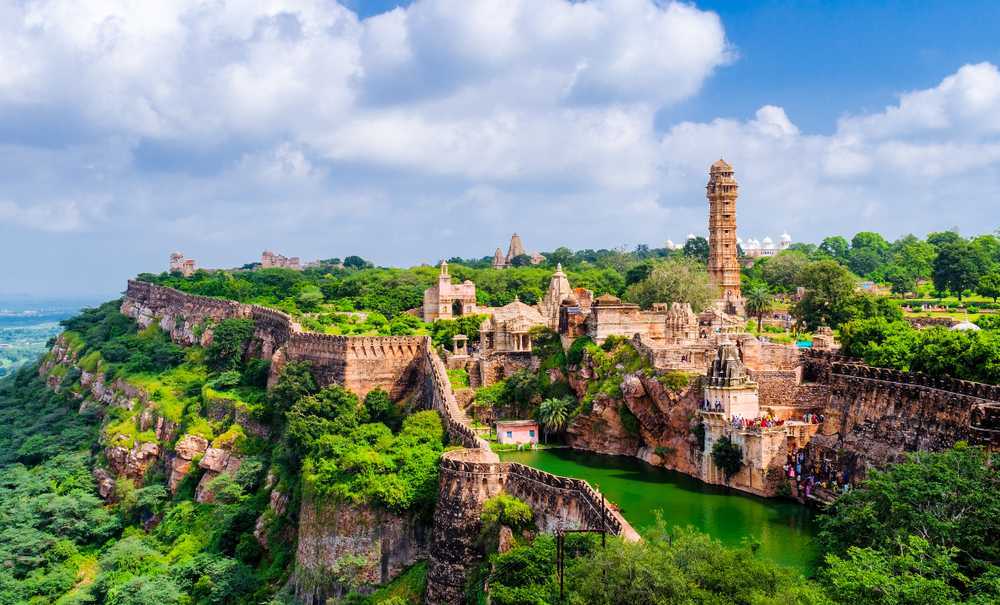
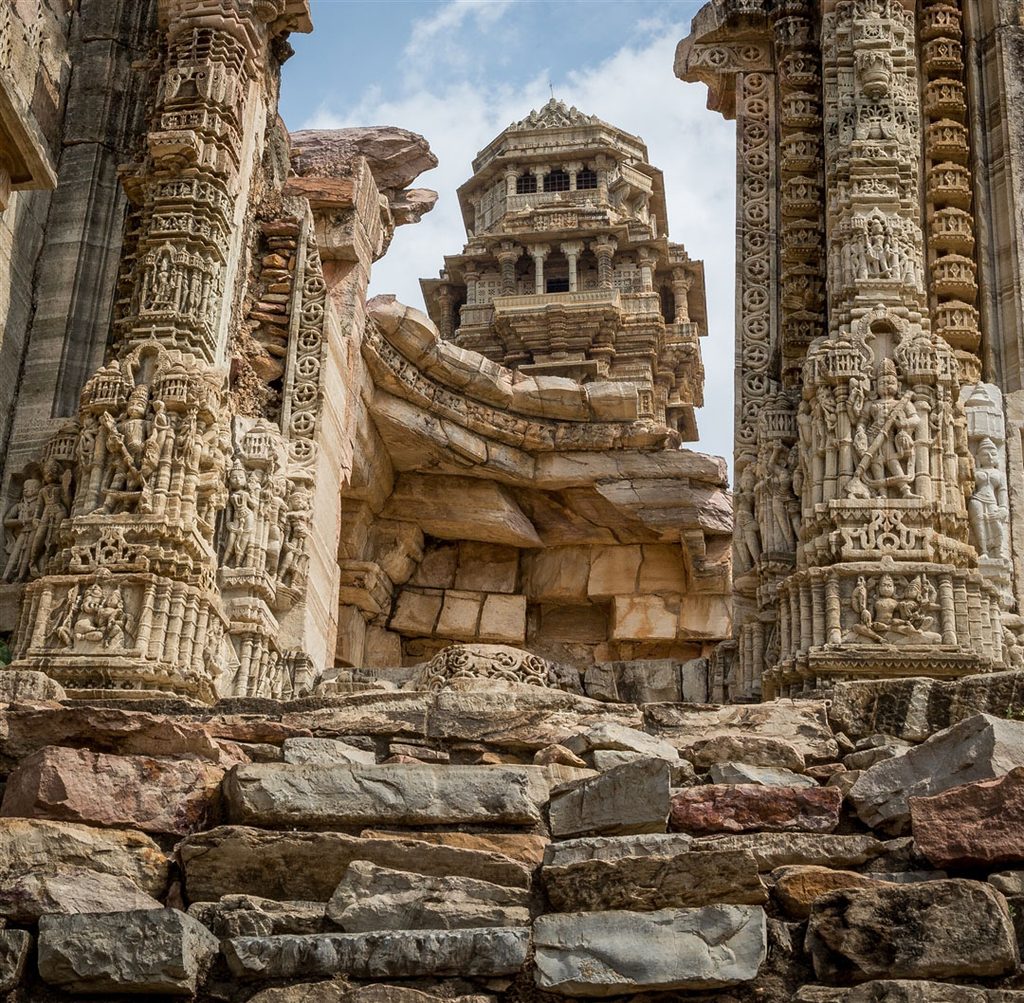
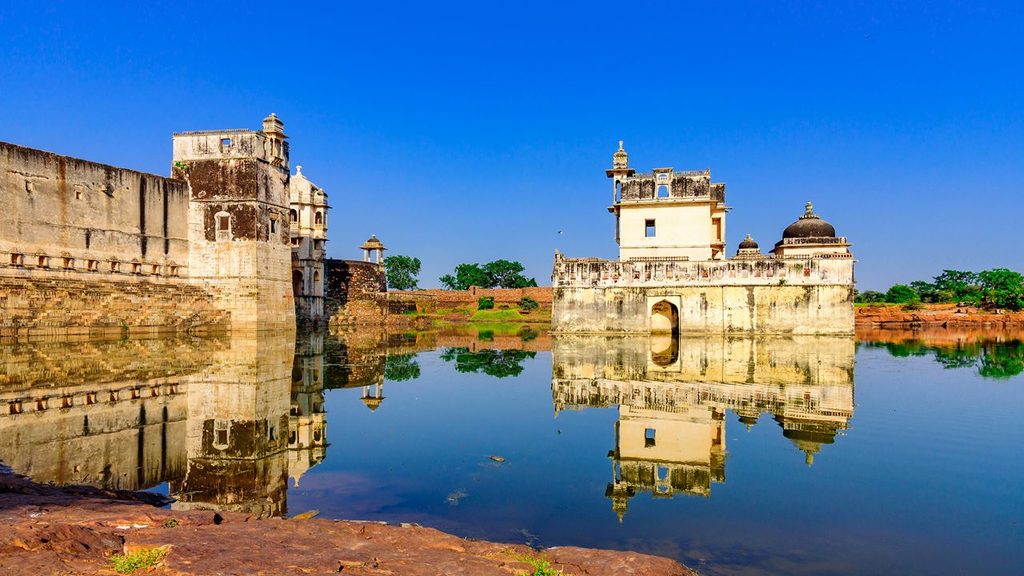
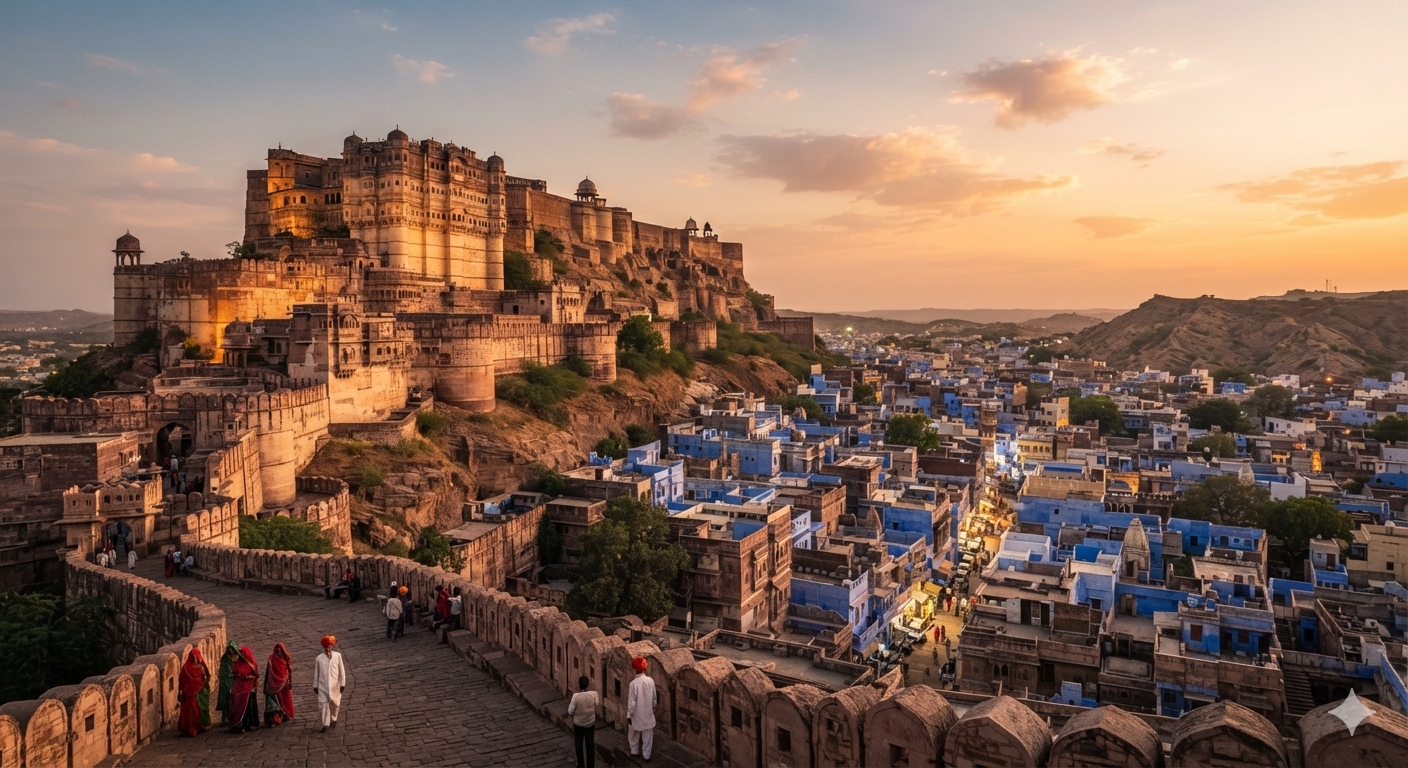
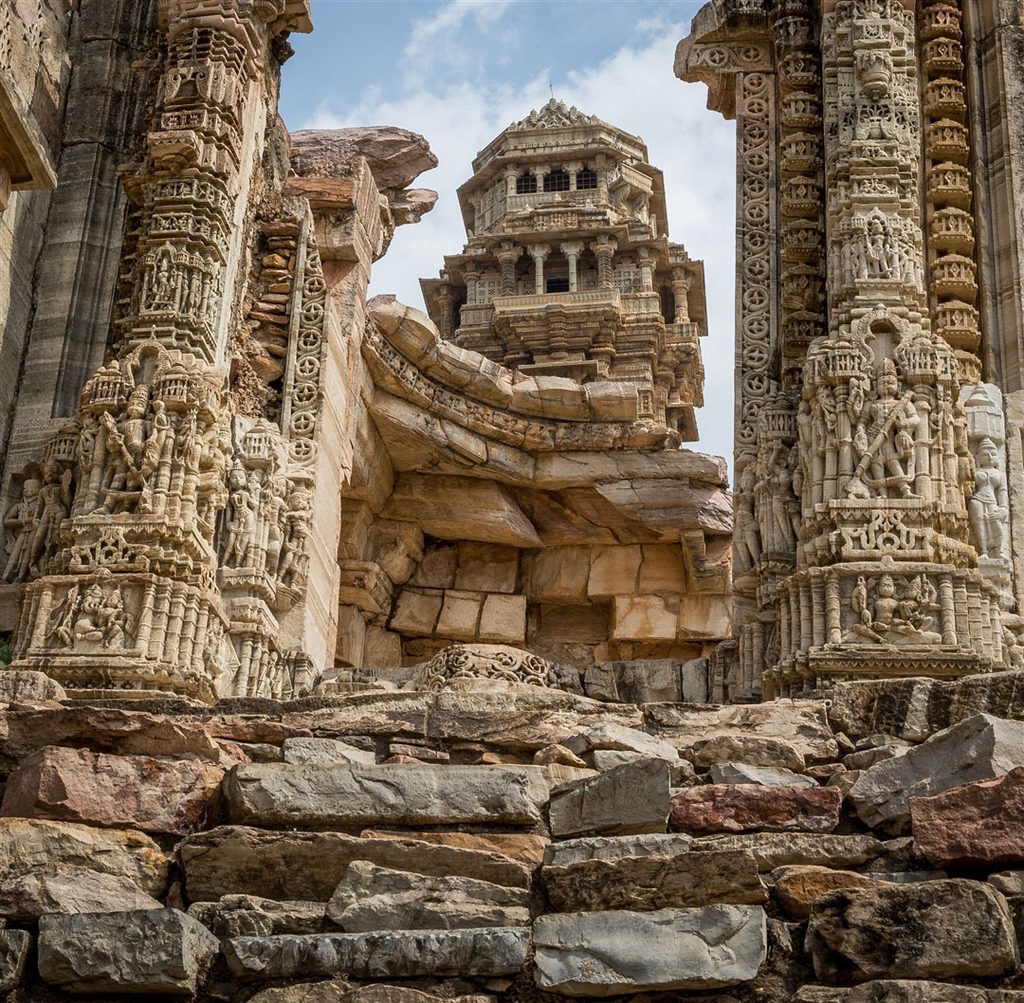
    Dominating the landscape, the Chittorgarh Fort is the largest fort in India. It is a UNESCO World Heritage Site, renowned for its magnificent architecture and the legendary tales associated with it. Key highlights within the fort include the Vijay Stambha (Victory Tower), Kirti Stambha (Tower of Fame), Rana Kumbha Palace, and Padmini Palace.

    Meera Temple and Kumbha Shyam Temple

    These temples are exemplary of the Rajput architectural style and are devoted to Lord Vishnu. The Meera Temple, in particular, is associated with the devotional poetess Meerabai.

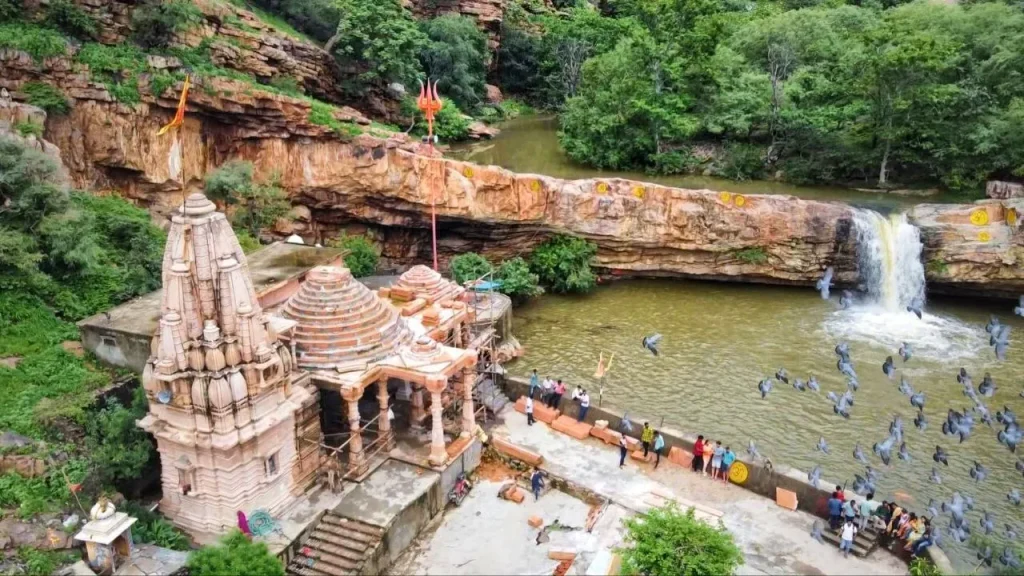
    Gaumukh Reservoir

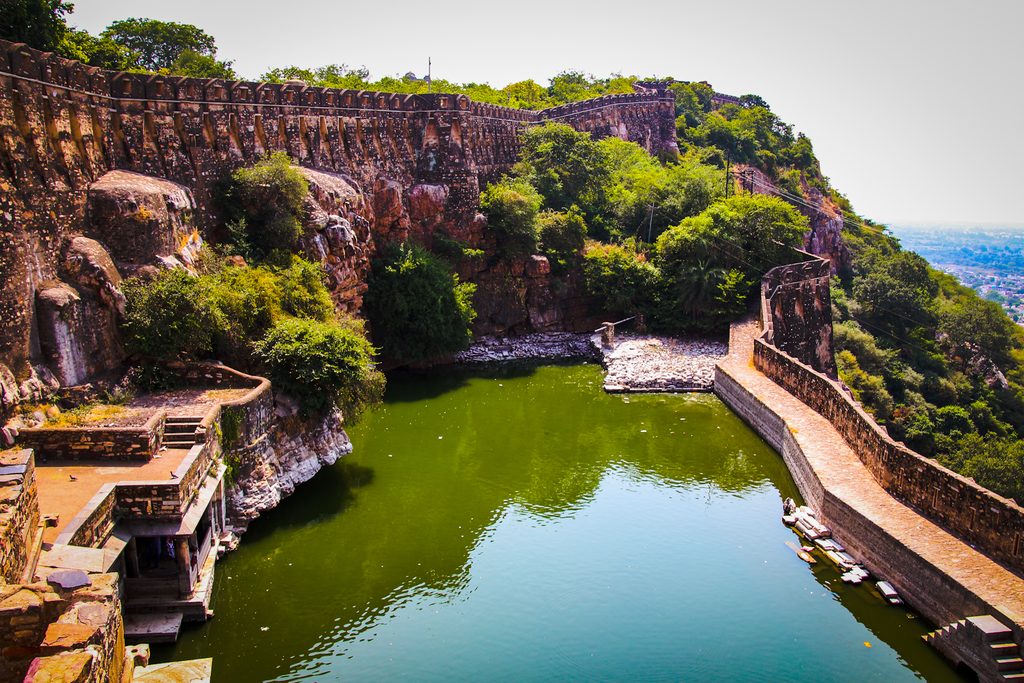
    Gaumukh Reservoir -Chittaurgarh

    A deep tank filled by a spring coming from a ‘cow mouth‘, situated at the edge of the cliff. It is considered sacred by the locals.

    Ratan Singh Palace

    Located near the Padmavati Palace, it offers stunning views of the city and is an important historical site.

    Cultural Insights

    Chittorgarh is a melting pot of Rajasthani culture. The city comes alive during festivals like Mewar Festival and Teej. Traditional Rajasthani cuisine, colorful handicrafts, and folk music and dances are integral to the city’s cultural fabric.

    Travel Tips

    • Best Time to Visit: The ideal time to visit Chittorgarh is from October to March when the weather is pleasant.
    • Getting There: Chittorgarh is well-connected by road, rail, and the nearest airport is in Udaipur, about 70 km away.
    • Accommodations: From heritage hotels to budget stays, Chittorgarh offers a range of accommodations to suit every traveler.
    • Local Transport: Local buses, auto-rickshaws, and taxis are available for getting around the city.

    Local Cuisine and Shopping

    A trip to Chittorgarh is incomplete without indulging in the local Rajasthani cuisine. The city offers a plethora of dishes that tantalize the taste buds, with specialties like Dal Baati Churma, Gatte ki Sabzi, and Ker Sangri. Street food lovers should try Pyaaz Kachori and Mirchi Bada. For shopping enthusiasts, Chittorgarh is a treasure trove of handicrafts, fabrics, and jewelry. The Sadar Bazaar, Rana Sanga Market, and Fort Road Market are popular shopping destinations.
    Offbeat Attractions

    1. Bassi wildlife sanctuary

    A short drive from Chittorgarh, this sanctuary is a haven for nature lovers and bird watchers.

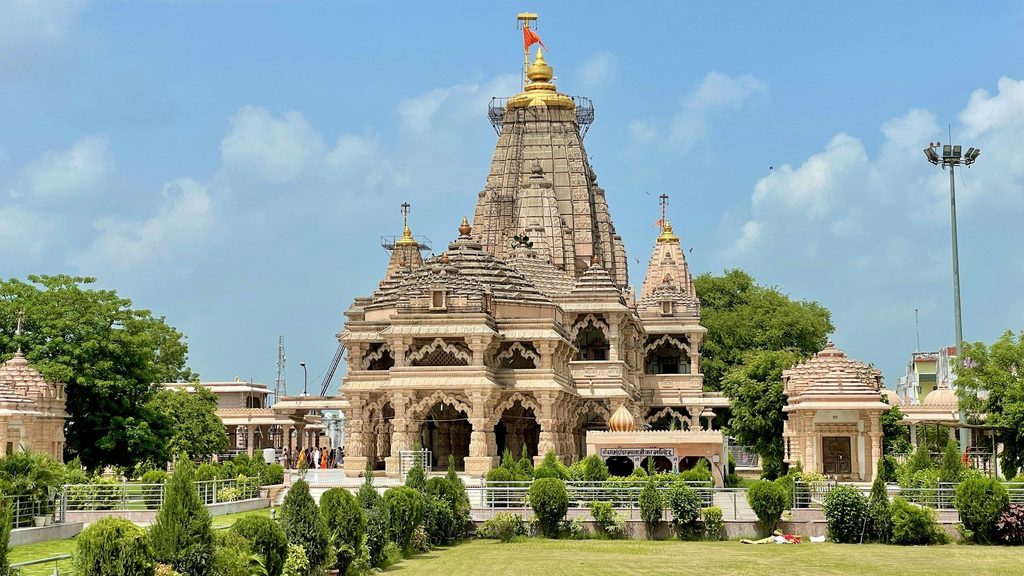
    2. Sanwariyaji Temple

    Located on the Chittorgarh-Udaipur highway, this temple dedicated to Lord Krishna is a significant pilgrimage site.

    3. Bhainsrorgarh Fort

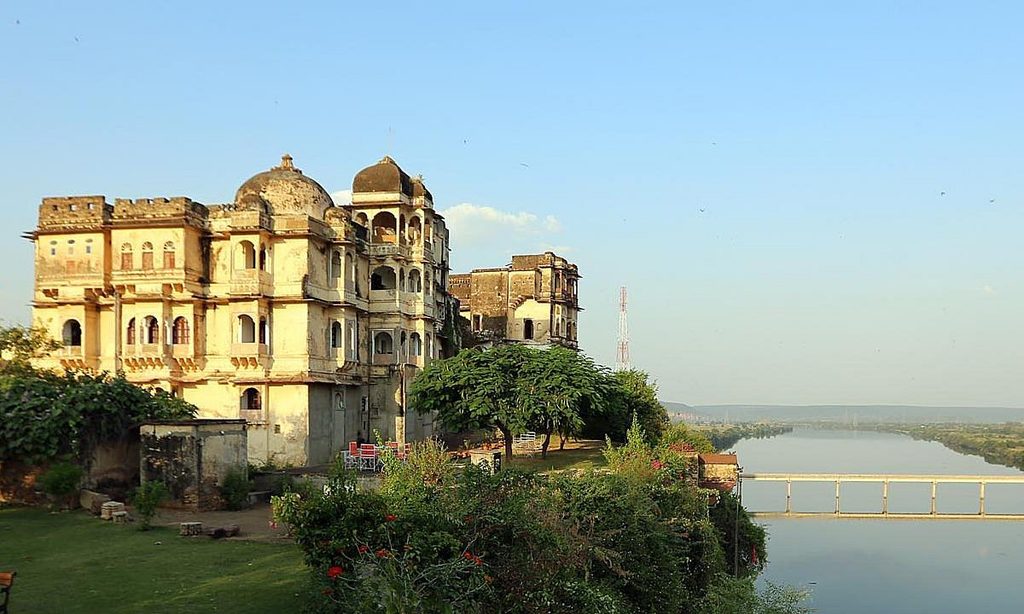
    Overlooking the Chambal River, this fort offers a serene and picturesque view, ideal for photographers and history buffs.

    4. Sitamata Wildlife Sanctuary

    Home to a diverse range of flora and fauna, this sanctuary also holds mythological significance, believed to be the place where Goddess Sita stayed during her exile.

    Cultural Experiences

    To truly immerse in the local culture, visitors can engage in various experiences:

    Folk Performances

    Attend a traditional Rajasthani folk music and dance performance, which often takes place in the city’s heritage hotels and cultural centers.

    Craft Workshops

    Participate in workshops to learn about and create traditional Rajasthani crafts like puppet-making and fabric painting.

    Events and Festivals

    Chittorgarh’s calendar is dotted with vibrant festivals:

    • Jauhar Mela: Held annually to honor the bravery of the ancestors and the spirit of Rajput heroes.
    • Gangaur Festival: A colorful celebration dedicated to Goddess Gauri, marked by processions and cultural programs.

    Practical Information

    • Language: The primary language is Hindi, but English is understood in tourist areas.
    • Safety: Chittorgarh is generally safe for tourists, but standard precautions for personal safety and belongings should be taken.
    • Connectivity: Most hotels and cafes offer Wi-Fi; mobile connectivity is good throughout the city

    Conclusion

    Chittorgarh, with its rich history, vibrant culture, and breathtaking architecture, offers an unforgettable experience to its visitors. Whether it’s exploring ancient ruins, enjoying local delicacies, or witnessing the colorful festivals, the city has something for everyone. A journey to Chittorgarh is not just a trip to a destination; it’s a voyage into the heart of Rajasthan’s royal heritage, a narrative of heroism and pride that continues to resonate through the ages.

    For anyone looking to delve into the heart of Rajasthani heritage, Chittorgarh is a must-visit. Its enduring spirit and timeless allure make it a jewel in the crown of Rajasthan’s rich historical landscape.

  • Savoring the Best Dal Bati Delights: A Guide to Chittorgarh’s Top Restaurants

    Savoring the Best Dal Bati Delights: A Guide to Chittorgarh’s Top Restaurants

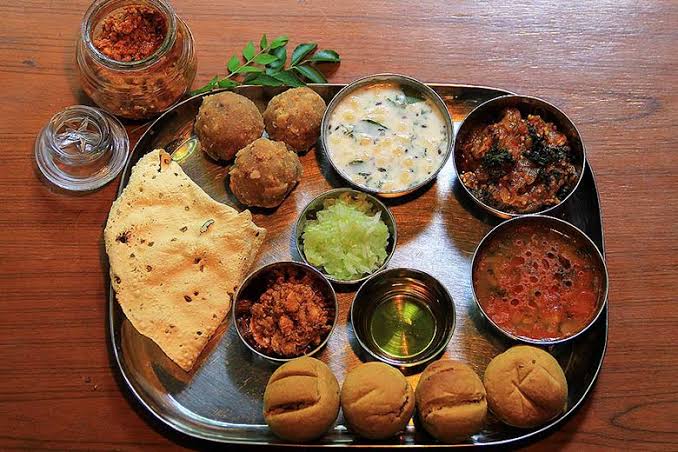
    Nestled in the heart of Rajasthan, Chittorgarh is not just known for its majestic forts and rich history but also for its delectable culinary offerings. Among its culinary treasures, the traditional Rajasthani dish, Dal Bati, stands out as a beloved favorite. For those seeking an authentic culinary experience, exploring the best Dal Bati restaurants in Chittorgarh is a must. Here’s a curated guide to the top establishments that promise to tantalize your taste buds:

    1. RR Dhaba

    Location: Udaipur Road, Chittorgarh

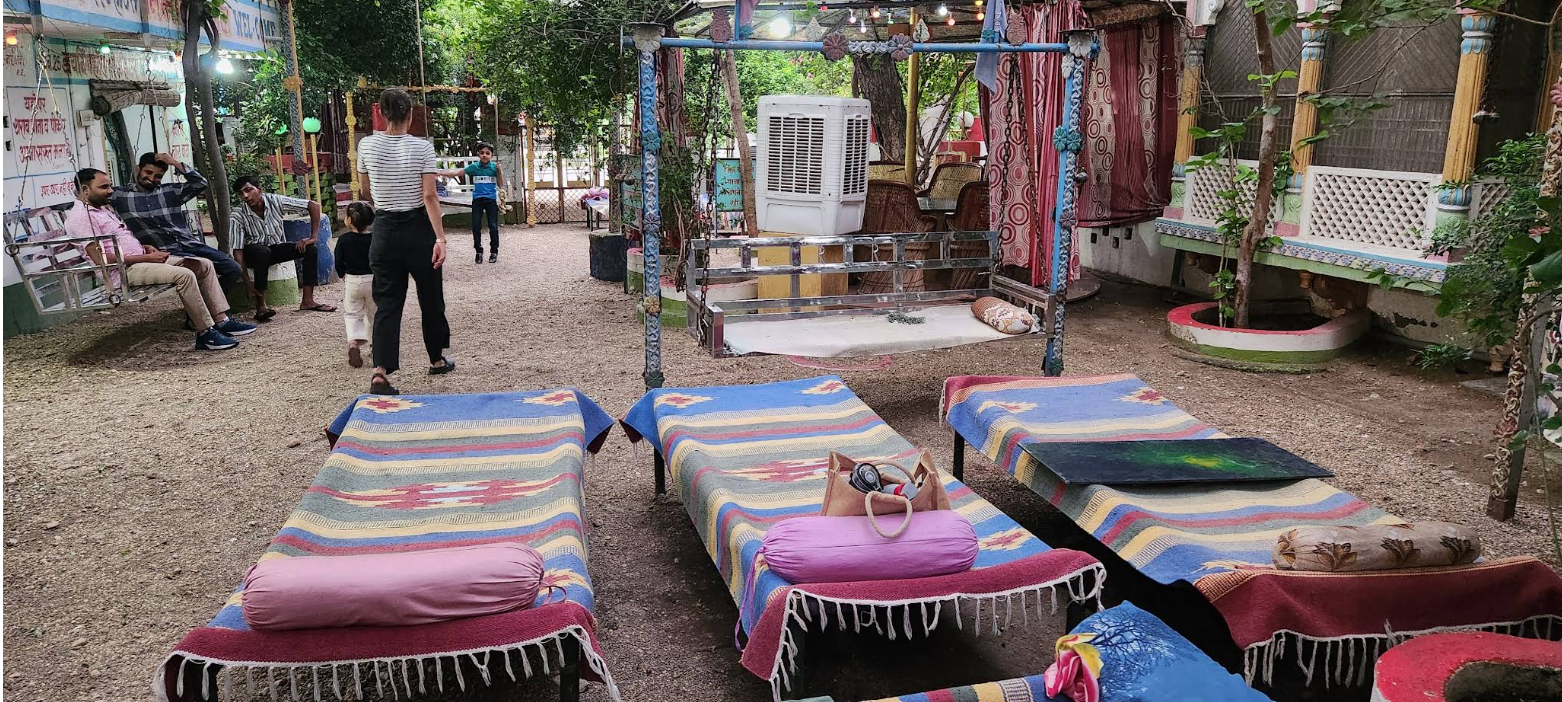
    RR Dhaba is a gem tucked away near the railway station, offering a rustic charm that perfectly complements its mouthwatering Dal Bati. The ambiance is simple yet inviting, with the focus squarely on the flavorsome dishes served here. The Dal is simmered to perfection, rich in traditional spices, while the Bati is baked to golden perfection, ensuring a delightful crunch with every bite. The friendly staff and affordable prices make RR Dhaba a favorite among locals and tourists alike.

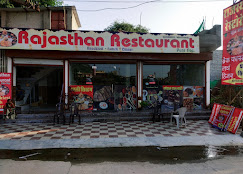
    2. Rajasthan Restaurant

    Location: Fort Rd, near LIC office, Chittorgarh

    Rajasthan Restaurant exudes a regal ambiance that mirrors the grandeur of its namesake state. Here, diners can indulge in a royal feast featuring authentic Rajasthani cuisine, with Dal Bati taking center stage. The restaurant prides itself on using the finest ingredients and traditional cooking methods to create dishes that pay homage to the region’s culinary heritage. Whether you’re a first-time visitor or a seasoned food enthusiast, Rajasthan Restaurant promises a dining experience fit for royalty.

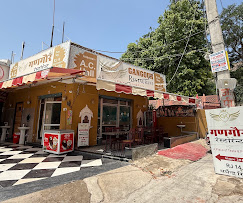
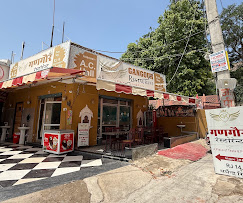
    3. Gangour Restaurant

    Location: Padan Pole, Fort Rd, Chittorgarh

    Gangour Restaurant is a popular haunt for those craving the comforting flavors of home-cooked Rajasthani meals. Their rendition of Dal Bati is nothing short of spectacular, with each component meticulously prepared to perfection. The Dal is velvety smooth, infused with aromatic spices, while the Bati is crispy on the outside and soft on the inside, just as it should be. The restaurant’s warm hospitality and homely atmosphere make it a favorite spot for families and food lovers alike.

    4. Barbarik Restaurant

    Location: Inside Fort, near Ratan Singh Palace, Chittorgarh Fort Village, Chittorgarh

    Barbarik Restaurant is renowned for its diverse menu featuring an array of Rajasthani delicacies, with Dal Bati being a standout dish. Here, diners can expect generous portions bursting with authentic flavors that evoke memories of traditional home cooking. The restaurant’s cozy ambiance and attentive service add to the overall dining experience, making it a must-visit destination for anyone exploring the culinary landscape of Chittorgarh.

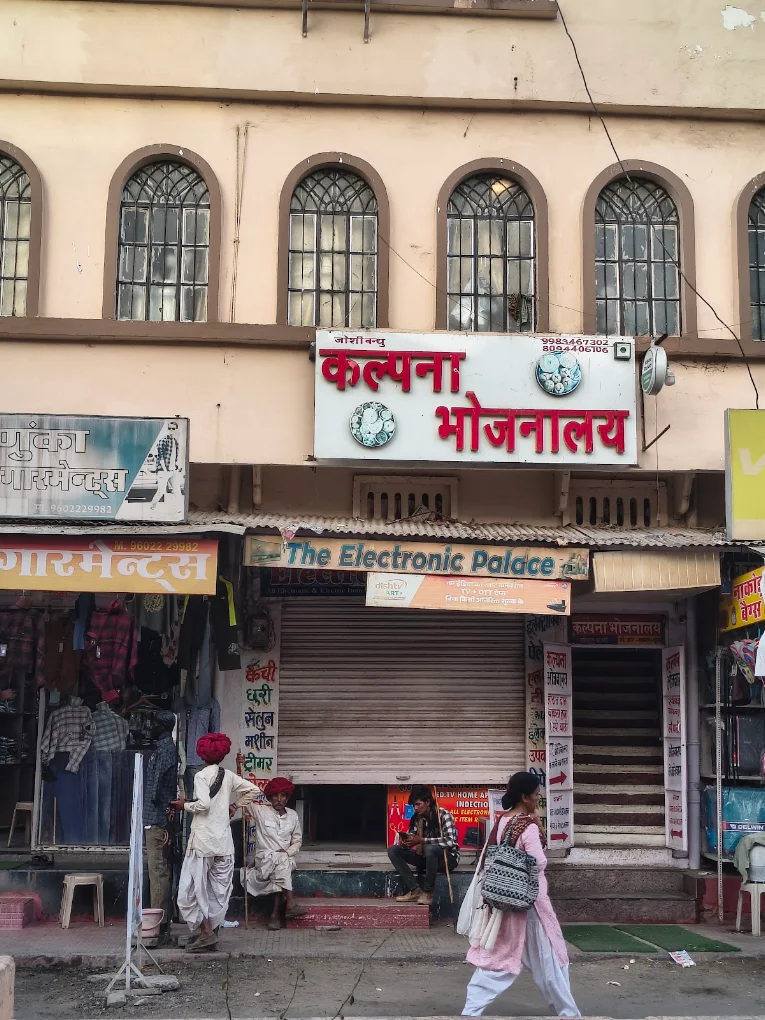
    5. Kalpana Restaurant

    Location: Fort Rd, Rana Sanga Bazar, Sector1, Gandhi Nagar, Chittorgarh

    Kalpana Restaurant is a hidden gem known for its soul-satisfying Dal Bati that keeps patrons coming back for more. The restaurant prides itself on using fresh, locally sourced ingredients to create dishes that showcase the true essence of Rajasthani cuisine. Whether you opt for the traditional Dal Bati thali or explore other offerings from their menu, Kalpana Restaurant promises a gastronomic journey that celebrates the rich culinary heritage of the region.
    conclusion

    Chittorgarh’s culinary scene offers a delightful blend of flavors and traditions, with Dal Bati reigning supreme as a quintessential Rajasthani delicacy. Whether you’re a devout foodie or simply curious to explore the local cuisine, the aforementioned restaurants promise an unforgettable dining experience that captures the essence of Rajasthan’s rich culinary heritage. So, the next time you find yourself in Chittorgarh, be sure to embark on a gastronomic adventure to discover the best Dal Bati delights the city has to offer.
  • Best Monsoon Places to Visit in Chittorgarh: Embrace the Beauty of the Rainy Season

    Best Monsoon Places to Visit in Chittorgarh: Embrace the Beauty of the Rainy Season

    Chittorgarh, renowned for its historical forts and rich cultural heritage, transforms into a mesmerizing landscape during the monsoon season. The lush greenery, invigorated rivers, and cascading waterfalls present a picturesque setting for travelers looking to explore the city’s natural beauty. Whether you’re a nature enthusiast, a history buff, or simply seeking serenity, Chittorgarh offers several captivating spots to visit during the monsoon. This article highlights some of the best monsoon destinations in Chittorgarh, including Niliya Mahadev, Menal Waterfall, Abhaypur Ghata, Bassi Dam, Ghosunda Dam, and other enchanting locales.

    1. Niliya Mahadev

    Location: Niliya Village, 35 km from Chittorgarh

    Nestled in the tranquil village of Niliya, Niliya Mahadev is a revered temple dedicated to Lord Shiva. The monsoon season breathes new life into the surroundings, making it an ideal time to visit this sacred site. The temple is perched amidst lush greenery and offers breathtaking views of the rain-soaked landscape. The serene environment, coupled with the rhythmic sound of raindrops and the gentle flow of the nearby stream, creates a spiritually uplifting experience. The path leading to the temple, flanked by dense foliage and vibrant flora, becomes particularly enchanting during the rains.

    2. Menal Waterfall

    Location: Menal Village, 45 km from Chittorgarh

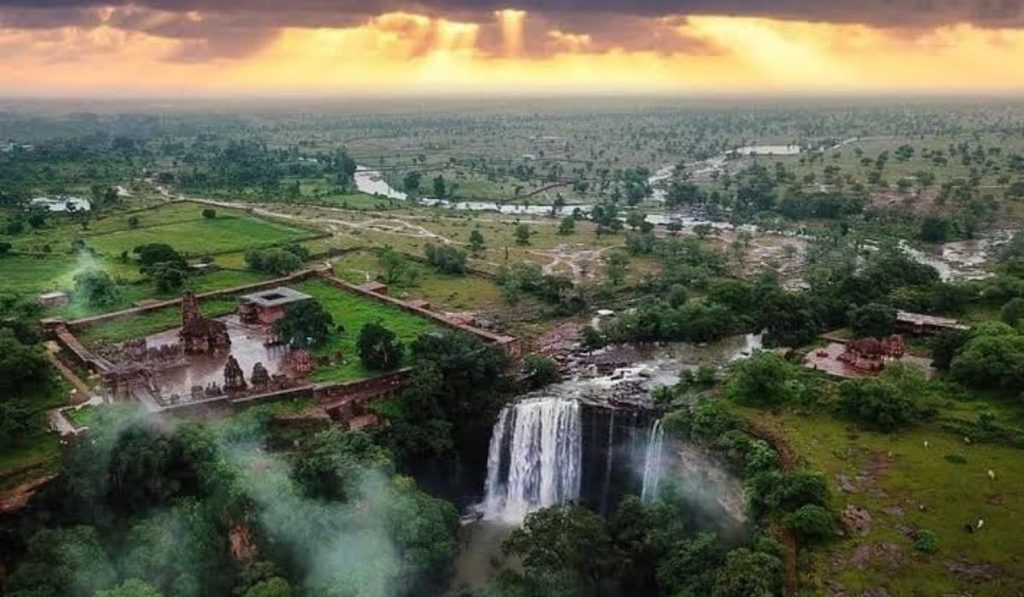
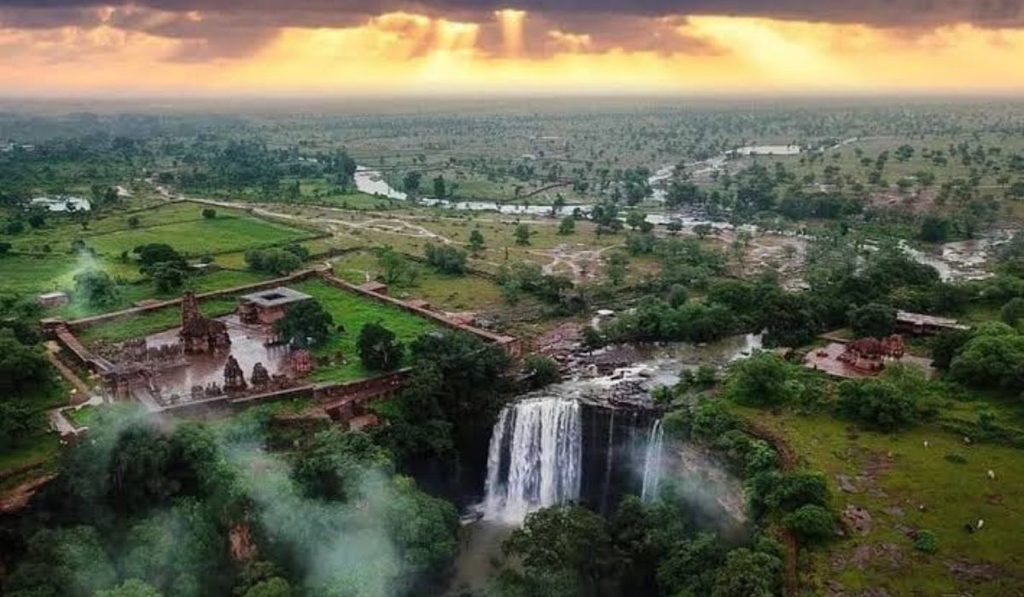
    Menal Waterfall is a hidden gem that comes alive during the monsoon season. This spectacular waterfall cascades down from a height, creating a stunning visual treat as it plunges into the rocky basin below. The surrounding area, adorned with lush greenery and a variety of flora, becomes even more vibrant and lush with the onset of the rains. The refreshing coolness of the waterfall, combined with the lush landscape, makes Menal Waterfall a perfect destination for a monsoon outing. It’s an excellent spot for nature lovers and photographers eager to capture the scenic beauty.

    3. Abhaypur Ghata

    Location: Abhaypur Village, 60 km from Chittorgarh

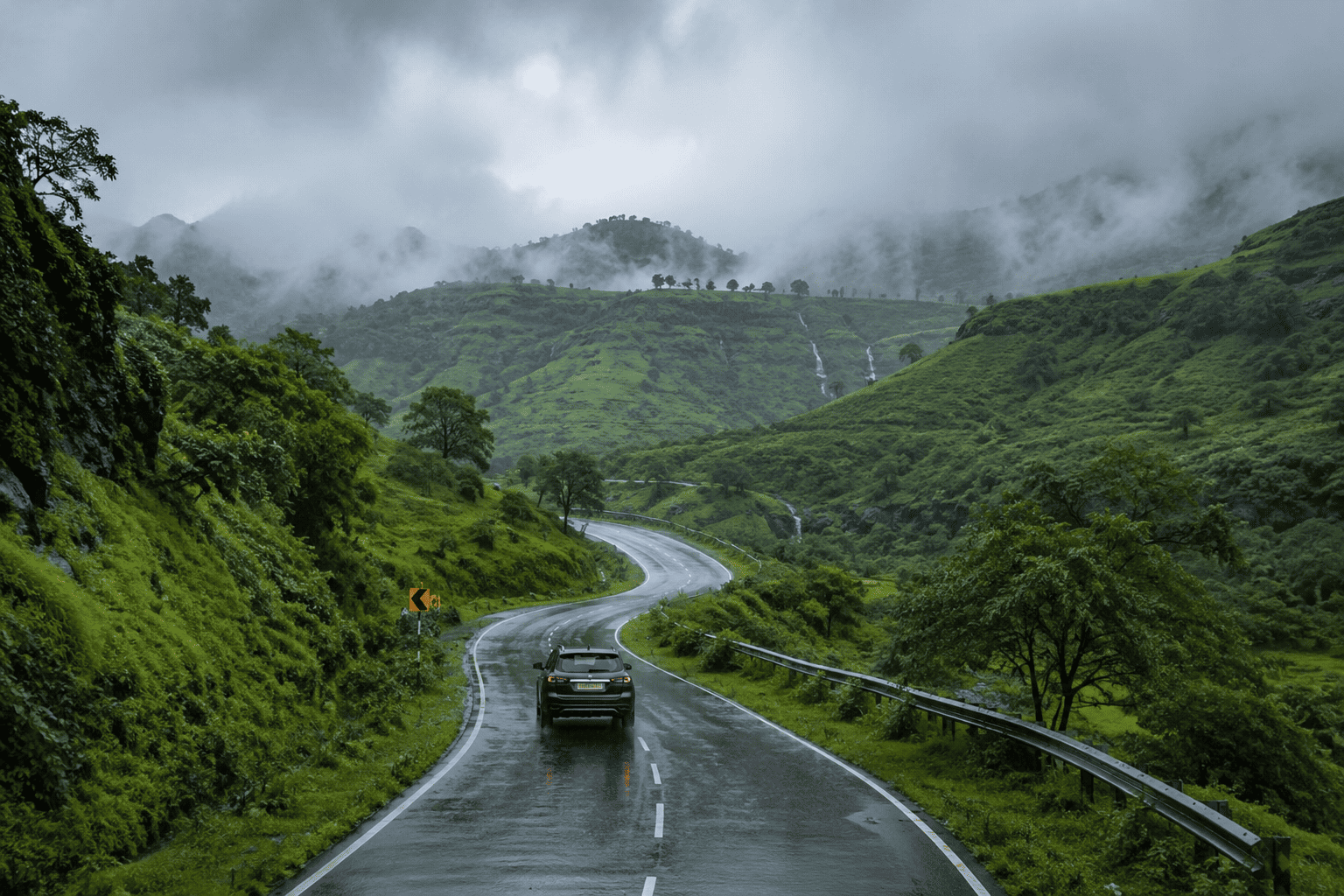
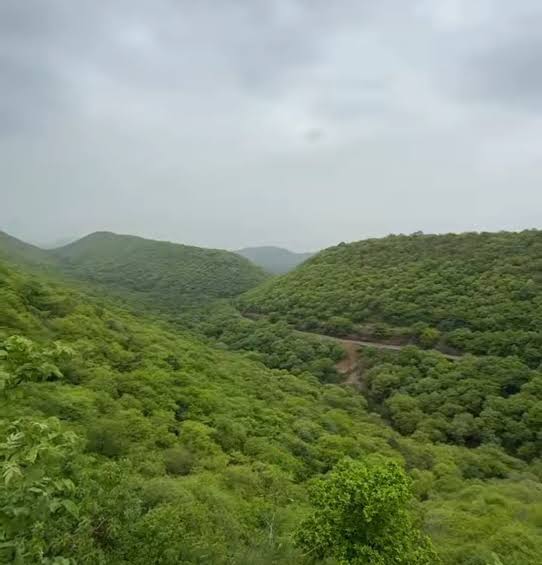
    Abhaypur Ghata is a serene and picturesque spot known for its natural beauty and tranquility. During the monsoon, the ghata (valley) transforms into a lush green expanse, with rain-fed streams and rivulets adding to its charm. The cool, misty atmosphere and the gentle patter of rain make it an ideal place for a relaxing retreat. The location offers panoramic views of the surrounding hills and valleys, making it a perfect spot for nature enthusiasts and those looking to escape the hustle and bustle of city life.

    4. Bassi Dam

    Location: Bassi Village, 35 km from Chittorgarh

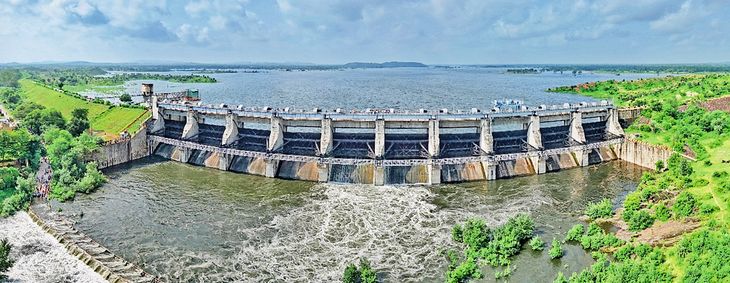
    Bassi Dam is a popular destination for those seeking a peaceful getaway amidst nature. During the monsoon, the dam is filled to its brim, creating a vast expanse of water that reflects the lush greenery of the surroundings. The sight of the rainwater cascading into the dam and the serene environment make it an ideal spot for picnics and leisurely boat rides. The area around the dam is perfect for a relaxing day out, with opportunities for bird watching and enjoying the natural beauty of the rain-soaked landscape.

    5. Ghosunda Dam

    Location: Ghosunda Village, 50 km from Chittorgarh

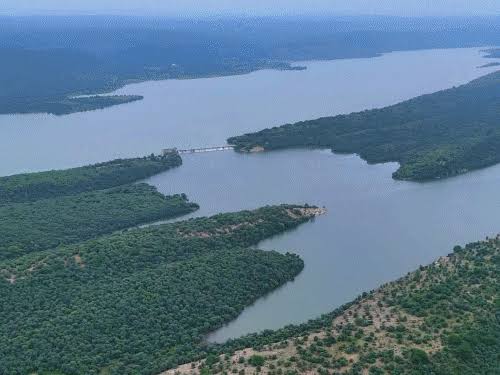
    Ghosunda Dam is another excellent destination to explore during the monsoon season. The dam is surrounded by verdant hills and dense forests, which become even more enchanting with the arrival of the rains. The monsoon transforms the area into a lush green paradise, with the dam’s reservoir reflecting the vibrant colors of the landscape. Visitors can enjoy a peaceful walk along the dam, take in the scenic views, and appreciate the beauty of nature in its full glory. The cool breeze and the rhythmic sound of raindrops add to the tranquil ambiance of the place.

    6. Chittorgarh Fort

    Location: Heart of Chittorgarh

    While Chittorgarh Fort is primarily known for its historical significance, it also offers stunning views during the monsoon season. The fort’s sprawling complex, with its ancient structures and fortifications, is surrounded by lush greenery that becomes even more vibrant with the rains. The monsoon season adds a unique charm to the fort, with mist rolling over the landscape and the fort’s walls reflecting the rain-soaked atmosphere. Exploring the fort during this time provides a different perspective on its historical grandeur and natural beauty.

    Tips for Visiting During the Monsoon

    • Carry Rain Gear: Ensure you have umbrellas, raincoats, and waterproof footwear to stay comfortable and dry.
    • Check Weather Conditions: Before heading out, check the weather forecast to avoid any potential disruptions due to heavy rain.
    • Be Cautious: Some of the terrain might be slippery, so exercise caution while exploring the natural spots.
    • Respect Nature: Avoid littering and respect the natural environment to preserve its beauty for future visitors.

    Conclusion

    Chittorgarh’s monsoon season brings a fresh and vibrant charm to its already enchanting landscapes. From the serene Niliya Mahadev Temple to the breathtaking Menal Waterfall and the tranquil Bassi Dam, the city offers a diverse range of natural wonders to explore. Embrace the beauty of the rain-soaked surroundings, and enjoy the unique experiences that Chittorgarh has to offer during this magical season. Whether you’re a local resident or a visitor, the monsoon months present an excellent opportunity to explore the hidden gems and scenic spots of this historic city.

  • History of Sanwariya Ji Temple

    History of Sanwariya Ji Temple

    The History and Guide to Sanwariya Ji Temple in Chittorgarh

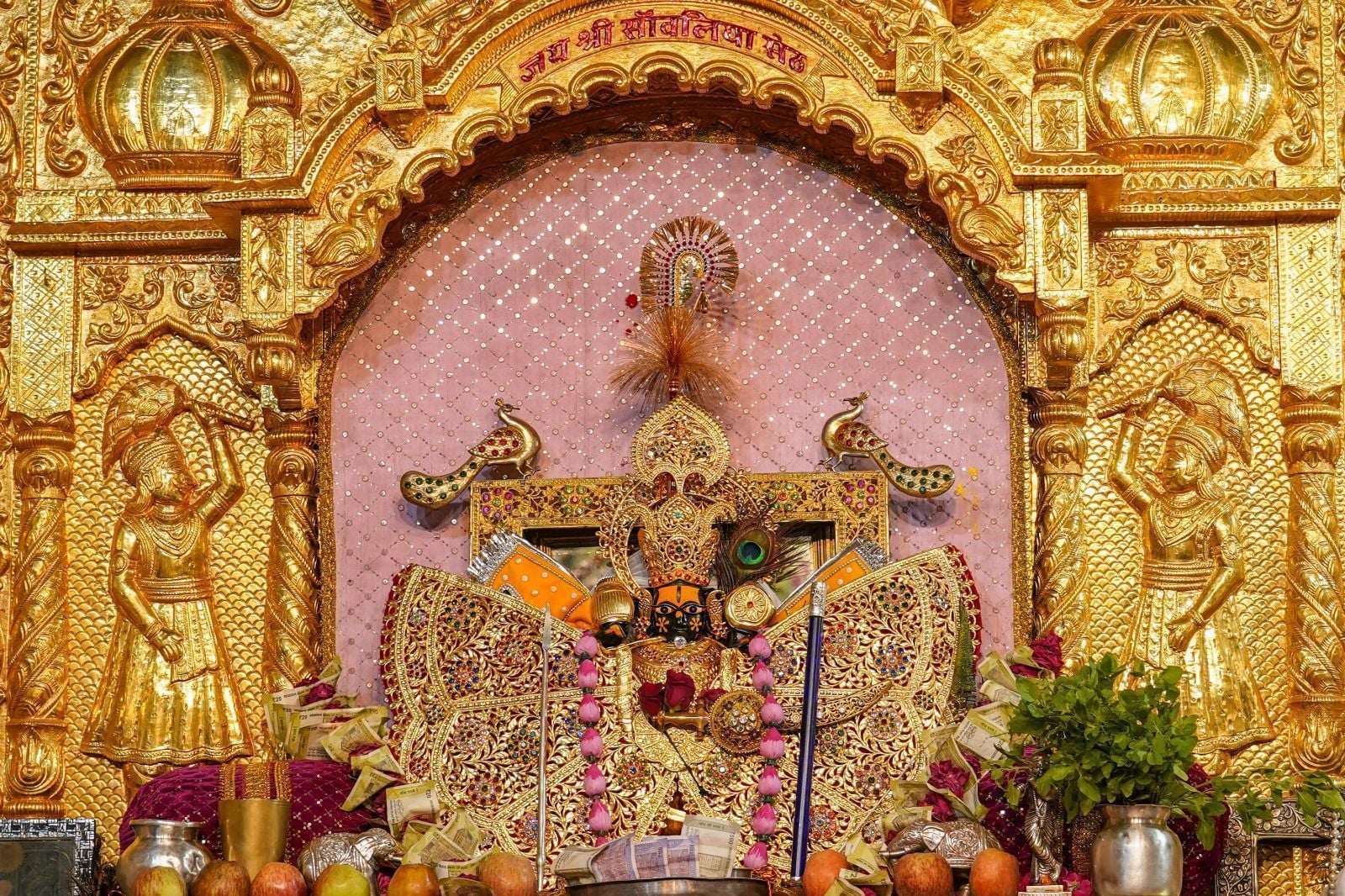
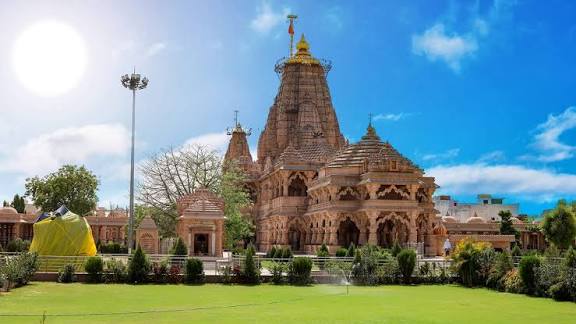
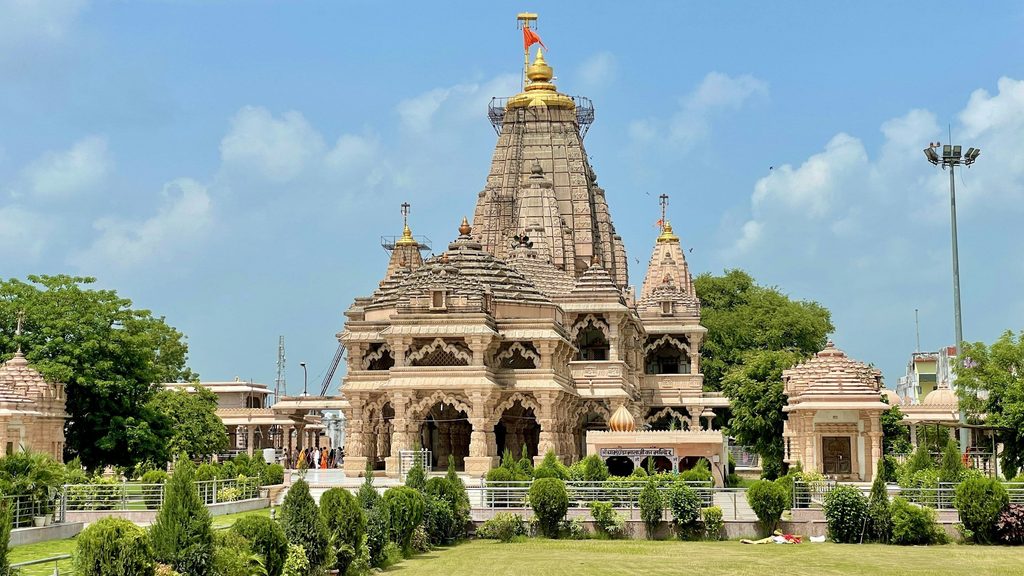
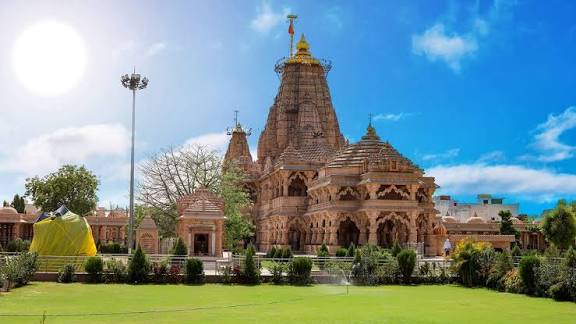
    Sanwariya Ji Temple, located in the Chittorgarh district of Rajasthan, is one of the most revered temples dedicated to Lord Krishna. This temple attracts thousands of devotees from all over India who come to seek blessings and experience the divine presence of Shri Sanwariya Seth, an incarnation of Lord Krishna. The temple is famous for its unique black idol of Lord Krishna, which is believed to fulfill the wishes of devotees.

    The origins of the Sanwariya Ji Temple date back to the early 19th century when three divine idols of Lord Krishna were discovered buried in the Bhadsoda-Bagund area near Chittorgarh. These idols were later installed in three different temples, with one placed at Mandaphia, which is now the main Sanwariya Ji Temple. Over the years, the temple has grown into a major pilgrimage site, often compared to Shrinathji of Nathdwara due to its deep spiritual significance and vibrant religious activities.

    Distance of Sanwariya ji Temple from Chittorgarh

    Sanwariya Ji Temple is located approximately 40 km from Chittorgarh, making it an easy and convenient visit for pilgrims and tourists.

    Distance of Sanwariya ji Temple from Udaipur

    The temple is about 110 km from Udaipur, a popular tourist destination known for its lakes and palaces.

    How to Reach Sanwariya Ji Temple

    From Chittorgarh

    1. By Road: The temple is well connected by road, and visitors can take a private taxi, cab, or state-run buses from Chittorgarh to reach the temple within an hour.
    2. By Train: Chittorgarh has a well-connected railway station, and from there, one can hire a taxi or take a bus to reach the temple.

    From Udaipur

    1. By Road: Regular buses and taxis are available from Udaipur to Sanwariya Ji Temple. The journey takes approximately 2 to 2.5 hours.
    2. By Train: Udaipur also has a railway station with good connectivity. From Udaipur Railway Station, you can hire a taxi to reach the temple.

    Sanwariya Ji Temple Timings and Best Time to Visit

    • Temple Open Timings: The temple opens early in the morning and remains accessible to devotees throughout the day. The general schedule is as follows:
      • Mangala Aarti: 5:30 AM
      • Shringar Aarti: 7:30 AM
      • Rajbhog Aarti: 11:00 AM
      • Sandhya Aarti: 6:30 PM
      • Shayan Aarti: 10:00 PM
    • Best Time to Visit: While the temple is open throughout the year, the best time to visit is during major festivals such as Janmashtami, Holi, and Diwali, when the temple is beautifully decorated and special prayers are conducted.

    Other Attractions Near Sanwariya Ji Temple

    If you are planning to visit Sanwariya Ji Temple, you may also want to explore nearby attractions:

    • Chittorgarh Fort: A UNESCO World Heritage Site, about 40 km away.
    • Ranakpur Jain Temple: Known for its intricate architecture, approximately 160 km away.
    • Nathdwara: Home to the famous Shrinathji Temple, about 100 km from Sanwariya Ji Temple.

    Conclusion

    Sanwariya Ji Temple is a must-visit spiritual destination in Rajasthan. With its deep historical roots, divine significance, and easy accessibility from Chittorgarh and Udaipur, it continues to be a beacon of faith for millions. Whether you are visiting for religious purposes or to explore Rajasthan’s cultural heritage, a trip to Sanwariya Ji Temple will undoubtedly be a fulfilling experience.

  • Legends of Chittorgarh: Unraveling the Heroic Tales of Rajput Valor and Sacrifice

    Legends of Chittorgarh: Unraveling the Heroic Tales of Rajput Valor and Sacrifice

    Chittorgarh, one of the most iconic cities of Rajasthan, is not just known for its massive fort and stunning architecture, but also for the powerful legends that echo through its walls. These tales are more than just stories—they are a reflection of the valor, sacrifice, honor, and unshakable spirit of the Rajput rulers and their people. The Fort of Chittorgarh, a UNESCO World Heritage Site, stands as a living chronicle of heroism, bloodshed, and legacy.

    In this article, we delve into the most legendary stories of Chittorgarh that continue to fascinate historians, travelers, and cultural enthusiasts alike.

    1. The Legend of Rani Padmini and the Jauhar of Chittor

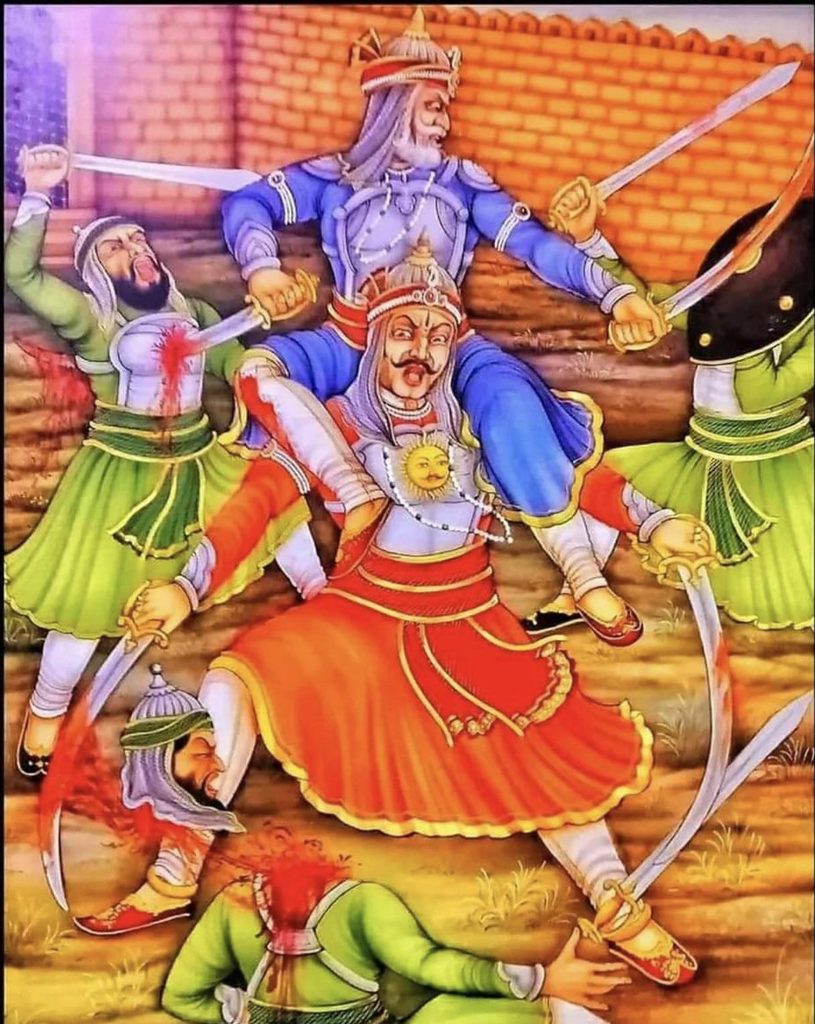
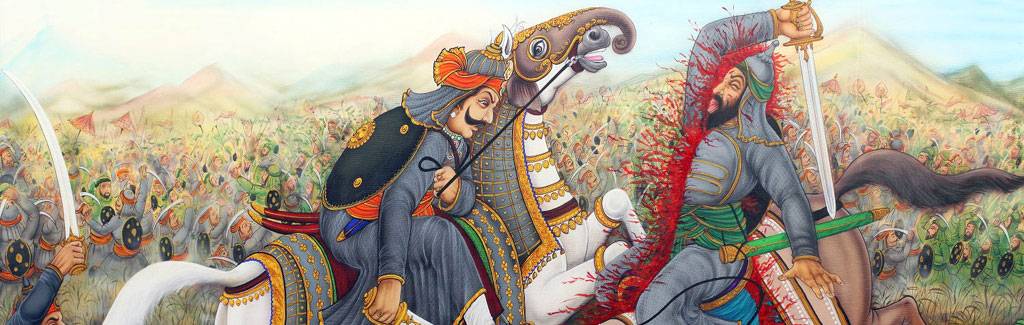
    Perhaps the most well-known tale is that of Rani Padmini, the beautiful queen of Rana Ratan Singh. Her beauty and valor became legendary across the subcontinent. According to folklore, Sultan Alauddin Khilji, upon hearing tales of her beauty, marched to Chittorgarh to capture her. When diplomacy failed, a fierce battle ensued.

    Rather than surrendering to the invader, Rani Padmini led thousands of Rajput women into the fire in a ritual known as Jauhar, choosing death over dishonor. The bravery of Rani Padmini symbolizes Rajput pride and female valor and remains deeply revered in Rajasthan’s collective memory.

    2. The Tale of Maharana Pratap: The Lion of Mewar

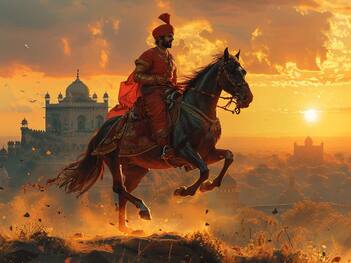
    Another celebrated legend associated with Chittorgarh is that of Maharana Pratap, the indomitable warrior who refused to submit to the Mughal Empire. Although Udaipur later became his capital, his roots were in Chittorgarh.

    The epic Battle of Haldighati between Maharana Pratap and the Mughal forces under Man Singh is a highlight of this story. Even after facing immense hardships, Maharana Pratap never bowed down. His loyal horse, Chetak, is equally legendary, known for his fierce loyalty and sacrifice.

    3. The Siege of Chittorgarh by Bahadur Shah

    Chittorgarh faced its second major siege in 1535 when Bahadur Shah of Gujarat attacked the fort. After a prolonged battle, once again, the fort’s defenders chose death over disgrace. Rani Karnavati, a widowed queen, performed Jauhar along with thousands of other women, while the men marched into battle to certain death.

    This legend also includes the famous incident of Rani Karnavati sending a rakhi to Mughal Emperor Humayun, seeking protection—a tale that adds a dimension of emotional depth and drama to the legend of Chittorgarh.

    4. The Story of Jaimal and Patta: Teenage Warriors of Honor

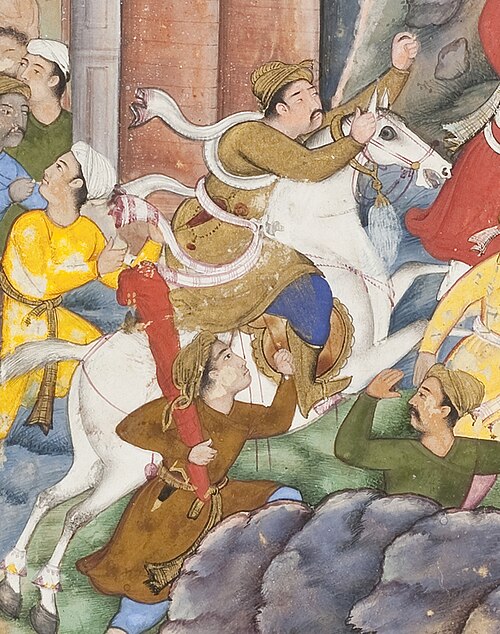
    During the third siege of Chittorgarh by Akbar in 1567, two young warriors, Jaimal Rathore and Patta Sisodia, defended the fort bravely. Their resistance is etched into local folklore for their incredible bravery at such a young age.

    Statues of Jaimal and Patta on horseback guard the entrance of Chittorgarh Fort to this day, symbolizing youthful courage and sacrifice in defense of their land and people.

    5. The Bhakti Movement and Meera Bai

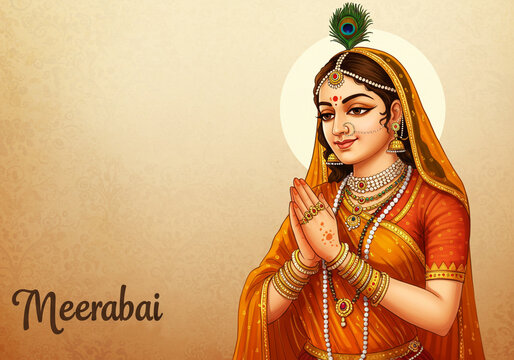
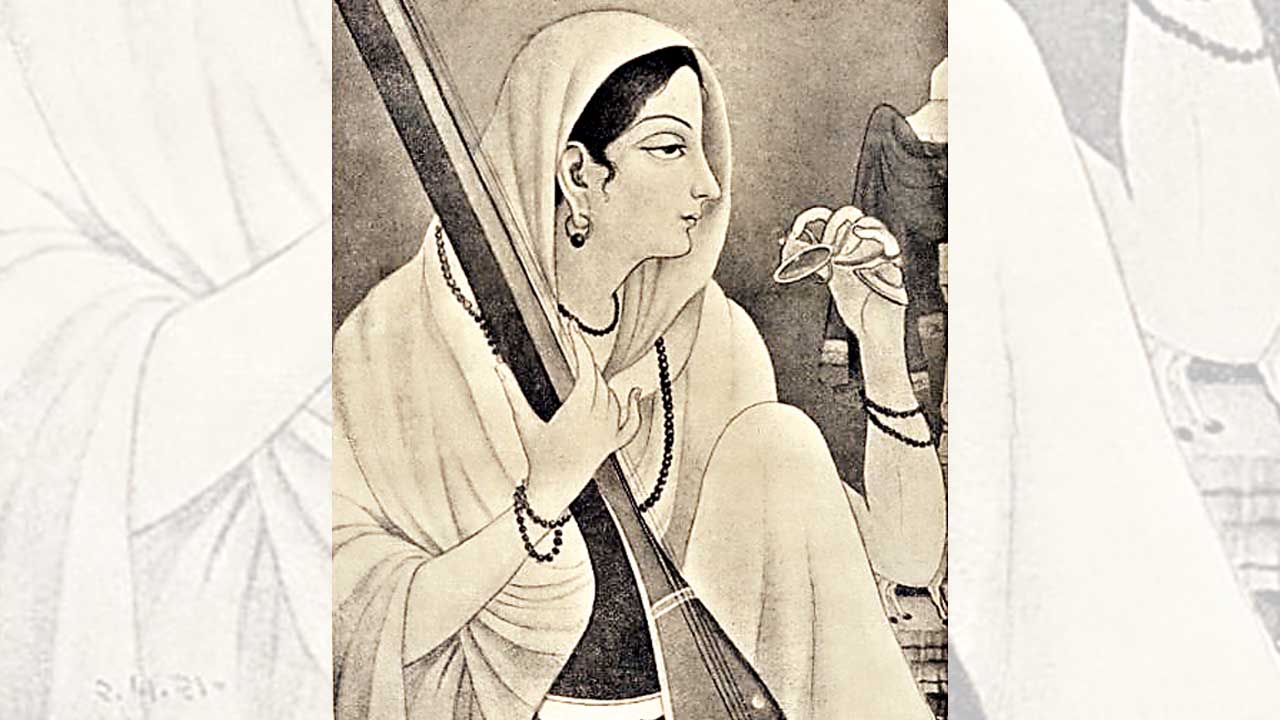
    Chittorgarh is also home to the legend of Meera Bai, the 16th-century poet-saint and a princess of Mewar. A devout follower of Lord Krishna, Meera’s spiritual journey and poetic compositions became a cornerstone of the Bhakti movement in India.

    Despite facing opposition from her own royal family due to her devotion, she continued her path of divine love. The Meera Temple inside the fort is a must-visit site for anyone interested in spirituality and poetry.

    Why These Legends Matter Today

    These stories aren’t just relics of the past. They are deeply ingrained in the cultural fabric of Rajasthan and serve as timeless reminders of the values of honor, sacrifice, and resistance against tyranny.

    Tourists flock to Chittorgarh not just to witness the majestic stone walls of the fort but also to stand where history was made—to walk the paths of warriors, queens, saints, and visionaries.


    Must-Visit Sites Related to These Legends

    • Rani Padmini’s Palace – A serene yet haunting place linked to her tragic tale.
    • Vijay Stambh (Tower of Victory) – Built by Rana Kumbha to commemorate his victories.
    • Kirti Stambh (Tower of Fame) – An important Jain monument inside the fort.
    • Meera Temple – A peaceful shrine dedicated to the poet-saint.
    • Gaumukh Reservoir – A natural spring with historical significance.

    Conclusion

    The legends of Chittorgarh are more than just myth or history—they are emotional narratives that define the Rajput identity and inspire millions. From the fearless queen Rani Padmini to the lionhearted Maharana Pratap, every stone of Chittorgarh tells a tale of incredible valor.

    If you’re a traveler, historian, or cultural enthusiast, Chittorgarh is a place where stories breathe and the

  • Hidden Gems Around Chittorgarh You Shouldn’t Miss

    Hidden Gems Around Chittorgarh You Shouldn’t Miss

    Chittorgarh, a city steeped in history and valor, is one of Rajasthan’s most iconic destinations. While the majestic Chittorgarh Fort, a UNESCO World Heritage Site, often steals the spotlight, the areas surrounding the city are dotted with lesser-known yet equally fascinating treasures. These hidden gems, ranging from serene temples and ancient ruins to quaint villages and unexplored natural retreats, provide travelers with a deeper, more authentic experience of Rajasthan’s cultural richness. If you’re planning a visit to Chittorgarh, make sure to step off the beaten path and explore these captivating locales around the city.

    1. Menal – The Miniature Khajuraho

    Located about 90 kilometers from Chittorgarh on the Chittorgarh–Bundi road, Menal is often referred to as the “Khajuraho of Rajasthan” due to its erotic sculptures and temple architecture reminiscent of the Khajuraho temples in Madhya Pradesh. The ancient temples of Menal date back to the 11th and 12th centuries and are surrounded by dense forests and a scenic waterfall, making it an ideal mix of history and nature.

    The centerpiece is the Menal Shiva Temple, dedicated to Lord Shiva and built by King Someshwar. The temple’s intricate carvings, peaceful environment, and roaring waterfall during the monsoon season make it a hidden gem for history buffs and nature lovers alike.

    Best time to visit: July to September (for the waterfall), October to March (for pleasant weather)

    2. Sanwariyaji Temple – The Krishna Shrine with a Twist

    Around 40 kilometers from Chittorgarh lies the revered Sanwariyaji Temple, dedicated to Lord Krishna in his dark (Sanwariya) avatar. Unlike the more polished and structured temples of Nathdwara or Vrindavan, Sanwariyaji offers a rustic, earthy charm that adds to its spiritual appeal.

    Pilgrims and devotees believe the idol of Sanwariyaji has miraculous powers, drawing thousands of visitors, especially on special religious occasions. The local bazaar near the temple offers authentic Rajasthani items, sweets, and souvenirs.

    Why it’s a hidden gem: Despite its religious significance, it remains less commercialized, giving visitors an unfiltered spiritual experience.

    3. Nagari – The Forgotten Ancient Town

    Situated about 20 kilometers north of Chittorgarh, Nagari was once one of the most prominent cities in Rajasthan during the Mauryan period. Known historically as “Madhyamika,” the town is of immense archaeological importance. Excavations here have uncovered ancient inscriptions, coins, and remnants of Buddhist stupas, Jain temples, and Hindu shrines, highlighting its multi-religious past.

    The small museum and the ruins scattered around offer a quiet but profound journey through time. Nagari is perfect for travelers keen on exploring Rajasthan’s ancient history beyond its forts and palaces.

    4. Bassi Wildlife Sanctuary – A Peaceful Escape into the Wild

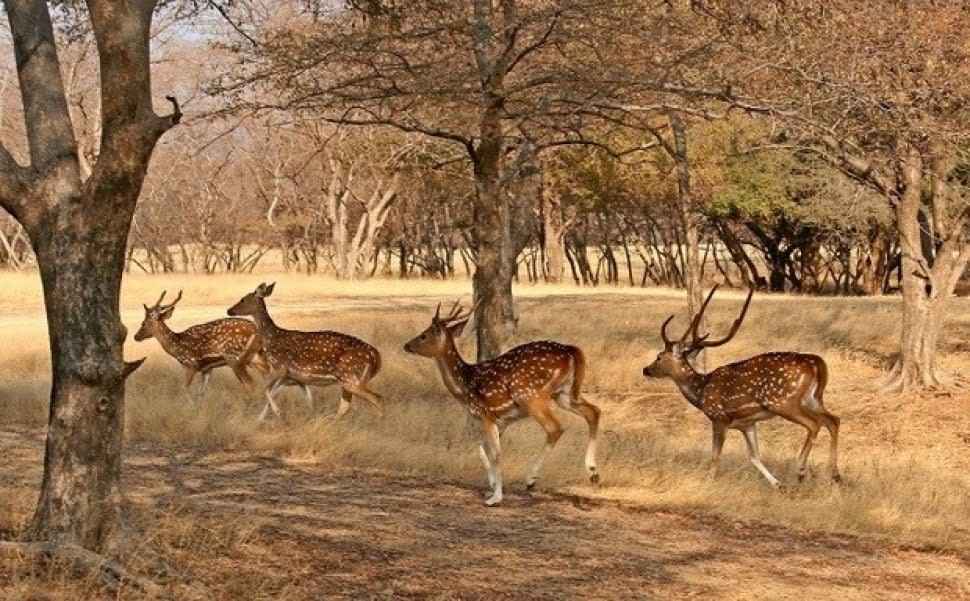
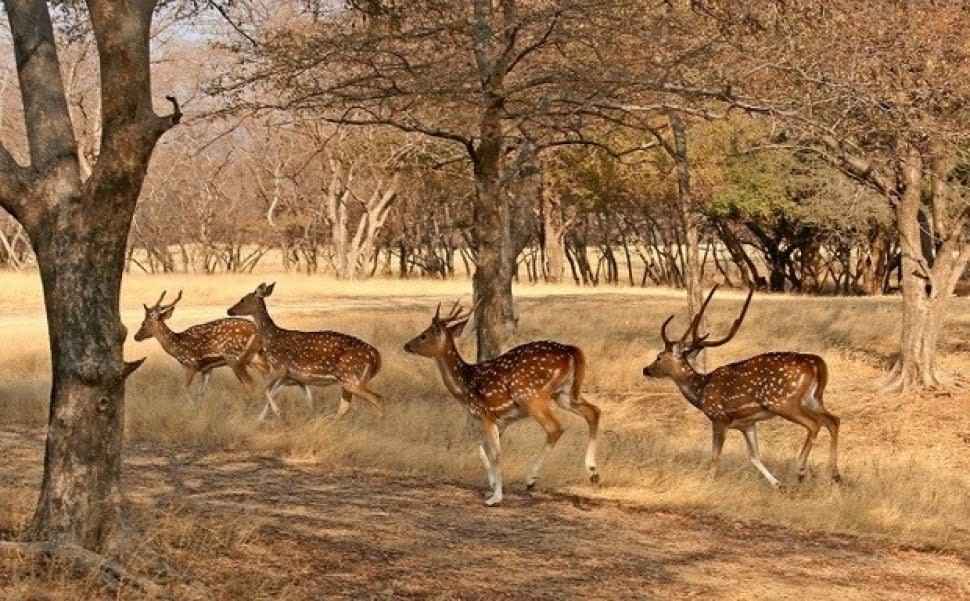
    For those who seek nature and tranquility, the Bassi Wildlife Sanctuary, located about 25 kilometers from Chittorgarh, is a true hidden treasure. This protected area is spread over 15,000 hectares and is home to a variety of animals including panthers, wild boars, antelopes, and numerous bird species.

    The sanctuary also encompasses the Orai and Bassi dams, which provide excellent picnic spots and birdwatching opportunities. Unlike the more popular Ranthambore or Sariska, Bassi offers solitude and unspoiled wilderness.

    Tip: You need prior permission from the forest department for entry, so plan accordingly.

    5. Sitamata Wildlife Sanctuary – Mythology and Nature Intertwined

    Located about 90 km from Chittorgarh in the Pratapgarh district, the Sitamata Wildlife Sanctuary is not only a haven for nature enthusiasts but also has a strong mythological connection. It is believed that Goddess Sita spent her exile in this forest, which adds a layer of reverence to its natural beauty.

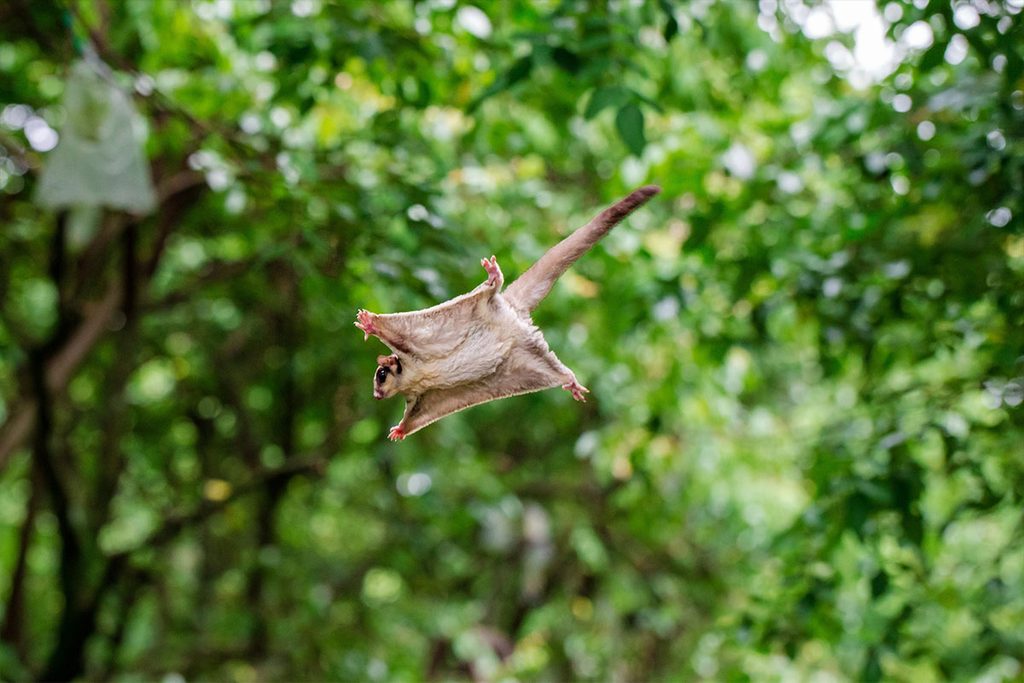
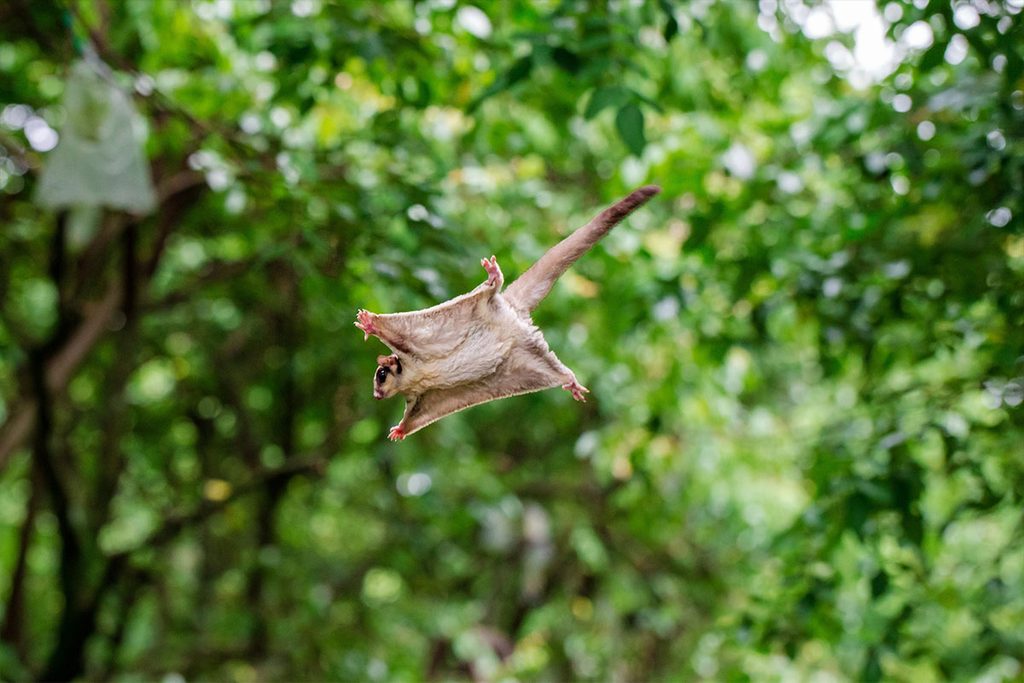
    The sanctuary is known for its rich biodiversity, especially the elusive flying squirrel and rare medicinal plants. The forested area, gushing rivers, and tribal settlements make this sanctuary an offbeat experience worth having.

    6. Baroli Temples – An Architectural Marvel

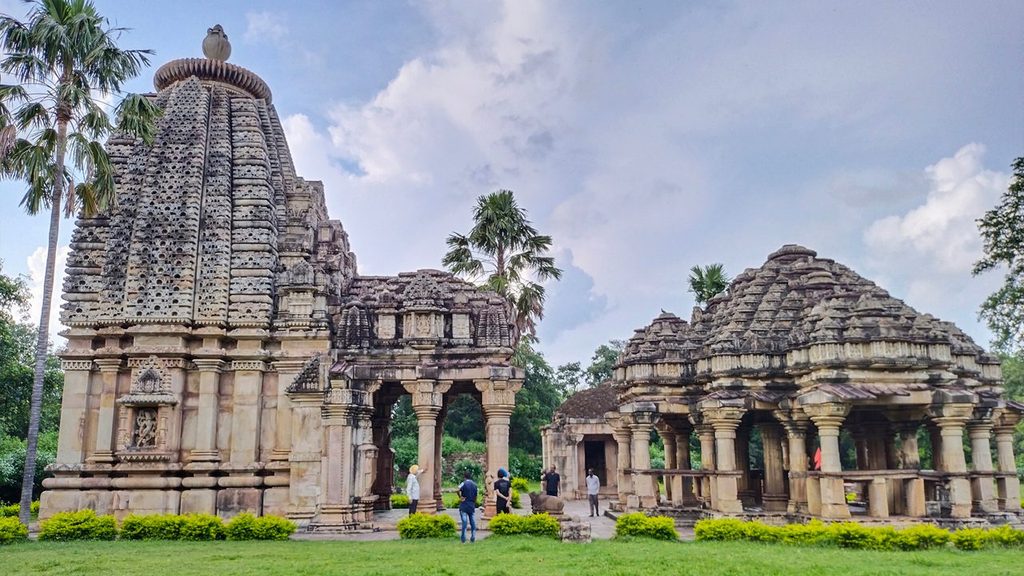
    About 110 km away near Rawatbhata, in the Baran district, lies a complex of ancient temples known as the Baroli or Badoli Temples. These temples date back to the 9th century and reflect early Gurjara-Pratihara architectural styles.

    Dedicated mainly to Lord Shiva and Vishnu, the temples are relatively unknown to most tourists, making them ideal for photography, meditation, and exploration. The quiet surroundings, lush greenery, and detailed stonework give it a mystical aura.

    Pro tip: Combine this trip with a visit to the Rana Pratap Sagar Dam nearby for a full-day excursion.

    7. Ratan Singh Palace – The Overlooked Historic Site

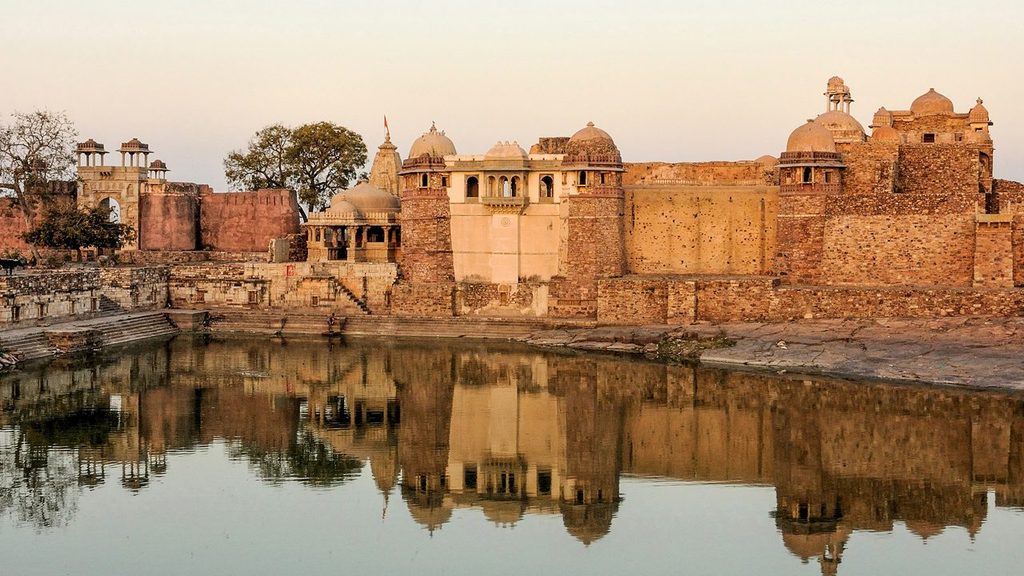
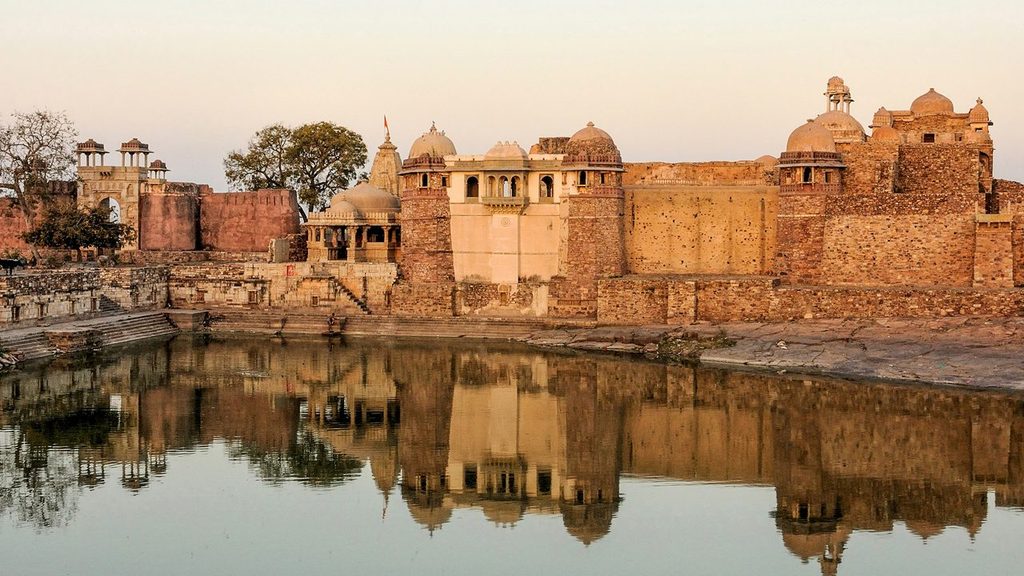
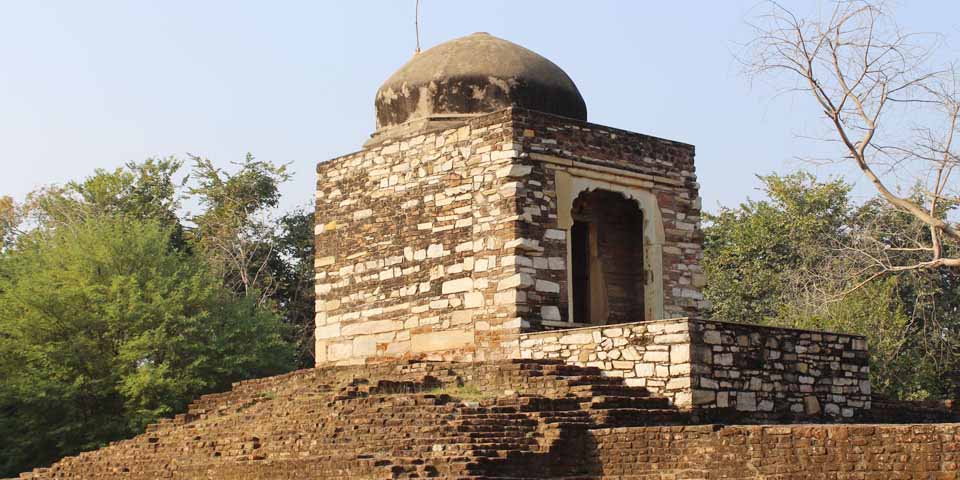
    While most visitors focus on the grand Rana Kumbha Palace or Padmini Palace inside the Chittorgarh Fort, the Ratan Singh Palace, located on the eastern side of the fort complex near Ratneshwar Talab, often gets overlooked.

    This palace offers stunning views, serene surroundings, and fewer crowds. The fortifications, temple inside the palace, and the adjacent water body make it a picturesque yet peaceful spot ideal for a quiet exploration of royal Rajput architecture

    8. Bhainsrorgarh – Riverside Royalty

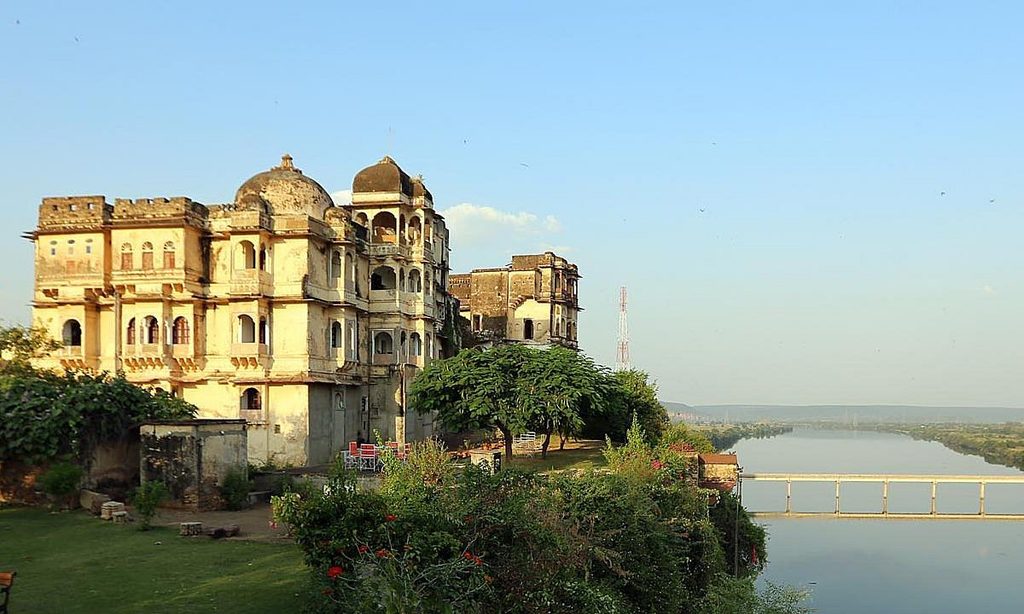
    Just a two-hour drive from Chittorgarh, Bhainsrorgarh Fort stands majestically on a cliff overlooking the Chambal River. This stunning site, surrounded by water on three sides, offers breathtaking panoramic views.

    Today, part of the fort is converted into a heritage hotel. Staying here allows you to experience regal hospitality, serene riverside sunsets, and local village culture. Unlike popular tourist hubs, Bhainsrorgarh offers exclusivity and tranquility—perfect for a romantic getaway or a reflective retreat.

    9. Deogarh – A Royal Town Untouched by Time

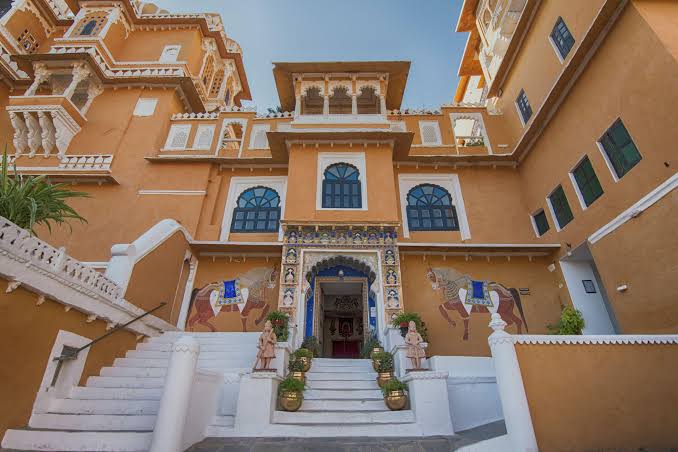
    Around 130 kilometers from Chittorgarh, the town of Deogarh is known for its palace, fresco paintings, and peaceful vibe. Deogarh Mahal, now a heritage hotel, is a sprawling complex offering a unique stay experience with traditional Rajasthani charm.

    The nearby Dashavatar Temple, dedicated to Lord Vishnu and built in the Gupta era, is an architectural and historical wonder, with detailed carvings and a timeless feel.

    Final Thoughts

    While Chittorgarh Fort and its immediate attractions are undoubtedly remarkable, the region’s true charm lies in these hidden gems waiting to be explored. Whether you’re a history enthusiast, a nature lover, a spiritual seeker, or a curious wanderer, the surroundings of Chittorgarh offer an incredible array of experiences that go beyond the guidebooks.

    Exploring these lesser-known places gives you a deeper understanding of the region’s historical layers, mythological roots, and natural beauty. They also allow for more intimate and personal encounters with Rajasthan’s culture, far from the crowds and commercialization of major tourist hubs.

    So, the next time you’re in Chittorgarh, go beyond the fort walls and discover the stories etched in stone, whispered by the rivers, and sung by the winds of these hidden gems.

  • Meera Temple Chittorgarh: The Sacred Legacy of Rajasthan’s Devoted Saint

    Meera Temple Chittorgarh: The Sacred Legacy of Rajasthan’s Devoted Saint

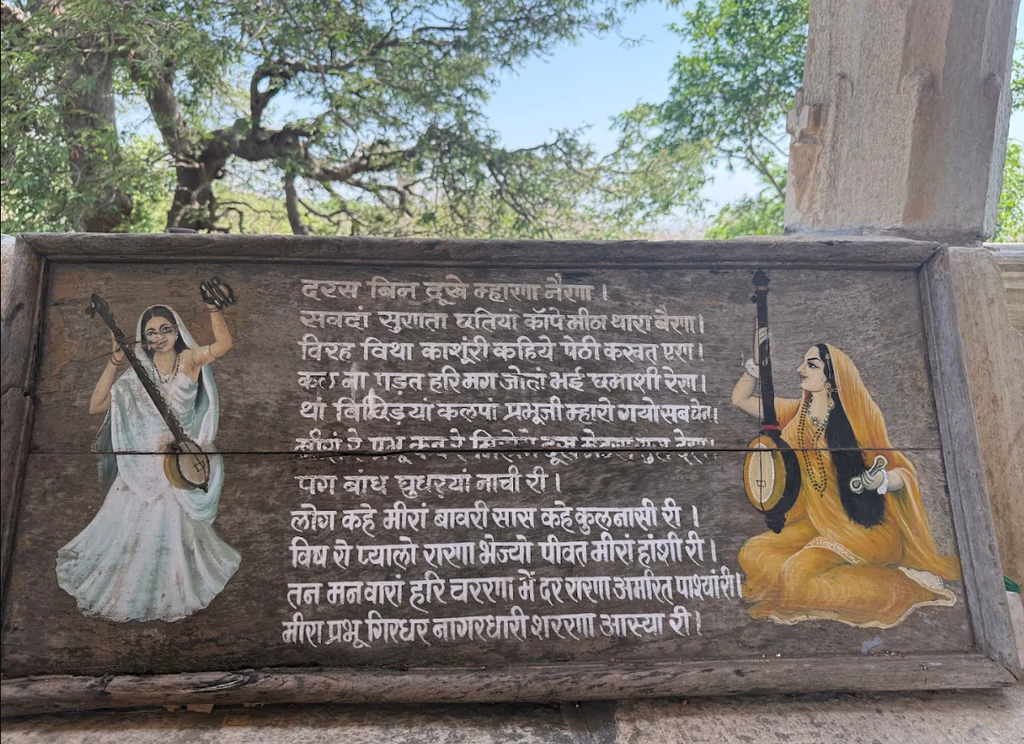
    Discover the profound spiritual heritage of Rajasthan at the Meera Temple in Chittorgarh, a unique pilgrimage site dedicated to the legendary Rajput princess and saint, Meera Bai. Revered for her unwavering devotion to Lord Krishna, Meera Bai’s legacy continues to inspire devotees and tourists alike.

    The Historical and Cultural Significance of Meera Temple in Chittorgarh

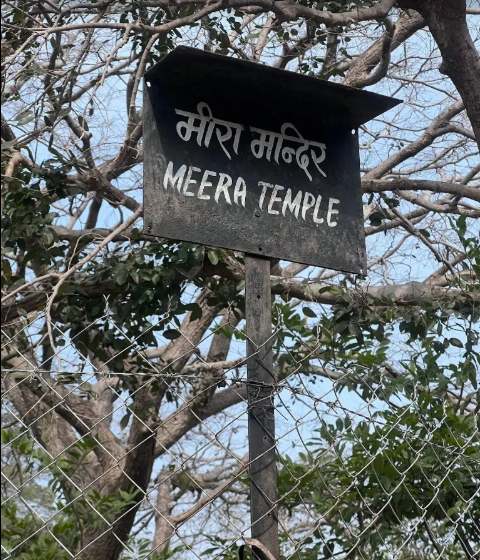
    Built in the 16th century under the reign of Rana Kumbha, the Meera Temple Chittorgarh stands as a remarkable example of Indo-Aryan architecture and Rajput heritage. This temple is distinctively dedicated to Meera Bai’s spiritual journey rather than just to Lord Krishna, highlighting her role as one of Rajasthan’s most beloved devotional figures.

    The temple features a unique carving symbolizing unity across caste and creed — five human bodies sharing a common head — reflecting Meera Bai’s inclusive philosophy and deep spirituality. It remains a vital pilgrimage destination for followers of Meera Bai’s bhajans and those interested in Rajasthan’s rich cultural tapestry.

    Visiting the Meera Bai Temple in Rajasthan

    Situated within the historic Chittorgarh Fort, the Meera Temple Rajasthan is easily accessible for travelers arriving by road, rail, or bus. Tourists are best advised to visit during cooler months, from October to March, to fully enjoy the serene atmosphere and explore the temple’s beautiful carvings and peaceful surroundings.

    Nearby attractions include other famous sites within Chittorgarh Fort, such as Vijay Stambh and Kirti Stambh, making it a perfect cultural excursion for history and spirituality enthusiasts.

    Why the Meera Temple in Chittorgarh is a Must-Visit Destination

    • Unique dedication to Meera Bai, a symbol of devotional love and poetry
    • Architectural and historical significance as part of the Chittorgarh Fort complex
    • A place of spiritual inspiration through Meera Bai’s timeless bhajans and teachings
    • Ideal spot for cultural tourism in Rajasthan with rich legends of Rajput valor

    Conclusion

    The Meera Temple in Chittorgarh not only honors the life of one of India’s greatest saints but also invites visitors into a world of history, culture, and spiritual depth. Whether you are a pilgrim seeking divine inspiration or a traveler exploring Rajasthan’s heritage, the Meera Temple offers an unforgettable experience steeped in love and devotion.